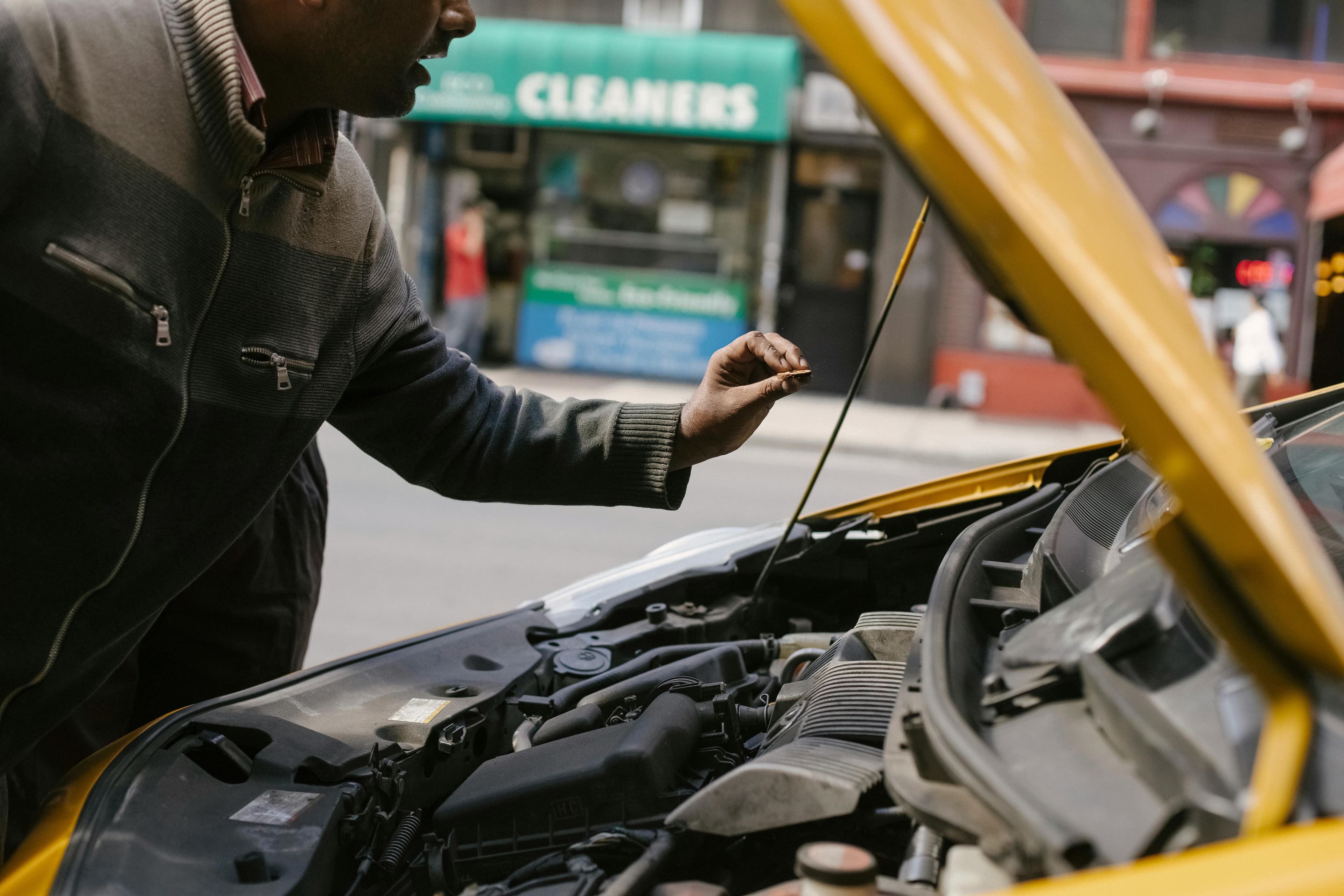
Understanding 10 Common OBD Codes
When your vehicle's check engine light turns on, it's a clear sign that something is not right. However, without the right tools and knowledge, pinpointing the exact issue can be challenging. This is where On-Board Diagnostics (OBD) codes come into play. These codes are your car's way of telling you what's wrong. In this article, we'll explore 10 common OBD codes and what they mean for your vehicle.
What Are OBD Codes?
OBD codes, also known as diagnostic trouble codes (DTCs), are standardized codes that your vehicle's onboard computer system uses to notify you of specific issues. These codes can be read with an OBD-II scanner, a tool that can be purchased or sometimes borrowed from auto parts stores.
10 Common OBD Codes Explained
1. P0300 - Random/Multiple Cylinder Misfire Detected
This code indicates that multiple engine cylinders are misfiring, affecting the engine's performance. Causes can range from faulty spark plugs to a clogged fuel injector.
2. P0171 - System Too Lean (Bank 1)
This code means that the air-to-fuel ratio in the engine is too lean, or there's too much air and not enough fuel. It could be due to a vacuum leak, faulty fuel injector, or a weak fuel pump.
3. P0420 - Catalyst System Efficiency Below Threshold (Bank 1)
The P0420 code suggests that the efficiency of the catalytic converter is below the required threshold. This could be a sign of a failing catalytic converter or an issue with the oxygen sensors.
4. P0174 - System Too Lean (Bank 2)
Similar to P0171, this code indicates a lean condition, but on the opposite side (Bank 2) of the engine. The causes and fixes are similar to those for P0171.
5. P0128 - Coolant Thermostat (Coolant Temperature Below Thermostat Regulating Temperature)
This code often means the engine's coolant is not reaching the required temperature for optimal operation, possibly due to a faulty thermostat or a low coolant level.
6. P0442 - Evaporative Emission System Leak Detected (small leak)
A P0442 code indicates a small leak in the evaporative emission system, which can lead to fuel vapors escaping into the atmosphere. Common causes include loose gas caps or damaged EVAP hoses.
7. P0455 - Evaporative Emission System Leak Detected (gross leak)
This is similar to P0442 but indicates a larger leak. It's often caused by a faulty gas cap, but it can also be due to cracks in the EVAP system hoses or components.
8. P0138 - O2 Sensor Circuit High Voltage (Bank 1, Sensor 2)
This code suggests that the oxygen sensor after the catalytic converter is sending a signal that is too high, indicating an issue with the sensor or possibly an exhaust leak affecting the sensor's readings.
9. P0301 - Cylinder 1 Misfire Detected
P0301 indicates that the first cylinder is misfiring. This can lead to reduced engine power and fuel efficiency. Causes can include a bad spark plug, faulty ignition coil, or a clogged fuel injector.
10. P0340 - Camshaft Position Sensor Circuit Malfunction
This code means there's an issue with the camshaft position sensor's signal, affecting the engine's timing and performance. It could be due to a faulty sensor, wiring issues, or a timing belt problem.
What to Do Next
If you encounter any of these OBD codes, it's important to address the issue as soon as possible to avoid further damage to your vehicle. For minor issues like a loose gas cap, you might be able to fix the problem yourself. However, for more complex issues, it's advisable to consult with a professional mechanic who can diagnose and repair the problem accurately.
Remember, these codes are a starting point for diagnosis. A thorough inspection and testing are often required to pinpoint the exact cause of the problem. By understanding what these common OBD codes mean, you can communicate more effectively with your mechanic and make informed decisions about your vehicle's maintenance and repair.