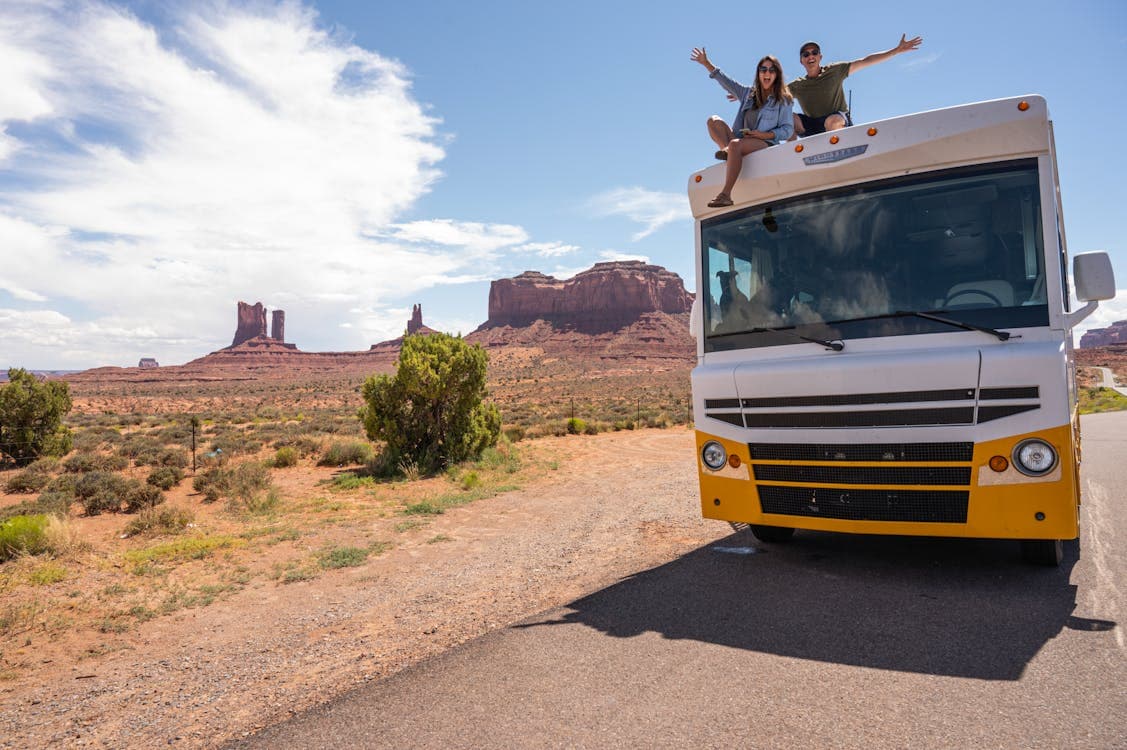
Planning the Ultimate Cross-Country RV Road Trip
Embarking on a cross-country RV road trip is an exhilarating way to explore vast landscapes, diverse cultures, and unforgettable landmarks. Whether you're a seasoned RV traveler or a first-timer, planning is crucial to ensure a smooth and enjoyable journey. Here’s a comprehensive guide to help you plan the ultimate RV adventure across the United States.
1. Choosing the Right RV
Selecting the appropriate RV for your trip is foundational. Consider the size, amenities, fuel efficiency, and comfort. Options range from Class A motorhomes to more compact Class C models and travel trailers. Renting an RV is also a viable option if you don't own one.
Examples:
- Class A Motorhomes: Best for large families or long trips due to their spaciousness.
- Class B Campervans: Ideal for couples or small families; easier to maneuver.
- Travel Trailers: Offers flexibility as you can detach the trailer at your destination and use the towing vehicle separately.
2. Planning Your Route
Mapping out your route is essential to maximize the sights and experiences along the way. Decide on key stops and attractions, consider the best seasons to travel, and be aware of any road restrictions for RVs.
Popular Routes:
- Route 66: Experience America’s historic highway from Chicago to Santa Monica.
- Pacific Coast Highway: Enjoy stunning ocean views from Washington to California.
- The Great Northern: Explore the northern states across US Route 2.
3. Making Campground Reservations
Book campgrounds in advance, especially in popular destinations or during peak travel seasons. National parks, RV resorts, and private campgrounds offer different amenities and experiences.
Recommended Campgrounds:
- Yellowstone National Park: Offers full RV hook-ups and is an ideal spot for nature lovers.
- Disney’s Fort Wilderness Resort: Perfect for families visiting Disney World.
- Space Coast RV Resort: Great for a beachside getaway in Florida.
4. Packing Essentials
Packing effectively can make a significant difference in your comfort and convenience. Essentials include kitchen supplies, clothing, emergency kits, and entertainment.
Packing List:
- Kitchen Supplies: Portable grill, utensils, cookware, and food storage containers.
- Clothing: Weather-appropriate attire, hiking boots, swimwear, and hats.
- Emergency Kit: First aid kit, flashlight, batteries, and basic repair tools.
5. Staying Connected
While the idea of disconnecting sounds appealing, staying connected is practical for safety and navigation. Consider a Wi-Fi booster, satellite radio, and GPS system for your RV.
Connectivity Tips:
- Wi-Fi Booster: Enhances internet reception in remote areas.
- Offline Maps: Download maps for offline use in case of no signal.
6. Safety and Maintenance
Ensure your RV is in top condition with regular checks on brakes, tires, and engine. Also, familiarize yourself with RV-specific driving tips and local traffic laws.
Maintenance Checklist:
- Pre-Trip Inspection: Check tire pressure, fluid levels, and lights.
- Safety Gear: Have reflective vests, cones, and an up-to-date fire extinguisher.
7. Enjoying the Journey
Finally, while it’s important to have a plan, the beauty of an RV road trip lies in its flexibility. Take detours, explore small towns, and make spontaneous stops to fully embrace the road-trip spirit.
Fun Activities:
- Scenic Picnics: Stop at viewpoints for meals with a view.
- Hiking and Biking: Explore trails that are off the beaten path.
Embarking on a cross-country RV road trip is an adventure of a lifetime. With the right preparation and mindset, you can create unforgettable memories while exploring the diverse landscapes of the United States. Remember, the journey is as significant as the destination!
For more personalized advice or specific questions, connect with a human expert or chat with Mavyn GPT at our company, Mavyn, where we offer both AI and human expert help services.