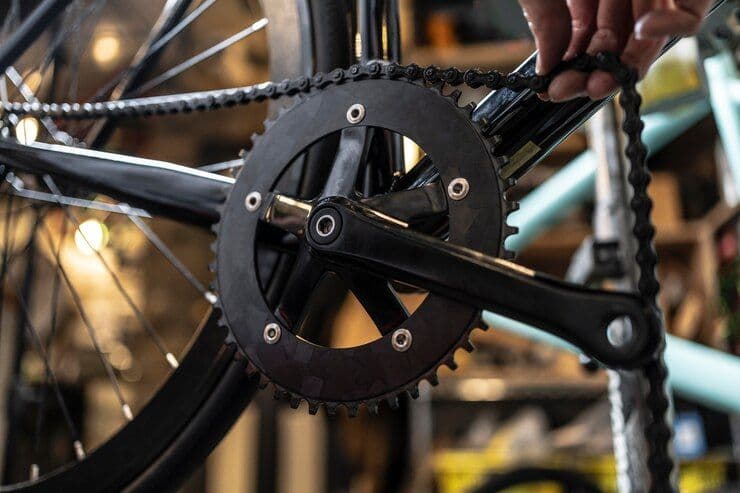
The Ultimate Guide to DIY Bike Maintenance - From Cleaning to Gear Adjustment
Maintaining your bike not only ensures a smoother ride but also prolongs the life of your bike. Whether you're a seasoned cyclist or a casual rider, knowing how to perform basic maintenance tasks can save you time and money. This guide will walk you through the essential steps of DIY bike maintenance, from cleaning to gear adjustment.
Cleaning Your Bike
What You'll Need:
- Bucket of soapy water
- Sponge or soft brush
- Degreaser for the drivetrain
- Hose or bucket of clean water
- Clean rags
- Bike stand (optional but helpful)
Steps:
- Prep Your Bike: Place your bike on a stand or flip it upside down, resting it on the handlebars and seat.
- Rinse: Gently rinse your bike with a hose or a bucket of water to remove loose dirt.
- Clean the Frame: Use a sponge or soft brush with soapy water to clean the frame. Be gentle around decals and graphics.
- Degrease the Drivetrain: Apply degreaser to the chain, cassette, and derailleurs. Use a brush to scrub them clean.
- Rinse and Dry: Rinse your bike with clean water and dry it with clean rags.
Lubricating Your Bike
What You'll Need:
- Bike-specific lubricant
- Clean rag
Steps:
- Apply Lubricant: Apply lubricant sparingly to the chain while slowly rotating the pedals backward. Also, apply to other moving parts like derailleurs and pivot points.
- Wipe Off Excess: Use a clean rag to wipe off any excess lubricant. Excess lubricant can attract dirt.
Adjusting Your Gears
What You'll Need:
- Screwdriver (usually Phillips)
- Bike stand (recommended)
Steps:
- Identify the Problem: Common gear issues include skipping, difficulty shifting, or noise. Determine which gear(s) are problematic.
- Adjust the Limit Screws: The limit screws on the rear derailleur control how far the derailleur moves. If the chain is falling off the cassette, adjust these screws.
- L Screw: Controls the lowest gear (largest cog). If the chain is falling off towards the spokes, tighten the L screw.
- H Screw: Controls the highest gear (smallest cog). If the chain is falling off away from the bike, tighten the H screw.
- Adjust the Cable Tension: If shifting is sluggish, the cable tension may need adjustment. Turn the barrel adjuster on the derailleur or shifter. Clockwise turns will tighten the tension, improving upshifts. Counter-clockwise turns will loosen it, improving downshifts.
Checking and Adjusting Brakes
What You'll Need:
- Allen keys or wrenches
- Screwdriver
Steps:
- Inspect Brake Pads: Check for wear and ensure they align with the rim or rotor.
- Adjust Pad Position: Loosen the bolt holding the brake pad, adjust its position so it hits the center of the rim or rotor, and retighten.
- Adjust Cable Tension: If the brake lever pulls too close to the handlebar, increase tension by turning the barrel adjuster counter-clockwise.
Conclusion
Regular maintenance is key to ensuring your bike performs well and lasts longer. By following these simple steps, you can keep your bike in top condition and enjoy smoother, safer rides. Remember, if you encounter any issues that seem beyond basic maintenance, it's always best to consult a professional mechanic. Happy cycling!