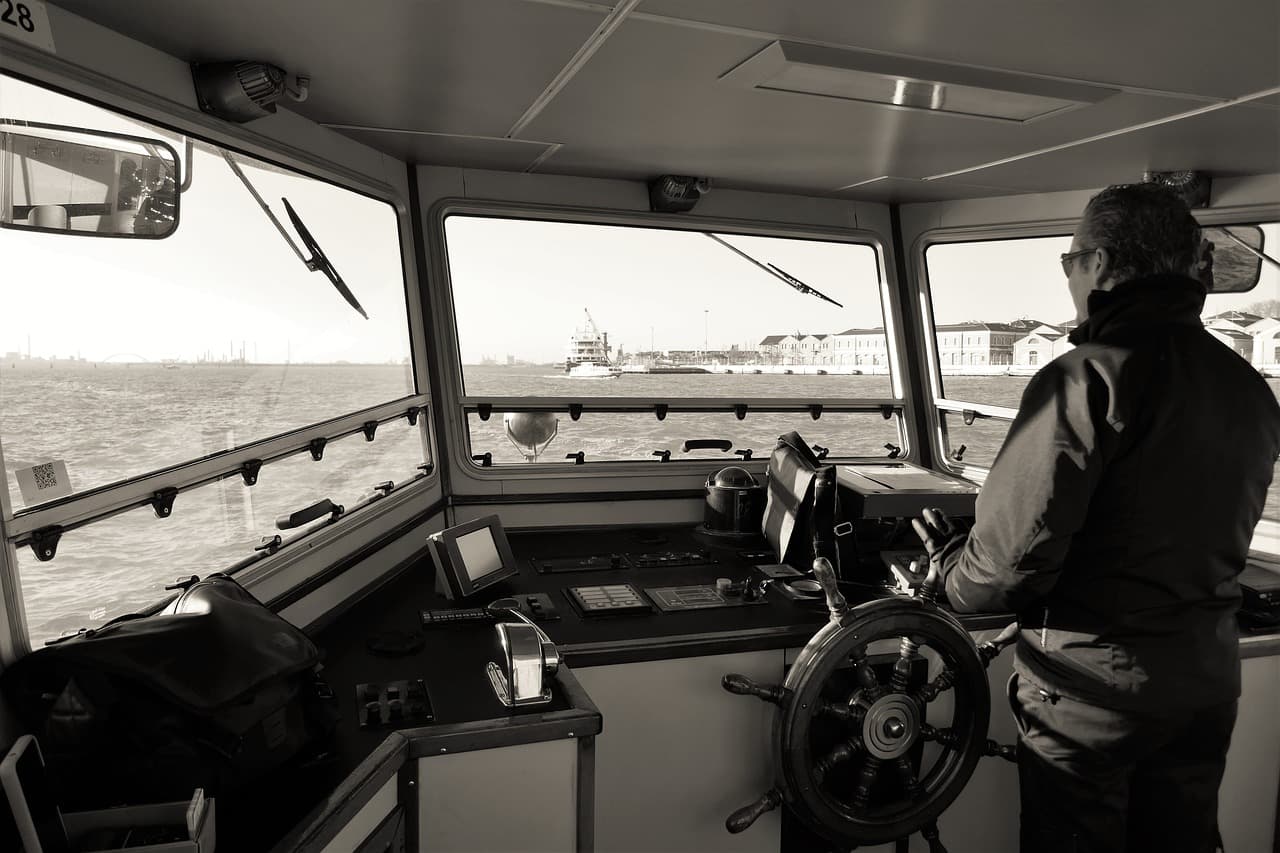
Top 10 Boating Safety Tips Every Captain Should Know
Boating is an exhilarating experience, offering the perfect blend of adventure and tranquility. However, safety should always be a priority. Whether you're a seasoned captain or a novice boater, adhering to essential safety practices is crucial for protecting yourself and your passengers. Here are the top 10 boating safety tips every captain should know:
1. Wear Life Jackets
Always ensure that everyone on board wears a life jacket. According to the U.S. Coast Guard, the majority of drowning incidents involve individuals not wearing life jackets. Choose life jackets that fit properly and are appropriate for the water activities you plan to engage in.
2. Check Weather Conditions
Before setting sail, check the local weather conditions. Be aware of weather updates and avoid boating during adverse conditions. Apps and websites like NOAA provide real-time weather updates that are crucial for safe boating.
3. Follow a Pre-Departure Checklist
Prepare a pre-departure checklist to ensure nothing is overlooked. This should include checking fuel levels, battery charge, lights, and ensuring all safety equipment is on board and functional.
4. Use Common Sense
Practice common sense on the water. This includes operating at a safe speed, staying alert, and being respectful of buoys and other navigational aids. These aids are there to ensure your safety and must be adhered to at all times.
5. Develop a Float Plan
Inform someone ashore of your float plan, which includes details like your destination, how long you intend to be gone, and general information about your boat. This information is vital in case of an emergency.
6. Take a Boating Course
No matter your experience level, taking a boating safety course is beneficial. These courses cover essential topics such as boating laws, safety equipment usage, and emergency procedures.
7. Avoid Alcohol
Operating a boat while under the influence of alcohol is not only illegal but also extremely dangerous. Alcohol impairs judgment, balance, and coordination, which are essential for operating a boat safely.
8. Equip and Maintain Your Boat
Ensure your boat is equipped with necessary safety equipment, such as fire extinguishers, a first-aid kit, and distress signals. Regular maintenance checks are crucial to ensure everything is in working order.
9. Know How to Swim
Knowing how to swim is an essential safety skill for anyone participating in water activities. If you aren't a strong swimmer, consider taking swimming lessons.
10. Use Engine Cut-Off Devices
An engine cut-off device is a safety tool that automatically stops the boat's engine if the driver is displaced from the helm. This can prevent accidents and injuries.
By following these top 10 boating safety tips, captains can ensure a safer boating experience for themselves and their passengers. Remember, safety on the water is not just a practice but a responsibility.
For more detailed guidance or specific queries related to boating safety, connect with a human expert or chat with Mavyn GPT at Mavyn, where we offer both AI and human expert help services to answer all your questions.