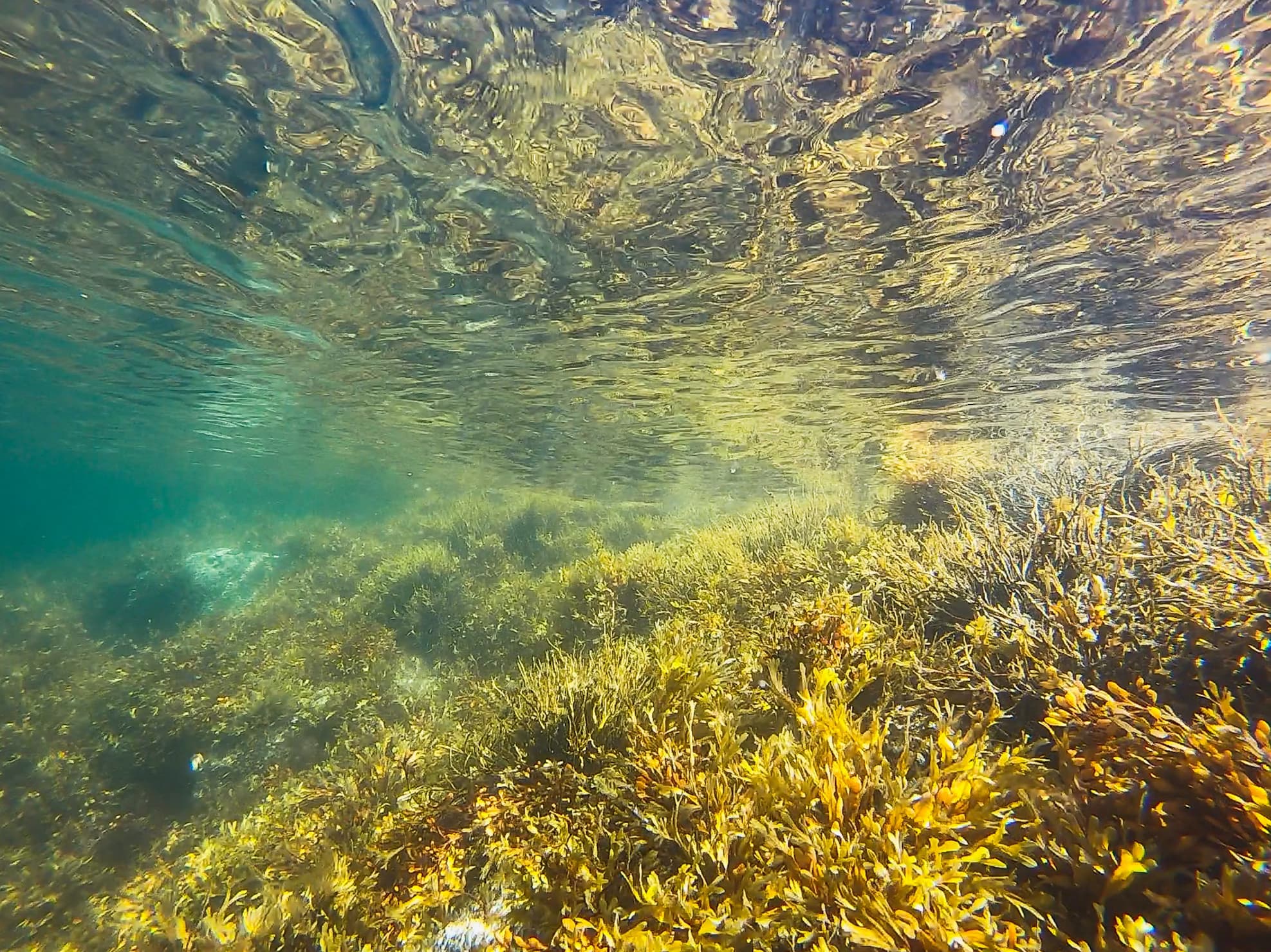
The Vital Role of Algae in Marine Ecosystems and Human Industry
Algae, often overlooked as mere pond scum or oceanic plants, play a crucial role in both marine ecosystems and human industries. These simple organisms are not only foundational to aquatic food webs but also offer promising solutions to some of today's most pressing environmental challenges. In this article, we'll delve into the multifaceted roles of algae and how they benefit both the environment and various industrial sectors.
Shop Boat Trailer Parts & Accessories Now
1. Algae in Marine Ecosystems
Oxygen Production
Algae, including both microalgae (like phytoplankton) and macroalgae (such as seaweeds), are significant producers of oxygen. Through photosynthesis, they contribute substantially to the oxygen available in the Earth's atmosphere, much like terrestrial plants.
Foundation of Food Webs
Algae serve as the base of the food web in aquatic environments. They are primary producers, converting sunlight into energy and sustaining a diverse array of marine life, from tiny zooplankton to large marine mammals.
Nutrient Cycling
Algae play a critical role in nutrient cycling. They absorb nutrients from the water, which are then passed through the food chain when they are consumed by herbivorous species. This process helps maintain the balance of marine ecosystems.
2. Algae in Human Industry
Biofuel Production
Algae can be used to produce biofuels, offering a sustainable alternative to fossil fuels. Algal biofuel production does not compete with food crops for land resources and has a lower environmental footprint.
Bioplastics and Biopolymers
Researchers are exploring the use of algae in the production of bioplastics and biopolymers. These materials are biodegradable and can help reduce the reliance on petroleum-based plastics, thus mitigating plastic pollution.
Pharmaceuticals and Nutraceuticals
Algae are a source of bioactive compounds that are beneficial for health. They are used in the production of various pharmaceuticals and nutraceuticals, including antioxidants, vitamins, and supplements like omega-3 fatty acids.
Cosmetics and Skin Care
The antioxidant and moisturizing properties of algae make them popular ingredients in cosmetics and skincare products. Algae extracts are used in creams, lotions, and serums for their hydrating and anti-aging benefits.
Water Purification
Algae can help in water purification by absorbing pollutants and heavy metals from water bodies. This process, known as bioremediation, is an eco-friendly way to clean up polluted waterways.
3. Conclusion
Algae, with their extensive benefits and applications, are indispensable to both marine ecosystems and human industries. Their role in oxygen production, food web dynamics, and nutrient cycling underscores their ecological importance, while their applications in biofuels, bioplastics, pharmaceuticals, and more highlight their industrial value.
At Mavyn, we recognize the importance of understanding and leveraging natural resources like algae for sustainable development. Whether you're looking to explore more about algae's role in environmental science or seeking innovative ways to incorporate algae into your business, Mavyn's AI and human expert services can provide the insights and answers you need. Chat with Mavyn GPT or connect with a human expert today to dive deeper into the fascinating world of algae!