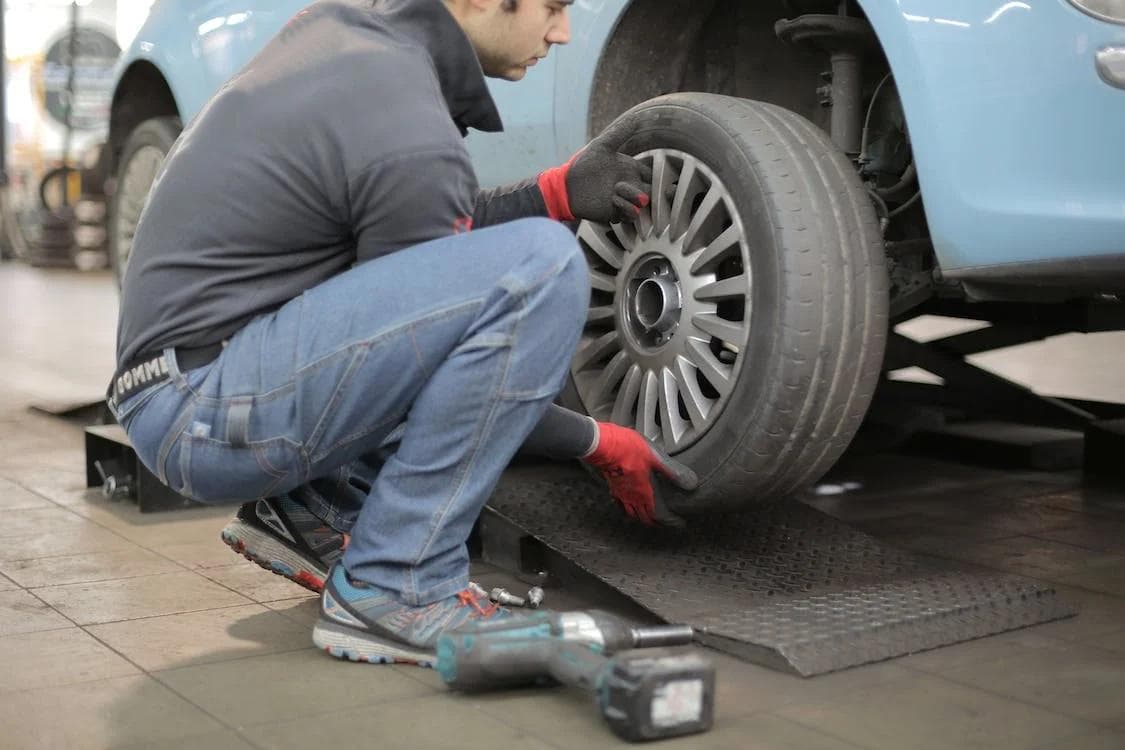
The Importance of Wheel Bearings and How to Service Them
Wheel bearings are a critical component in any vehicle. They allow the wheels to rotate smoothly and support the weight of the vehicle. But, despite their importance, they are often overlooked during routine vehicle maintenance. In this article, we will discuss the importance of wheel bearings and guide you through the process of servicing them.
What are Wheel Bearings?
Wheel bearings are sets of steel balls or tapered rollers held together by a metal ring, known as a race. They fit snugly inside the hub of each wheel and allow the wheels to spin while bearing the weight of the vehicle. These bearings are designed to last for a long time, but they can wear out over time due to factors like heat, water, and dirt exposure.
Why are Wheel Bearings Important?
Wheel bearings serve two crucial roles in the functioning of your vehicle:
-
Reducing Friction: As the wheels of your vehicle spin, they generate friction. Wheel bearings help to minimize this friction, allowing the wheels to turn smoothly and efficiently.
-
Supporting Vehicle Weight: Wheel bearings are engineered to shoulder your vehicle's load, ensuring the wheels can support the weight of your vehicle, passengers, and cargo.
How to Service Wheel Bearings
Servicing wheel bearings can be a complex task. However, with the right tools and a little patience, you can do it yourself. Here's a step-by-step guide:
Step 1: Gather Your Tools
- Wheel chocks
- Jack and jack stands
- Lug wrench
- Pliers
- Screwdrivers
- Hammer
- New wheel bearings
- High-temperature wheel bearing grease
- Rags for cleanup
Step 2: Prepare Your Vehicle
Place the wheel chocks around the wheels that aren't being lifted. Use your jack to lift the vehicle and then place jack stands underneath for safety.
Step 3: Remove the Wheel
Use your lug wrench to remove the lug nuts and then take the wheel off the vehicle.
Step 4: Remove the Wheel Hub
Use your pliers and screwdrivers to remove the dust cap, cotter pin, and castle nut. Afterward, you should be able to remove the wheel hub.
Step 5: Remove the Old Wheel Bearings
Remove the old wheel bearings carefully with your pliers. Be sure to clean the hub thoroughly before installing new bearings.
Step 6: Install New Bearings
Grease your new wheel bearings with high-temperature wheel bearing grease before installing them. Then, reassemble your wheel hub and wheel.
Step 7: Repeat for All Wheels
Repeat this process for all wheels that need new bearings.
Conclusion
Wheel bearings are a crucial part of your vehicle's operation. Regular servicing and replacement when necessary can prevent costly repairs and ensure a smoother and safer ride. While it can be a bit of a challenge, with the right tools and a little patience, you can service your wheel bearings yourself.