Exploring the History and Evolution of Riverboats
Riverboats have played a significant role in the development of transportation and commerce along waterways throughout history. From their humble beginnings to their modern-day counterparts, riverboats have evolved in design, purpose, and technology. In this article, we will explore the fascinating history and evolution of riverboats, highlighting key milestones and innovations.
The Origins of Riverboats
-
Ancient Beginnings:
- The earliest riverboats can be traced back to ancient civilizations, where simple wooden canoes and rafts were used for fishing, trade, and transportation.
- The Egyptians utilized reed boats on the Nile River, while the Chinese developed wooden boats for the Yangtze and Yellow Rivers.
-
Medieval Developments:
- During the Middle Ages, river transport became more organized, with the introduction of larger vessels capable of carrying goods and passengers.
- The use of sails and oars allowed for more efficient navigation on rivers.
The Rise of Steamboats
-
The Industrial Revolution:
- The late 18th and early 19th centuries marked a turning point in riverboat history with the advent of the steam engine.
- In 1807, Robert Fulton launched the first commercially successful steamboat, the Clermont, on the Hudson River, revolutionizing river travel.
-
Expansion and Popularity:
- Steamboats quickly became popular on major rivers like the Mississippi, Ohio, and Missouri, facilitating trade and travel.
- They were often lavishly decorated and provided amenities for passengers, making river travel a fashionable choice.
The Golden Age of Riverboats
-
Cultural Impact:
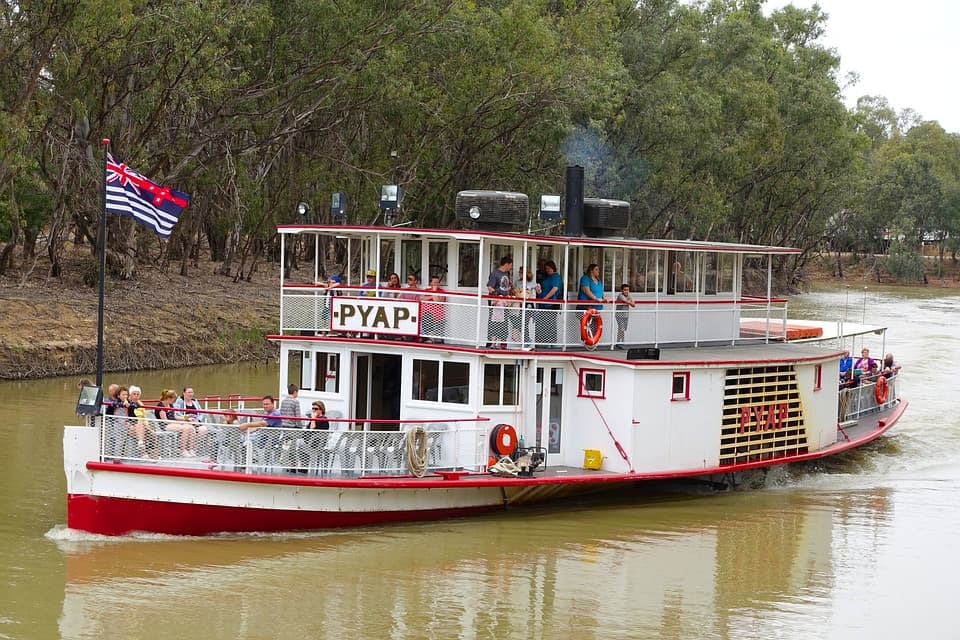
- The 19th century is often referred to as the "Golden Age of Riverboats," characterized by the iconic paddlewheelers.
- These boats became symbols of American culture, inspiring literature, music, and art.
-
Economic Significance:
- Riverboats played a crucial role in the economy, transporting goods such as cotton, tobacco, and lumber.
- They connected remote areas to larger markets, fostering economic growth in riverfront towns.
Modern Innovations in River Travel
-
Technological Advancements:
- Today, riverboats have evolved with modern technology, incorporating advanced navigation systems and eco-friendly engines.
- Luxury river cruises offer passengers a unique experience, combining comfort with scenic views.
-
Diverse Offerings:
- Modern riverboats cater to various interests, from sightseeing tours to themed cruises, such as wine or music cruises.
- They provide an opportunity for travelers to explore rivers in a way that is both relaxing and enriching.
Conclusion
The history and evolution of riverboats reflect the changing needs and desires of society. From ancient canoes to modern luxury vessels, riverboats have adapted to technological advancements and cultural shifts. As we continue to explore our waterways, riverboats remain a vital part of our transportation heritage, offering unique experiences for travelers and preserving the rich history of river travel.
Whether you're interested in the historical significance or the modern-day experiences riverboats offer, Mavyn is here to help. If you have questions about river travel or need expert advice, feel free to chat with Mavyn GPT or connect with a human expert for personalized assistance.
Explore the world of riverboats and embark on your next adventure today!