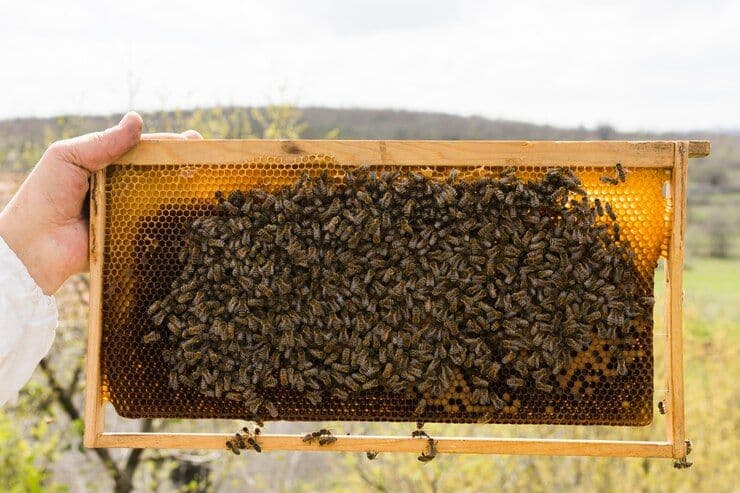
Sustainable Honey Harvesting Techniques
Beekeeping is an ancient practice that has evolved over centuries, but the essence of harvesting honey in a way that ensures the health and sustainability of bee populations has gained significant attention in recent years. With the decline of bee populations worldwide, it's more important than ever to adopt innovative and sustainable honey harvesting techniques. This article explores various methods that are both bee-friendly and efficient, ensuring a harmonious balance between beekeeping and environmental conservation.
1. Flow Hive Technology
One of the most revolutionary advancements in beekeeping is the Flow Hive. This innovative system allows beekeepers to harvest honey without disturbing the bees. The Flow Hive features a unique frame design that, when activated, allows honey to flow out of the hive directly into jars, eliminating the need for traditional extraction processes. This method not only reduces stress on the bees but also significantly decreases the labor and time involved in honey harvesting.
Benefits:
- Minimizes disturbance to the bees
- Simplifies the harvesting process
- Reduces the risk of beekeeper stings
2. Minimal Intervention Harvesting
Adopting a minimal intervention approach means harvesting honey in a way that closely mimics natural bee behavior. This technique involves waiting for the bees to cap the cells of honey before any harvesting begins, ensuring that the honey is ripe and ready. Additionally, beekeepers only take the surplus honey, leaving enough stores for the bees to survive the winter.
Benefits:
- Ensures the health and well-being of the bee colony
- Produces high-quality, mature honey
- Encourages natural bee behavior and development
3. Bee-Friendly Comb Management
Comb management is crucial in sustainable beekeeping. Using foundationless frames allows bees to build their comb naturally, which can lead to healthier bees and better-quality honey. Moreover, practicing careful comb rotation and renewal can prevent diseases and reduce the need for chemical treatments.
Benefits:
- Promotes natural comb building
- Helps maintain a healthy bee colony
- Reduces chemical intervention
4. Ethical Queen Rearing
Sustainable beekeeping also involves ethical queen rearing practices. By selecting and breeding queens from strong, disease-resistant colonies, beekeepers can ensure the longevity and health of their hives. This practice also supports genetic diversity, which is crucial for the resilience of bee populations.
Benefits:
- Enhances colony health and productivity
- Supports genetic diversity
- Reduces susceptibility to diseases and pests
5. Integrated Pest Management (IPM)
Integrated Pest Management (IPM) is a holistic approach to pest control that minimizes the use of chemicals. By using natural predators, mechanical barriers, and selective breeding, beekeepers can manage pest populations without harming the bees or the environment.
Benefits:
- Reduces chemical use in beekeeping
- Promotes a healthier environment for bees
- Encourages the use of natural pest control methods
Conclusion
Innovative and sustainable honey harvesting techniques are essential for the future of beekeeping. By adopting methods that prioritize the health and well-being of bees, beekeepers can ensure the longevity of their colonies and contribute to the global effort to protect these vital pollinators. Whether you're a seasoned beekeeper or a newcomer to the practice, embracing these sustainable practices can make a significant difference in the health of your bees and the quality of your honey.