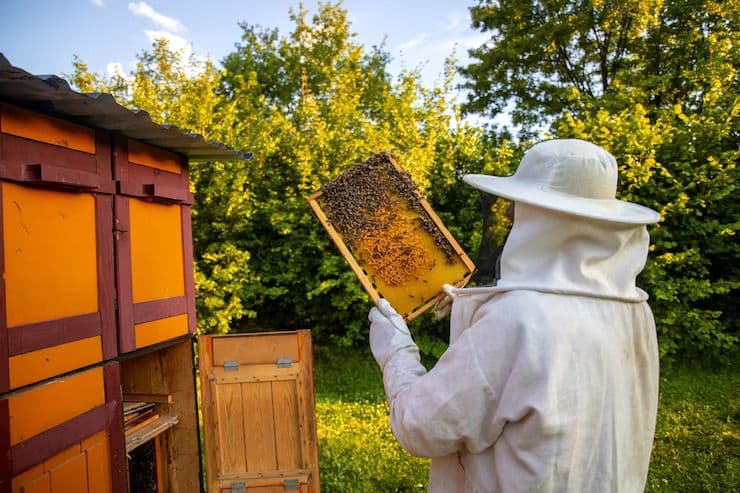
Sustainable Beekeeping: A Beginner's Guide
Beekeeping is not just a rewarding hobby; it's a crucial contribution to our ecosystem. Bees play a vital role in pollination, supporting the growth of trees, flowers, and other plants, which serve as food and shelter for creatures large and small. However, with the decline in bee populations due to pesticides, habitat loss, and climate change, it's more important than ever to approach beekeeping with sustainability in mind. Here's how you can make a difference.
1. Choose the Right Location
Consideration for the Environment:
- Sunlight and Shade: Bees thrive in environments that receive morning sunlight and afternoon shade. This helps regulate the temperature of the hive, keeping it warm in the morning and preventing it from overheating in the afternoon.
- Water Source: Ensure there's a clean, reliable water source nearby. Bees need water for cooling the hive and diluting honey. A shallow water source with landing spots, like stones or floating plants, is ideal to prevent drowning.
2. Natural Hive Materials
Sustainability in Construction:
- Opt for hives made from sustainable, untreated wood. This not only reduces chemical exposure but also supports sustainable forestry practices.
- Avoid using paints or finishes that could harm the bees. If you must paint your hive, choose natural, non-toxic options.
3. Organic Practices
Chemical-Free Beekeeping:
- Resist the urge to use chemical pesticides or treatments in or around your hives. These can harm bees and contaminate their honey.
- Explore natural pest control methods, such as introducing beneficial insects that prey on common hive pests or using essential oils with pest-repellent properties.
4. Support Local Ecosystems
Plant Bee-Friendly Flora:
- Plant a variety of native flowers, shrubs, and trees around your beekeeping site. These provide essential nutrition for your bees and support local biodiversity.
- Consider the bloom times of different plants to ensure a consistent food source for the bees throughout their active months.
Shop Bee Keeper Starting Kit Now
5. Ethical Honey Harvesting
Responsible Production:
- Only harvest surplus honey, leaving enough for the bees to sustain themselves, especially during winter.
- Use gentle methods to extract honey, minimizing stress and harm to the bees.
6. Educate and Advocate
Spread the Word:
- Share your knowledge and experiences with others. Educating your community about the importance of bees and sustainable beekeeping can inspire more people to take action.
- Advocate for policies and practices that support bee populations, such as limiting pesticide use and protecting natural habitats.
7. Continuous Learning
Stay Informed:
- Beekeeping practices and environmental conditions are constantly changing. Stay informed about the latest research and sustainable beekeeping methods to ensure you're doing the best for your bees and the environment.
Conclusion
Sustainable beekeeping is more than a hobby; it's a commitment to protecting our environment and supporting the vital role bees play in our ecosystem. By adopting sustainable practices, you're not only ensuring a healthier, more productive hive but also contributing to the global effort to save our bees. Remember, every small action counts in the grand scheme of environmental conservation. Happy beekeeping!