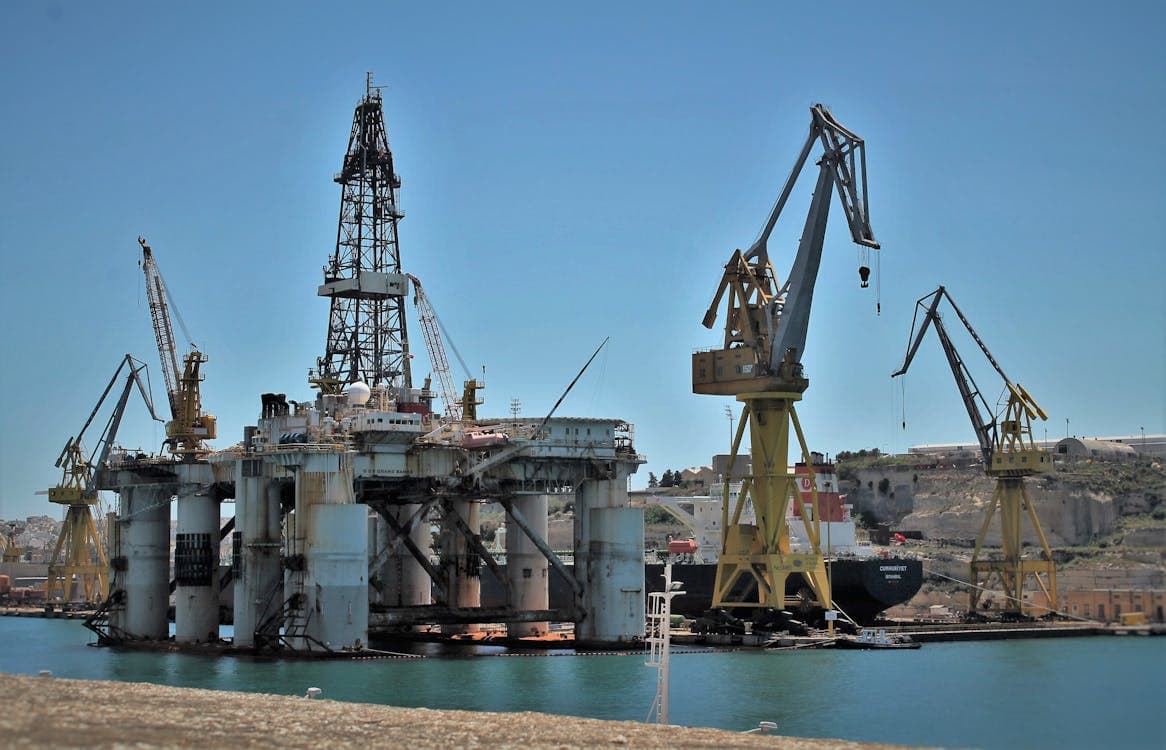
Shipbuilding Techniques: Traditional and Modern Methods
Shipbuilding is a complex and intricate process that has evolved significantly over the centuries. From ancient times, when the first rafts were assembled, to the modern era of high-tech maritime vessels, the techniques and technologies used in ship construction have seen tremendous changes. In this article, we'll delve into both traditional and modern shipbuilding methods, highlighting their characteristics, advantages, and applications.
Shop Boat Docking & Anchoring Equipment Now
Traditional Shipbuilding Techniques
Traditional shipbuilding is characterized by manual methods and the use of natural materials, primarily wood. These techniques have been refined over millennia and rely heavily on the skilled craftsmanship of the builders.
Key Features:
- Material: Wood is the primary material, known for its buoyancy and ease of carving.
- Tools: Basic hand tools like axes, adzes, and saws are predominantly used.
- Construction: Ships are generally built from the keel up, with planks joined edge to edge.
Examples:
- Clinker Building (Lapstrake): A method where wooden planks overlap each other. Viking longships were famously built using this technique.
- Carvel Building: In contrast to clinker building, carvel construction involves laying planks edge to edge, creating a smooth hull surface. This method was popular in Mediterranean maritime cultures.
Advantages:
- Sustainability: Uses natural and biodegradable materials.
- Craftsmanship: Each ship is unique, reflecting the artisan's skills.
- Repairability: Easier to repair using locally sourced materials and simple tools.
Shop Boat Trailer Parts & Accessories Now
Modern Shipbuilding Techniques
Modern shipbuilding incorporates advanced materials and technologies, focusing on efficiency, durability, and scalability. These methods are suited to producing large metal ships like cargo carriers, tankers, and passenger ships.
Key Features:
- Material: Steel and aluminum are predominant, offering strength and durability.
- Tools: High-tech machinery such as plasma cutters and automated welding systems.
- Construction: Modular construction, where sections of the ship are pre-built and then assembled.
Examples:
- Block Construction: Ships are built in large blocks or modules, which are then welded together. This technique significantly speeds up the construction process.
- Computer-Aided Design (CAD): Modern shipbuilding heavily relies on CAD software to create precise designs and virtual simulations.
Advantages:
- Efficiency: Faster construction and lower manual labor requirements.
- Precision: High accuracy in design and construction, reducing errors.
- Scalability: Ability to build larger ships that are capable of carrying more cargo or passengers.
Conclusion
The choice between traditional and modern shipbuilding techniques largely depends on the type of vessel needed, the budget, and the desired lifespan of the ship. While traditional methods celebrate heritage and craftsmanship, modern techniques offer efficiency and precision. Understanding these methods provides a deeper appreciation of the maritime industry and its evolution.
At Mavyn, whether you're looking to explore more about shipbuilding or need expert advice on a related topic, our AI and human experts are here to assist. Chat with Mavyn GPT or connect with a human expert to dive deeper into the fascinating world of ship construction.