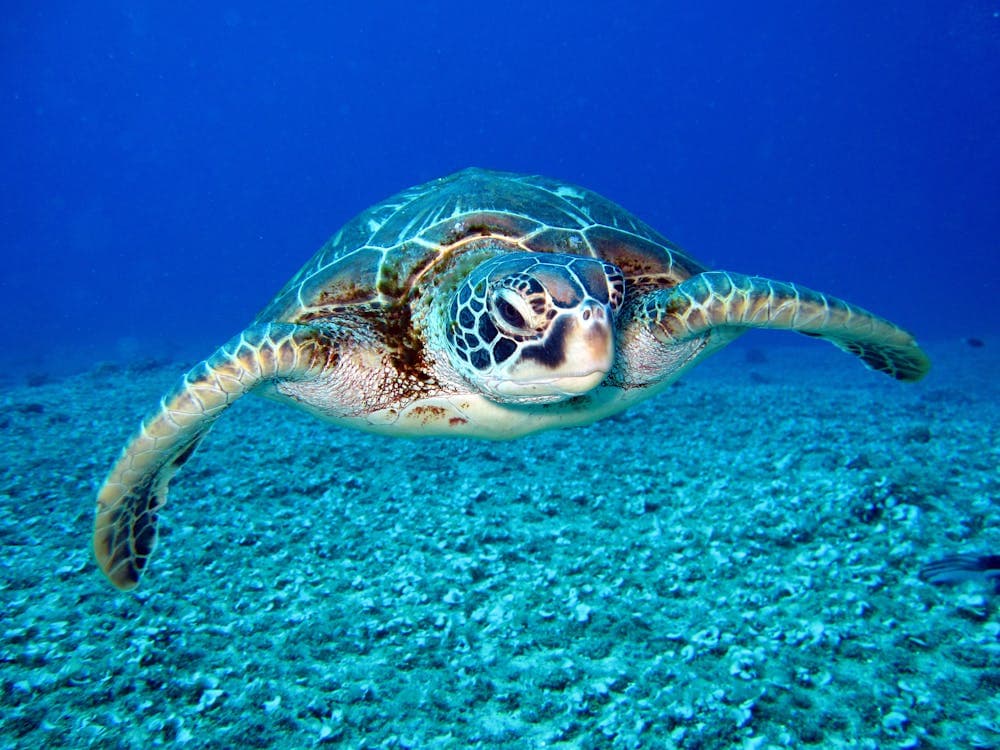
The Secret Lives of Sea Turtles: Migration and Conservation
Sea turtles are among the most fascinating marine creatures, known for their extensive migrations and the critical role they play in marine ecosystems. Understanding their migration patterns and the efforts needed to conserve them is essential for their survival. In this article, we delve into the mysterious world of sea turtles, exploring their migration habits and the conservation strategies that are vital for their future.
Understanding Sea Turtle Migration
Sea turtles are renowned for their impressive migratory journeys, which can span thousands of miles. Their migration is primarily driven by feeding and breeding needs. Here’s a closer look at these patterns:
Types of Sea Turtle Migration
-
Nesting Migration:
- Female sea turtles return to the beaches where they were born to lay their eggs. This homing behavior ensures the continuation of their lineage.
- Example: Loggerhead turtles travel from coastal feeding grounds in North Carolina to nesting beaches in Florida.
-
Developmental Migration:
- After hatching, young sea turtles often migrate to different feeding grounds where they will grow until maturity.
- Example: Green sea turtles hatch in Florida and migrate across the Atlantic to the rich feeding grounds of the Sargasso Sea.
-
Seasonal Migration:
- Adult sea turtles may migrate to warmer waters during colder months.
- Example: Leatherback turtles migrate from tropical nesting sites to temperate feeding areas in the North Atlantic.
Tracking Technologies
To study these migration patterns, researchers use various tracking technologies:
- Satellite Tags: Attached to a turtle’s shell, these provide real-time location data.
- Flipper Tags: Metal or plastic tags that help in identifying individual turtles when they are sighted or captured.
Conservation Efforts for Sea Turtles
Conservation of sea turtles is critical due to threats like habitat loss, pollution, and illegal trade. Here are some key conservation strategies:
Protection of Nesting Beaches
- Beach Management: Restricting access to nesting beaches during the nesting season and controlling artificial lighting that can disorient hatchlings.
- Nest Monitoring: Programs like the Sea Turtle Conservancy’s Turtle Watch involve volunteers in monitoring nests and shielding hatchlings from predators.
Shop Boat Steering Equipment Now
Marine Protected Areas (MPAs)
- MPAs ensure safe feeding and breeding grounds by restricting fishing activities and other commercial operations that can harm sea turtles.
Public Education and Awareness
- Educating the public about the importance of sea turtles to marine ecosystems and how to help protect them.
- Example: Programs that teach boaters how to avoid striking sea turtles.
Rehabilitation and Rescue Centers
- Facilities that treat injured sea turtles and release them back into the wild.
- Example: The Loggerhead Marinelife Center in Florida rehabilitates over 100 sea turtles each year.
Conclusion
The migration of sea turtles is a remarkable natural phenomenon that plays a crucial role in the health of marine ecosystems. By understanding and supporting conservation efforts, we can ensure that future generations will also be able to witness the incredible journey of these ancient mariners.
For those interested in learning more about sea turtles or seeking expert advice on marine conservation, Mavyn offers both AI and human expert services. Whether you choose to interact with Mavyn GPT or connect with a human expert, you can get detailed, personalized answers to your questions about sea turtles and their conservation.
Remember, every small action counts in the fight to protect these magnificent creatures and their habitats.