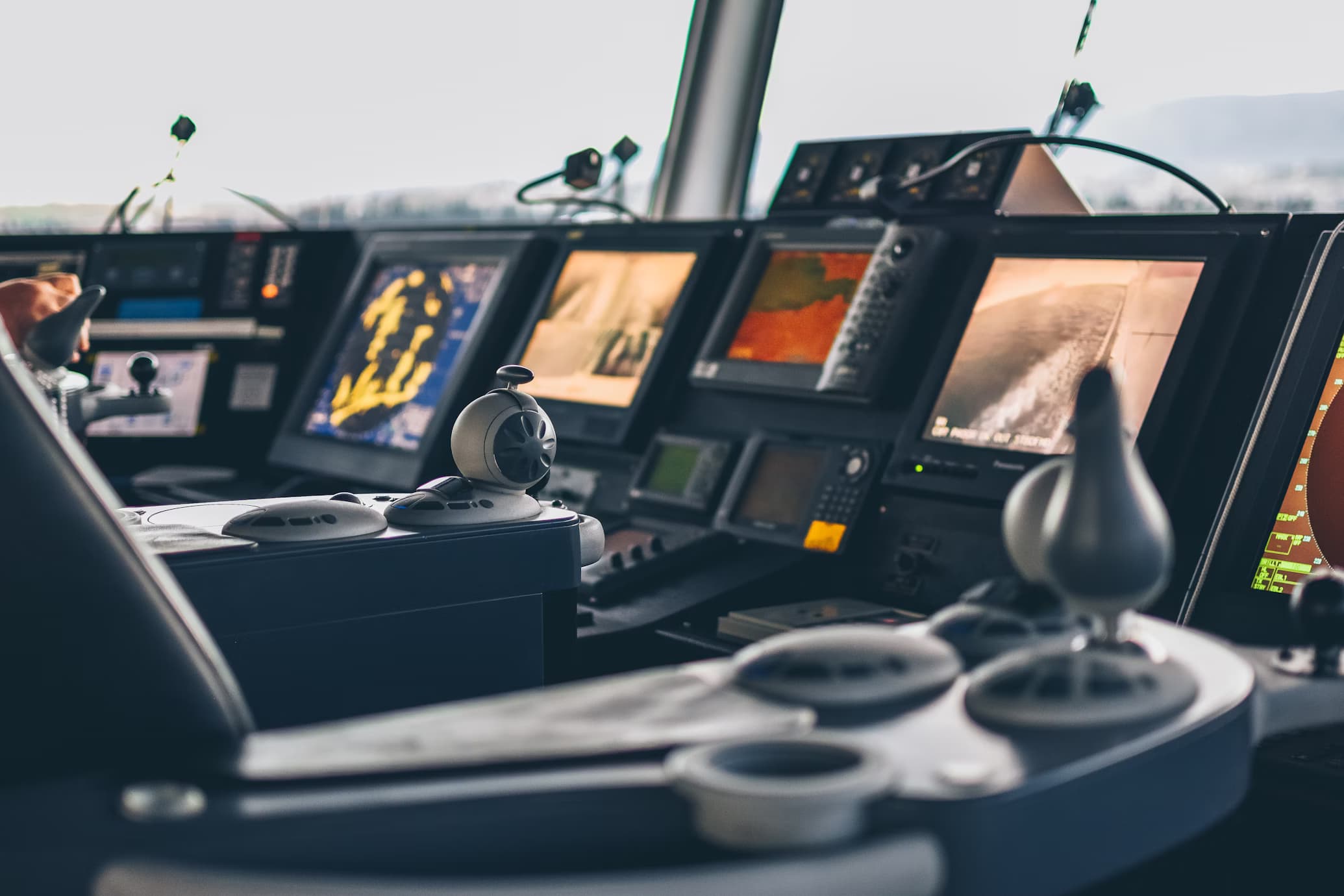
Revolutionizing Maritime Navigation with Modern Technologies
The maritime industry, one of the oldest sectors of the global economy, is undergoing a significant transformation thanks to modern technologies. These advancements are not only enhancing the safety and efficiency of maritime navigation but are also setting new standards in environmental responsibility and operational management. In this article, we'll explore some of the key technologies that are charting a new course for maritime navigation.
Shop Marine Safety & Flotation Devices Now
1. Artificial Intelligence (AI) and Machine Learning
AI and machine learning are at the forefront of the maritime revolution. These technologies are being used to:
- Predictive Maintenance: AI algorithms analyze data from various ship sensors to predict equipment failures before they occur, reducing downtime and maintenance costs.
- Autonomous Ships: Projects like the Yara Birkeland are paving the way for fully autonomous vessels that can navigate without human intervention, promising to make shipping safer and more efficient.
- Route Optimization: AI systems analyze weather data and sea conditions to determine the most fuel-efficient routes, helping to reduce fuel consumption and greenhouse gas emissions.
2. Internet of Things (IoT)
IoT technology connects various components of a ship to monitor systems in real-time, enhancing the decision-making process. Applications include:
- Real-Time Tracking: IoT devices provide real-time information on the location and status of the ship, which is crucial for logistics management.
- Condition Monitoring: Sensors placed throughout the ship monitor the state of the engine, hull, and other critical components, ensuring they are operating within safe parameters.
Shop Boat Docking & Anchoring Equipment Now
3. Geographic Information Systems (GIS) and Electronic Chart Display and Information System (ECDIS)
GIS and ECDIS have revolutionized the way navigators plan and execute voyages. These systems provide:
- Digital Charts: ECDIS systems use digital nautical charts that are continuously updated with the latest navigational data, replacing traditional paper charts.
- Overlay Information: Information about weather patterns, tidal data, and maritime traffic can be overlaid on digital charts, providing a comprehensive view of the navigational environment.
4. Satellite Communications
Advancements in satellite communications have greatly improved the connectivity of vessels, allowing for:
- Better Communication: Enhanced satellite communications ensure that ships stay connected with shore-based operations, improving coordination and safety.
- Data Transmission: High-speed data transmission allows for the real-time exchange of information between the ship and shore, facilitating better decision-making.
Shop Boat Trailer Parts & Accessories Now
5. Cybersecurity Measures
As maritime systems become more connected, cybersecurity has become a critical concern. Robust cybersecurity measures are essential to protect against potential threats and ensure the integrity of maritime operations.
Conclusion
The integration of these modern technologies into maritime navigation is not just enhancing operational efficiencies but is also contributing to safer and more environmentally friendly maritime operations. As these technologies continue to evolve, the maritime industry is set to become more innovative and sustainable.
At Mavyn, we understand the importance of staying at the forefront of technological advancements. Whether you need insights from our AI, Mavyn GPT, or prefer a personalized consultation with a human expert, we are here to help you navigate the complexities of modern technologies. Visit us at Mavyn to learn more about how we can assist you in leveraging these innovations for your maritime operations.