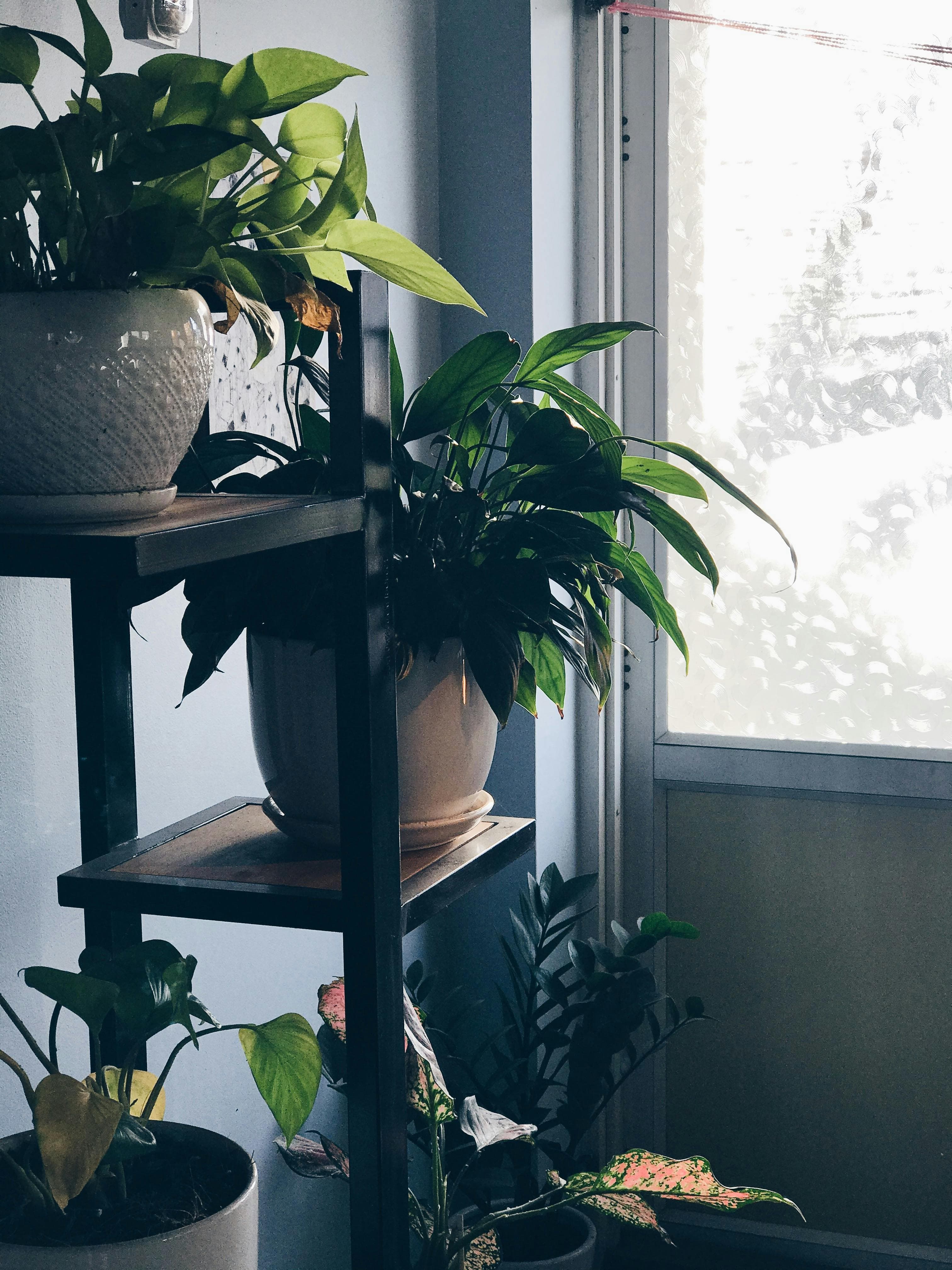
How to Revive Wilting Leaves in Low Light Conditions
Wilting leaves can be a sign of distress in plants, often caused by inadequate light conditions. Low light can lead to a variety of problems, including drooping leaves, stunted growth, and a lack of vibrancy. However, with the right care and adjustments, you can revive your plants and ensure they thrive even in less-than-ideal lighting. Here’s a detailed guide on how to help your plants recover from wilting in low light conditions.
Understanding the Impact of Low Light
Before diving into solutions, it's important to understand how low light affects plants:
- Reduced Photosynthesis: Plants need light to perform photosynthesis, the process by which they convert light into energy. In low light, this process slows down, impacting the plant's health.
- Growth Issues: Without sufficient light, plants can become leggy, meaning they have elongated stems as they stretch towards the light source.
- Leaf Problems: Insufficient light can cause leaves to yellow, thin out, and eventually wilt.
Steps to Revive Wilting Leaves
1. Assess the Light Conditions
- Evaluate the Current Location: Check if the plant is receiving any direct light or if it's mostly in shadow.
- Use a Light Meter: For a more accurate assessment, use a light meter to determine the light intensity in your plant’s environment.
2. Improve Lighting
- Rearrange Your Space: Move the plant closer to a window or to a brighter area.
- Artificial Lighting: Consider using grow lights, especially LED or fluorescent grow lights, which can provide the spectrum of light needed by plants.
3. Adjust Watering Habits
- Check Soil Moisture: Overwatering can exacerbate wilting in low light conditions. Ensure the soil is moist but not soggy.
- Reduce Watering Frequency: With lower light and slower growth, your plants will require less water.
4. Prune Damaged Leaves
- Remove Dead Foliage: Pruning helps the plant focus its energy on healthier leaves.
- Promote New Growth: Cutting back overgrown stems can encourage bushier growth, which can be healthier under low light.
5. Consider Humidity
- Increase Humidity: Many plants benefit from higher humidity, especially in low light conditions.
- Use a Humidifier or Pebble Tray: This can help create a more favorable environment for your plants.
6. Fertilize Appropriately
- Use a Balanced Fertilizer: Look for fertilizers that are suitable for indoor plants and use them sparingly.
- Adjust Feeding Schedule: In low light, plants need fewer nutrients, so reduce the frequency of fertilization.
7. Monitor and Adjust
- Keep an Eye on Plant Response: After making adjustments, observe how your plant responds over the next few weeks.
- Continue to Tweak Conditions: As you notice improvements or further issues, continue to adjust the light, watering, and care.
When to Seek Expert Help
If you've tried these steps and your plants continue to struggle, it might be time to consult with an expert. At Mavyn, you can chat with our AI, Mavyn GPT, or connect directly with a human expert who specializes in plant care. They can provide personalized advice and solutions tailored to your specific situation.
Reviving wilting leaves in low light conditions can be challenging, but with the right approach, your plants can flourish once again. Remember, each plant is unique, and what works for one might not work for another. Patience and persistence are key.
For more tips and personalized guidance, visit Mavyn and let our experts help you ensure your plants thrive in any environment.