Restoring Water-Damaged Vehicles Safely
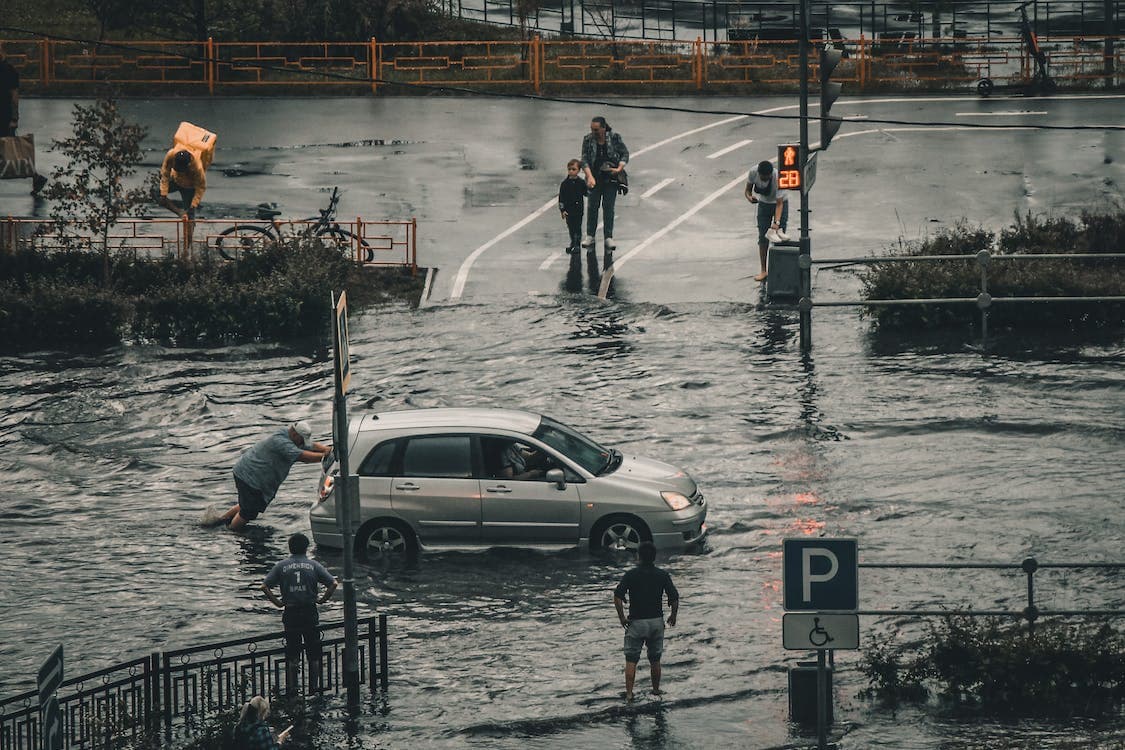
Water damage to a vehicle, especially to its electrical system, can be a daunting issue to resolve. Whether it's due to flooding or just a significant water intrusion, the impact on a vehicle's electrical components can range from minor glitches to complete system failures. However, with the right approach, restoring these systems and ensuring the vehicle is safe to drive again is possible. Here are some essential tips for safely restoring electrical function to water-damaged vehicles.
Safety First
Before you begin, prioritize safety. Water and electricity are a dangerous combination, so ensure the vehicle is completely powered off and disconnected from any power source. Wear rubber gloves and boots to minimize the risk of electric shock.
Assess the Damage
- Visual Inspection: Start with a thorough visual inspection of the vehicle, focusing on the electrical components. Look for obvious signs of water intrusion or damage.
- Check Electrical Components: Pay special attention to the fuse box, battery, alternator, starter, and other critical electrical components. Corrosion or water marks on these parts can indicate water damage.
- Interior Check: Don’t forget the interior. Water damage to the dashboard, control panels, or wiring under the carpet can lead to significant electrical issues.
Drying Out the Vehicle
- Remove Standing Water: If there’s any standing water inside the vehicle, remove it as quickly as possible using a wet-dry vacuum.
- Air Out the Vehicle: Open all doors, windows, and other compartments to air out the interior. Use fans to help circulate air and dehumidifiers to reduce moisture levels.
- Disconnect the Battery: Before drying out electrical components, disconnect the battery to prevent any electrical short circuits.
Cleaning and Repairing
- Clean Electrical Components: Use a contact cleaner to clean any electrical connections, including fuse boxes and wiring harnesses. This will help remove any residue or corrosion caused by the water.
- Inspect and Replace: Carefully inspect all electrical components. If you find any that are damaged or show signs of corrosion, it’s safer to replace them than to attempt a repair.
- Lubricate Connectors: Apply a dielectric grease to electrical connectors. This helps prevent future corrosion and ensures a good electrical connection.
Testing and Reconnecting
- Reconnect the Battery: Once everything is dry and clean, and damaged components have been replaced, reconnect the battery.
- Test Electrical Systems: Start the vehicle and test all electrical systems, including lights, dashboard controls, and the entertainment system. Pay attention to any irregularities.
- Seek Professional Help: If you encounter any issues or if the vehicle doesn’t start, it’s best to seek professional help. Water damage can be complex, and some issues might not be immediately apparent.
Preventative Measures
- Regular Maintenance: Regularly check your vehicle’s electrical system for any signs of wear or corrosion.
- Seal Leaks: Ensure that your vehicle’s seals and gaskets are in good condition to prevent future water intrusion.
Conclusion
Restoring a water-damaged vehicle, especially its electrical system, requires patience, attention to detail, and a focus on safety. By following these steps, you can ensure that your vehicle is safely restored to its pre-damage condition. However, remember that water damage can have long-term effects on a vehicle. Regular checks and maintenance are crucial to ensure its ongoing reliability and safety.