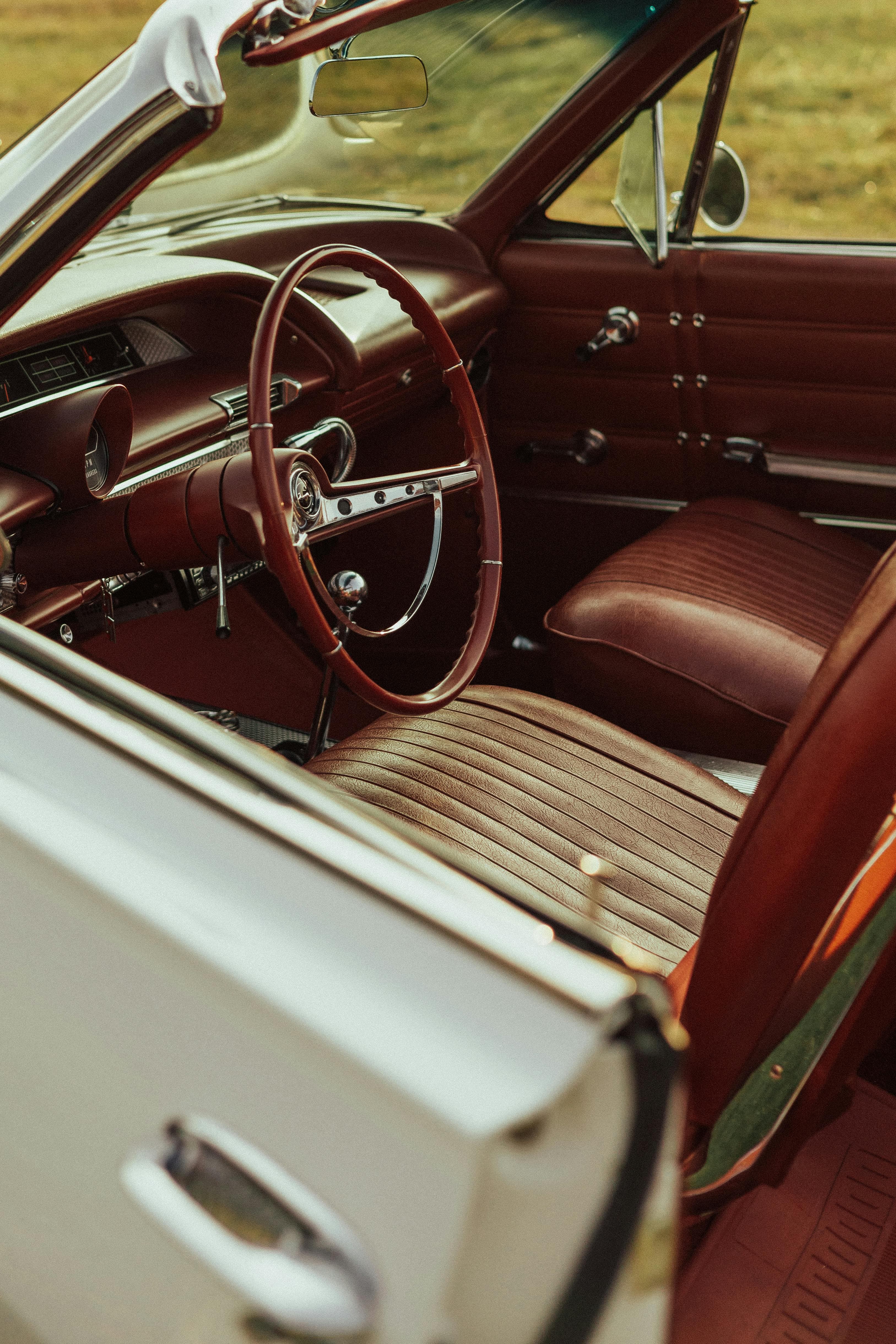
Restoring Classic Car Upholstery: A Step-by-Step Guide
Restoring the upholstery of a classic car can be a rewarding project that not only brings a piece of automotive history back to life but also potentially increases the value of your vehicle. Whether you're dealing with tears, fades, or just want to give your classic car a fresh look, Mavyn provides both AI-driven advice and access to human experts to guide you through the process. Here’s how you can achieve professional results in your garage.
Understanding the Basics of Upholstery Restoration
Before diving into the restoration process, it's important to understand the materials and tools you'll need. Classic cars often feature specific types of materials such as leather, vinyl, or fabric, and each requires a different approach.
Materials Commonly Found in Classic Cars:
- Leather: Luxurious and durable, but requires conditioning.
- Vinyl: Common in mid-century vehicles, easier to maintain than leather.
- Fabric: Includes a variety of textiles like wool or polyester.
Essential Tools for Upholstery Repair:
- Upholstery needle and thread
- Scissors and staple gun
- Leather or fabric cleaner
- Conditioner (for leather)
- Matching upholstery material
Step-by-Step Guide to Upholstery Restoration
Step 1: Assess the Damage
Examine your upholstery carefully to understand the extent of the damage. Look for tears, holes, and areas that are excessively worn out.
Step 2: Clean the Upholstery
Use a high-quality cleaner suitable for your upholstery type. For leather, opt for a gentle leather cleaner followed by a conditioner to keep it supple.
Step 3: Repair Small Tears and Holes
For small repairs, you can use a patching method or a liquid repair kit. Ensure the color and texture match the original material as closely as possible.
Example:
- Leather Repair: Use a leather repair kit that includes a compound that matches the color of your upholstery.
- Vinyl Repair: Apply a vinyl adhesive under the torn section, press it down firmly, and apply a vinyl patch over the area.
Step 4: Replacing Sections of Upholstery
In cases where the damage is too extensive, replacing entire sections might be necessary. This is where having a human expert can be invaluable, especially for matching materials and ensuring a professional finish.
Step 5: Finishing Touches
Once repairs or replacements are done, apply a final coat of conditioner or protectant. For fabric upholstery, consider using a fabric protector to repel future stains and dirt.
Tips for Maintaining Your Classic Car’s Upholstery
- Regularly clean and condition the upholstery to prevent cracks and tears.
- Avoid prolonged exposure to sunlight by using car covers or parking in shaded areas.
- Treat stains immediately to prevent them from setting in.
How Mavyn Can Help
Whether you're a seasoned restorer or a beginner, Mavyn’s AI and human experts are here to assist. Chat with Mavyn GPT for quick tips or connect with a human expert who specializes in classic car restoration for personalized guidance.
Restoring classic car upholstery can be a meticulous but immensely satisfying project. With the right tools, techniques, and support from Mavyn, you can breathe new life into your vintage treasure.
Remember, whether you need quick advice or in-depth guidance, Mavyn is here to help with both AI and human expertise tailored to your restoration needs.