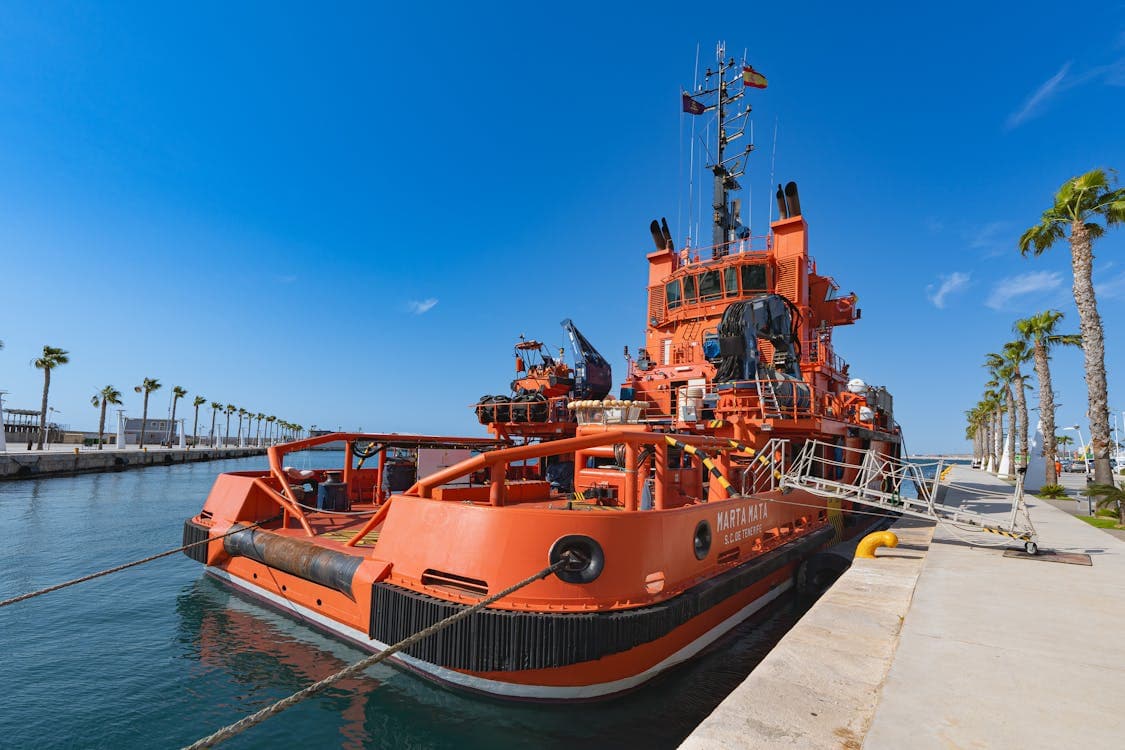
Rescue and Emergency Vessels: The Design and Use in Operations
Rescue and emergency vessels are crucial in maritime, flood-related, and other aquatic rescue operations. These specialized boats are designed to perform under challenging conditions, ensuring safety and efficiency during rescue missions. This article delves into the design considerations and uses of these vital vessels.
Key Design Features of Rescue and Emergency Vessels
1. Hull Design
- Deep-V Hulls: Common in rescue boats to handle rough waters.
- Flat Bottoms: Used in flood rescue vessels for better stability in shallow waters.
2. Material Selection
- Aluminum: Lightweight, durable, and corrosion-resistant, ideal for high-speed operations.
- Inflatable Materials: Often used in portable rescue crafts for easy deployment.
3. Size and Capacity
- Compact Size: Enables maneuverability in tight spaces.
- Capacity: Sufficient to carry rescue personnel and survivors safely.
4. Safety Features
- Self-righting Capability: Essential for recovery in case of capsizing.
- Watertight Compartments: Prevents sinking even when partially flooded.
5. Propulsion and Handling
- Jet Propulsion: Common in rescue vessels for shallow water operation without propeller risk.
- Enhanced Steering: Critical for quick responses and sharp maneuvers.
Uses of Rescue and Emergency Vessels
1. Flood Rescue
- Example: Deploying flat-bottom boats in urban flooding to evacuate residents.
2. Maritime Accidents
- Example: Using deep-V hull boats to stabilize and retrieve individuals from rough seas.
3. Firefighting
- Example: Equipped with water cannons and pumps to address fires on ships or coastal structures.
4. Search and Rescue (SAR) Operations
- Example: Coordination with aircraft to locate and rescue stranded or lost individuals at sea.
5. Environmental Disasters
- Example: Specialized vessels designed for oil spill containment and wildlife rescue.
Conclusion
Rescue and emergency vessels are indispensable in various rescue scenarios. Their design is meticulously tailored to meet the demands of specific environments and situations, ensuring that rescue operations are conducted swiftly and safely. Whether it's a flood, maritime accident, or environmental disaster, these vessels play a pivotal role in saving lives and mitigating damage.
For those interested in further exploring the capabilities of rescue and emergency vessels or needing expert advice on related topics, Mavyn offers both AI and human expert services. Users can chat with Mavyn GPT or connect with a human expert to get comprehensive answers to their questions.
Remember, when it comes to rescue operations, every second counts, and having the right vessel can make all the difference.