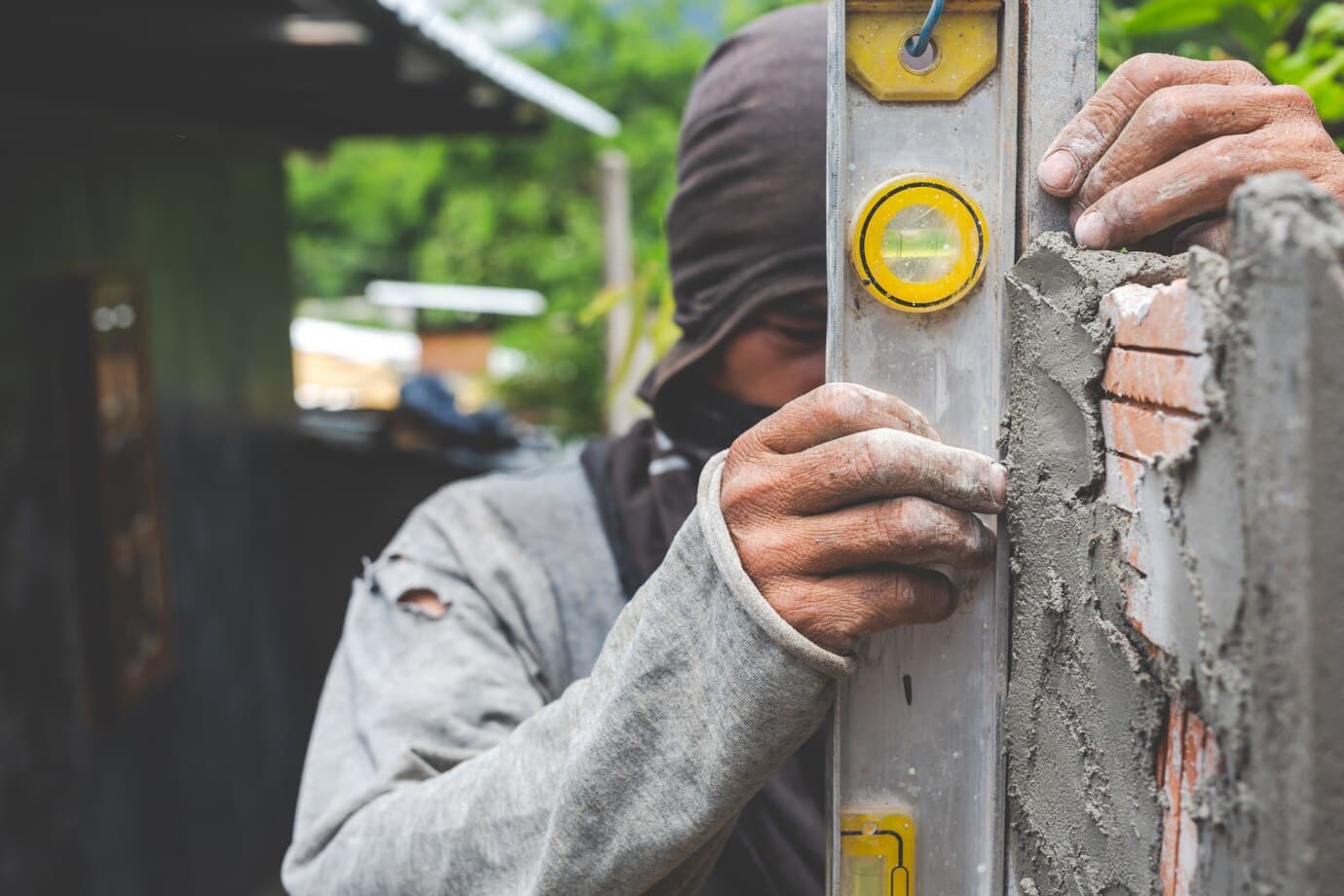
Brick and Mortar: Repairing and Restoring Masonry
Masonry, the building of structures from individual units of brick, stone, or concrete, is a craft that dates back centuries. While masonry is renowned for its durability and aesthetic appeal, it requires maintenance to keep it in top condition. In this article, we'll explore effective methods for repairing and restoring masonry, ensuring your structure remains beautiful and sturdy for years to come.
Understanding Masonry Damage
Before diving into repairs, it's crucial to understand the common types of damage that can affect masonry:
- Cracking: Caused by thermal expansion, settlement, or moisture issues.
- Spalling: Occurs when water enters brick, natural stone, or concrete and forces the surface to peel, pop out, or flake off.
- Discoloration: Can be due to weathering, pollution, or biological growth like moss or algae.
- Mortar deterioration: Over time, mortar may crumble or wear away, needing re-pointing or replacement.
Tools and Materials Needed
To tackle masonry repairs, you'll need the following tools and materials:
- Chisel and hammer or masonry saw: For removing damaged masonry.
- Trowel: For applying new mortar.
- Mortar mix: Ensure it matches the existing mortar in color and composition.
- Wire brush: For cleaning out joints.
- Safety glasses and gloves: Essential for protection.
Step-by-Step Guide to Masonry Repair
Step 1: Assess the Damage
Carefully inspect the masonry for any signs of damage. Use a small hammer or mallet to tap the surface gently. Hollow sounds can indicate loose or damaged bricks that might need replacement.
Step 2: Remove Damaged Masonry
Using your chisel and hammer, carefully remove any damaged masonry. Be sure to protect the surrounding materials from accidental damage.
Step 3: Clean the Area
Once the damaged bricks or stones are removed, clean the area thoroughly with a wire brush to remove debris and old mortar. This step ensures a clean bonding surface for the new mortar.
Step 4: Prepare the Mortar
Mix the mortar according to the manufacturer's instructions. It's crucial to achieve a consistency that is workable but not too wet.
Step 5: Apply New Mortar
Apply the mortar to the cleaned joints using a trowel. Press the mortar firmly into the joints, ensuring there are no air pockets. If you're replacing bricks or stones, apply mortar to the sides of the new units before placing them in position.
Step 6: Tool the Joints
Once the mortar starts to set, use a jointing tool to compact the mortar and shape the joints to match the existing masonry.
Step 7: Clean and Cure
Remove any excess mortar with a damp sponge and allow the repair to cure for at least 48 hours. Avoid exposing the area to extreme weather conditions during this time.
Maintenance Tips
To prolong the life of your masonry, consider these maintenance tips:
- Regular cleaning: Keep masonry clean from dirt, debris, and biological growth.
- Waterproofing: Apply a breathable waterproofing sealant to protect against moisture.
- Prompt repairs: Address minor damages promptly to prevent them from escalating.
Conclusion
Repairing and restoring masonry can be a rewarding project that preserves the integrity and beauty of your building. With the right tools, materials, and techniques, you can ensure that your masonry work withstands the test of time.
For more detailed guidance or specific concerns, consider consulting with a professional. At Mavyn, you can chat with our AI, Mavyn GPT, or connect with a human expert to get tailored answers to your masonry questions.