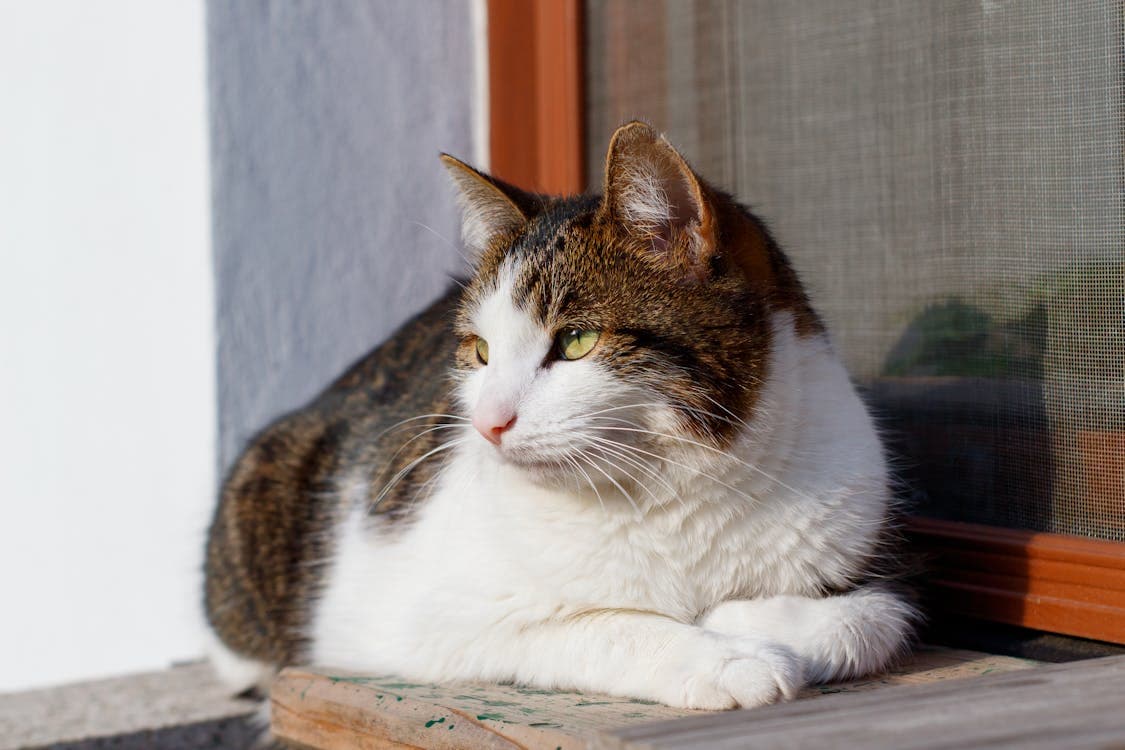
Hairball Hazards: 10 Methods for Minimizing Hairballs in Your Cat
Hairballs are a common issue for many cat owners. These unsightly clumps are not only a nuisance to clean up but can also pose significant health risks to your feline friend. Understanding how to minimize hairball formation can lead to a happier, healthier life for your cat. Here are ten effective methods to help manage this hairy predicament.
1. Regular Grooming
Regular brushing or combing your cat can significantly reduce the amount of hair they ingest during self-grooming. Long-haired breeds may require daily grooming, while short-haired breeds might only need it a few times a week.
- Tools to consider: A de-shedding tool, metal comb, or a soft bristle brush.
2. Specialized Cat Food
Many pet food manufacturers offer formulas designed to help reduce hairballs by improving skin and coat health and increasing fiber content to help move hair through the digestive system.
- Example: Look for brands that list "hairball control" on the label.
3. Hydration
Increasing your cat’s water intake can help hair pass through the digestive tract more smoothly. Consider adding wet food to their diet or investing in a cat water fountain to encourage more drinking.
- Tip: Place water bowls in multiple locations around your home.
4. Fiber Supplements
Adding a little bit of fiber to your cat's diet can help with digestion and reduce hairballs. This can be in the form of a specialized treat or supplement.
- Options: Pumpkin puree or a vet-recommended fiber supplement.
5. Frequent Litter Box Cleaning
Keeping the litter box clean encourages cats to use it regularly, which can help you monitor their health and notice any potential issues related to hairballs.
- Routine: Scoop daily and change the litter weekly.
6. Hairball Remedies
There are over-the-counter hairball pastes and gels that can help lubricate the hair and aid in its passage through the digestive system.
- How to use: Follow the package instructions for dosage.
7. Avoid Stress
Stress can cause excessive grooming. Maintaining a calm environment can reduce stress-related grooming behaviors.
- Strategies: Provide safe hiding spots and consider pheromone diffusers.
8. Regular Veterinary Check-ups
Regular check-ups can help catch any underlying issues that might contribute to excessive grooming and hairball formation.
- Remember: Discuss hairball concerns with your vet.
9. Interactive Play
Engage your cat in interactive play to distract them from excessive grooming. This not only reduces hair ingestion but also provides essential exercise and mental stimulation.
- Toy ideas: Laser pointers, feather wands, or interactive feeders.
10. Keep Your Home Hair-Free
Regularly cleaning your home and removing loose hair can prevent your cat from picking it up on their fur and ingesting it during grooming.
- Cleaning tips: Use a vacuum with a pet hair attachment and wash textiles where your cat frequently lies.
By implementing these strategies, you can significantly reduce the occurrence of hairballs in your cat, ensuring they lead a more comfortable and healthy life. Remember, if hairballs continue to be a frequent problem, it's important to consult with your veterinarian to rule out any underlying health issues.
For more personalized advice on managing your cat's health or any other inquiries, chat with Mavyn GPT or connect with a human expert at Mavyn. We're here to help answer your questions with AI or human expertise!