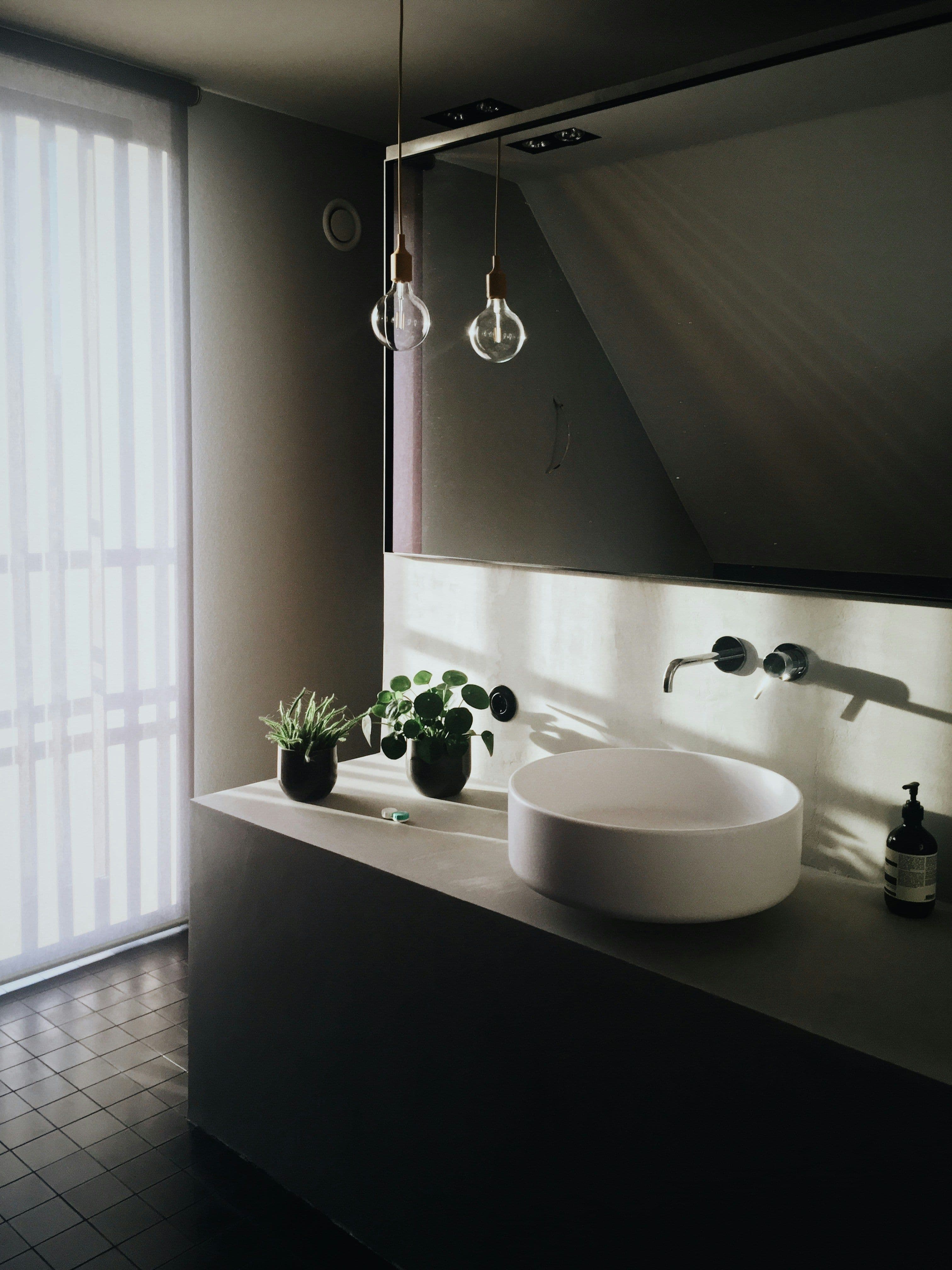
Expert Advice on Preventing Clogs in Your Kitchen and Bathroom Sinks
Clogged sinks are a common household nuisance, leading to water backup, slow drainage, and sometimes, unpleasant odors. Whether it's your kitchen or bathroom sink, preventing clogs is key to maintaining a smooth-running plumbing system. Here are expert tips to help you keep your sinks clear and functional.
Kitchen Sink Clog Prevention
1. Mind What Goes Down the Drain
- Avoid Grease and Oil: Grease, fats, and oils solidify in your pipes, leading to clogs. Instead of pouring them down the drain, dispose of them in a trash can.
- Use a Sink Strainer: A strainer catches food particles and debris, preventing them from entering your plumbing system. Clean the strainer regularly.
2. Run Hot Water After Use
After using your sink, run hot water for a few minutes. This helps dissolve and flush away any residual oils or substances that might stick to your pipes.
3. Dispose of Coffee Grounds Properly
Coffee grounds can accumulate in your pipes, causing blockages. Always dispose of them in the trash or add them to your compost pile.
4. Regular Cleaning
- Baking Soda and Vinegar: Once a month, pour a mixture of baking soda and vinegar down your drain. After 15 minutes, flush with boiling water. This natural cleaner helps break down fatty acids and keeps your drain smelling fresh.
- Enzyme Cleaners: Consider using enzyme-based cleaners. They break down organic matter without damaging your pipes.
Bathroom Sink Clog Prevention
1. Use a Drain Guard
A drain guard catches hair, soap bits, and other debris. Clean it regularly to prevent buildup.
2. Avoid Chemical Drain Cleaners
While tempting, chemical drain cleaners can corrode your pipes over time. Opt for natural alternatives or mechanical cleaning methods like a plumber's snake.
3. Regular Maintenance
- Hot Water Flushes: Similar to the kitchen sink, regularly flushing your bathroom sink with hot water can prevent soap and grime buildup.
- Clean Stopper: Many bathroom sinks have a pop-up stopper that can collect hair and soap scum. Clean it regularly to ensure smooth drainage.
4. Be Mindful of Soap Usage
Some bar soaps can leave a residue that builds up in your pipes. Consider using liquid soap or ensuring you run enough water to fully dissolve soap remnants.
Professional Help
If you've tried these tips and still face persistent clogging issues, it might be time to call a professional plumber. They can thoroughly inspect your plumbing system and provide a long-term solution.
Conclusion
Preventing clogs in your kitchen and bathroom sinks requires mindfulness about what goes down your drain and regular maintenance. By following these expert tips, you can ensure your sinks remain clear, functional, and odor-free. Remember, a little prevention goes a long way in maintaining a healthy plumbing system.