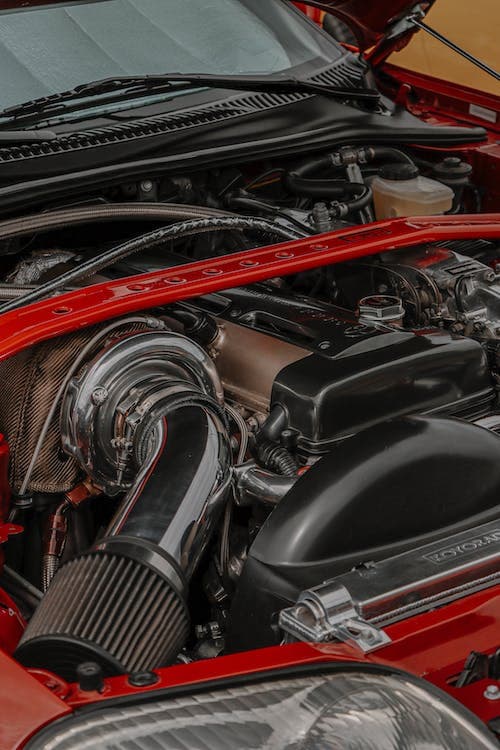
Mastering Techniques to Reduce Turbo Lag in Turbocharged Vehicles
In the realm of high-performance vehicles, turbochargers stand as a significant innovation. However, a common issue plaguing turbocharged vehicles is turbo lag. This article will walk you through several techniques to help you reduce turbo lag and improve your driving experience.
Understanding Turbo Lag
Before diving into the techniques, it's crucial to understand what turbo lag is. Turbo lag refers to the delay between the moment you push down on the accelerator and the time it takes for the turbocharger to deliver the extra power you need. This delay can negatively impact your vehicle's performance and driving experience.
Techniques to Reduce Turbo Lag
There are several ways to mitigate turbo lag in turbocharged vehicles. Let's explore them one by one.
1. Using a Smaller Turbocharger
Turbochargers come in different sizes, each with its own set of pros and cons. A smaller turbocharger can spin up faster due to its lower inertia, which can lead to a quicker response time and less turbo lag. However, keep in mind that smaller turbochargers may not provide as much boost as larger ones.
2. Twin Turbo Systems
In twin-turbo systems, two turbochargers work together to reduce turbo lag. One small turbocharger delivers quick response at lower engine speeds, while a larger one takes over at higher speeds to provide more power. This dual approach can significantly cut down on turbo lag.
3. Installing an Intercooler
An intercooler is a device that cools the air compressed by the turbocharger, which increases its density and allows more air to enter the engine. This results in a more efficient combustion process and less turbo lag.
4. Variable Geometry Turbochargers (VGTs)
VGTs can change their intake air flow characteristics based on the engine's speed. This means they can provide the benefits of both small and large turbochargers, reducing turbo lag significantly.
5. Anti-Lag Systems
Anti-lag systems keep the turbocharger spinning even when the driver isn't applying any gas. This eliminates the delay caused by the turbocharger needing to spin up when power is required, thus reducing turbo lag.
Conclusion
Reducing turbo lag can greatly enhance your driving experience, especially in performance driving scenarios. Whether you choose to use a smaller turbocharger, twin turbo systems, install an intercooler, or make use of variable geometry turbochargers and anti-lag systems, each method can contribute significantly to reducing turbo lag in your vehicle. Remember, it's always best to consult with an automotive professional before making major modifications to your vehicle. Happy driving!