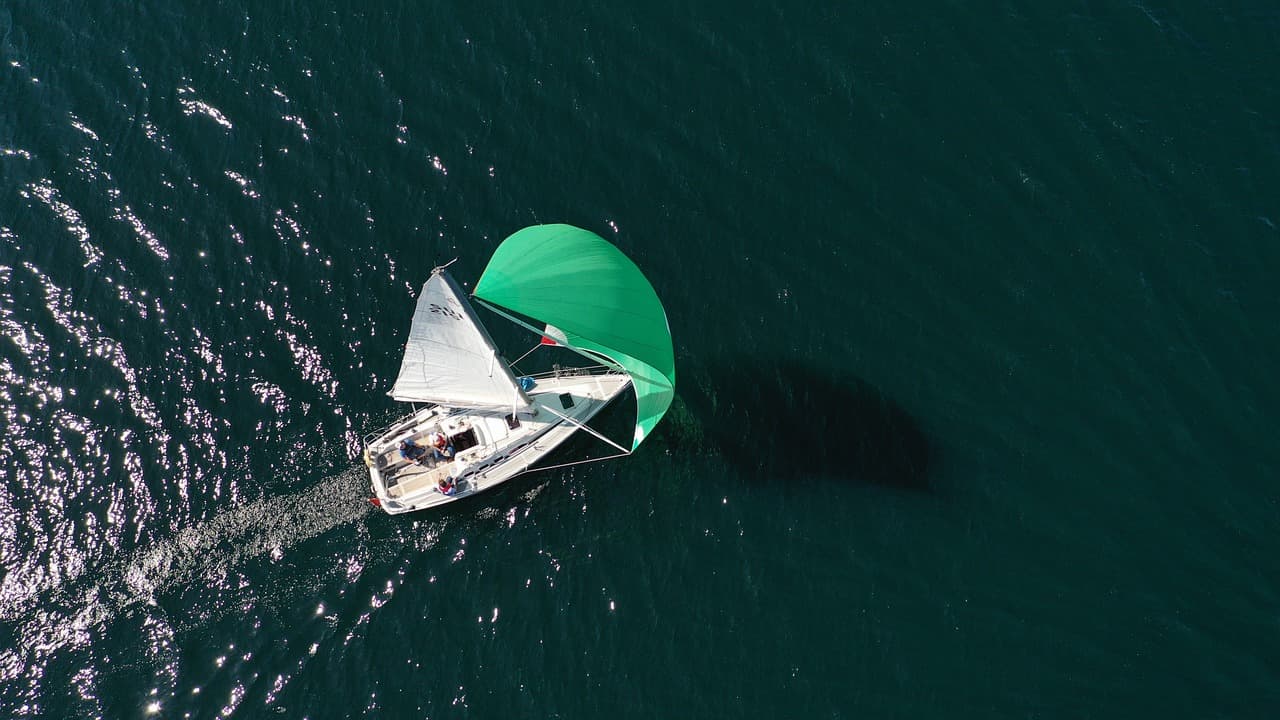
Mastering Spinnaker Sailing Techniques
Sailing with a spinnaker can transform a light-wind day on the water from a slow drift to an exhilarating glide. This type of sail, known for its large, balloon-like shape, is specifically designed to catch light breezes and provide substantial power to the sailboat. Whether you're a seasoned sailor or a beginner, understanding how to effectively use a spinnaker can significantly enhance your sailing skills. Here’s a detailed guide on how to sail with a spinnaker.
What is a Spinnaker?
A spinnaker is a large, lightweight sail that is used when sailing downwind. Unlike the more common jib or mainsail, a spinnaker is fuller and designed to balloon out in front of the boat. It comes in various types, including:
- Symmetrical spinnaker: Best suited for sailing directly downwind.
- Asymmetrical spinnaker: Also known as a cruising spinnaker, it is easier to handle and suitable for courses that are not directly downwind.
Preparing to Hoist the Spinnaker
Before you can enjoy the benefits of sailing with a spinnaker, proper setup is crucial. Here’s how to prepare:
- Check the wind and sea conditions: Ensure that the conditions are suitable for spinnaker sailing, generally light to moderate winds.
- Prepare the spinnaker: Lay the sail out on deck to ensure it is not tangled.
- Attach the sheets: Connect the spinnaker sheets (ropes that control the sail) to the sail’s clews (the two lower corners of the spinnaker).
- Set up the pole: For a symmetrical spinnaker, attach the spinnaker pole horizontally to the mast and the sail’s windward clew.
Hoisting the Spinnaker
With the spinnaker prepared, follow these steps to hoist it safely:
- Head downwind: Align the boat directly downwind to reduce apparent wind speed and ease the hoisting process.
- Raise the sail: Slowly hoist the spinnaker using the halyard (the line that lifts the sail) while a crew member ensures it does not snag or tear.
- Trim the sail: Adjust the sheets to optimize the shape and position of the spinnaker, ensuring it fills with wind and balloons outwards effectively.
Sailing with the Spinnaker
Once the spinnaker is up, use these techniques to sail effectively:
- Steer gently: Sudden or sharp turns can cause the spinnaker to collapse. Use smooth, gradual movements.
- Adjust the sheets: Continuously trim the spinnaker sheets to adapt to changing wind conditions and maintain optimal sail shape.
- Monitor the sail: Keep an eye on the spinnaker’s shape and the wind conditions. Be prepared to adjust quickly to prevent collapses.
Dousing the Spinnaker
Lowering the spinnaker, or dousing, is as critical as hoisting. Here’s how to do it safely:
- Prepare to douse: Communicate with your crew and ensure everyone is ready.
- Release the windward sheet: This allows the sail to deflate slightly.
- Pull down the sail: Use the halyard to lower the spinnaker while crew members pull the sail down from the deck.
- Stow the sail: Once the spinnaker is down, fold or roll it carefully to prevent damage and make it easier for the next use.
Conclusion
Sailing with a spinnaker is a thrilling way to enhance your sailing experience in light winds. By understanding the setup, hoisting, sailing, and dousing processes, you can effectively use this powerful sail to its full potential. Remember, practice makes perfect, and each outing with a spinnaker will build your confidence and skill.
For further assistance or personalized guidance on sailing techniques, consider connecting with a human expert at Mavyn, or chat with Mavyn GPT for quick tips and advice.