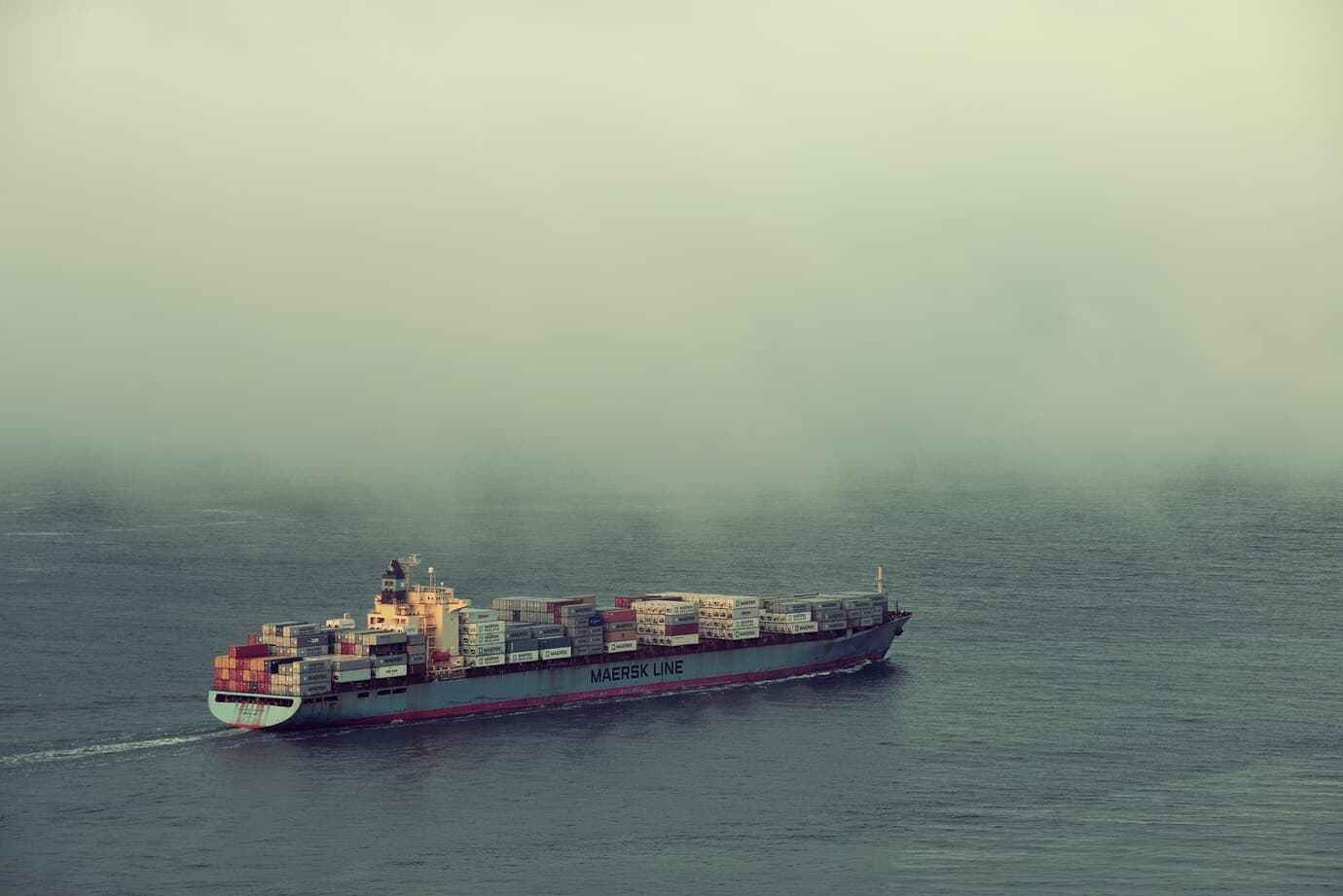
Mastering Marine Weather: Understanding and Predicting Sea Conditions
Navigating the vast and often unpredictable ocean requires a solid understanding of marine weather. Whether you're planning a leisurely sail, a fishing trip, or a professional maritime operation, knowing how to read and respond to weather conditions is crucial. In this article, we'll explore key aspects of marine weather, tools for forecasting, and tips for safe sea navigation.
Understanding Marine Weather
Marine weather encompasses a variety of atmospheric phenomena affecting the ocean and its adjacent coastal areas. Here’s what you need to know:
Key Elements of Marine Weather
- Wind: Wind speed and direction can significantly influence sea conditions. Strong winds can lead to higher waves and tougher sailing conditions.
- Waves: Waves are generated by wind. Understanding wave height, period, and direction is vital for navigating through them safely.
- Tides: Tidal currents, caused by the gravitational pull of the moon and sun, can affect water depth and sea movement, crucial for entering or leaving harbors.
- Temperature: Sea and air temperatures can affect weather patterns and fog formation, impacting visibility at sea.
Common Weather Patterns
- High and Low Pressure Systems: High pressure often brings fair weather, while low pressure can lead to storms and heavy seas.
- Fronts: Cold fronts can bring sudden wind shifts and thunderstorms, whereas warm fronts may result in gradual weather changes.
- Tropical Storms and Hurricanes: Particularly relevant in certain areas, these can drastically alter sea conditions and require heightened precautions.
Tools for Predicting Marine Weather
Leverage technology and resources to stay ahead of the weather:
Technology and Apps
- Weather Websites and Apps: Websites like NOAA (National Oceanic and Atmospheric Administration) provide detailed marine forecasts. Apps like Windy and Storm provide real-time weather updates and forecasts.
- VHF Radio: Essential for receiving weather updates and maritime safety information from coastal stations.
Traditional Methods
- Barometers: An onboard barometer can help detect changes in air pressure, indicating potential weather changes.
- Cloud Observations: Learning to recognize different cloud types and formations can provide clues about impending weather.
Tips for Safe Navigation
- Plan Ahead: Always check the weather forecast before and during your trip. Adjust your plans based on the latest updates.
- Understand Your Limits: Know the capabilities of your vessel and don’t venture out in conditions that exceed those limits.
- Safety Gear: Ensure you have appropriate safety gear onboard, including life jackets, a first-aid kit, and emergency communication devices.
Conclusion
Mastering marine weather is not only about enhancing your sea voyage but ensuring safety. By understanding key weather elements, utilizing forecasting tools, and following safety tips, you can enjoy a more secure and pleasant experience on the water.
For those seeking further assistance or personalized advice, Mavyn offers both AI and human expert services. Whether you need quick insights from Mavyn GPT or detailed guidance from a human expert, we are here to help answer your questions about marine weather or any other inquiries you might have.