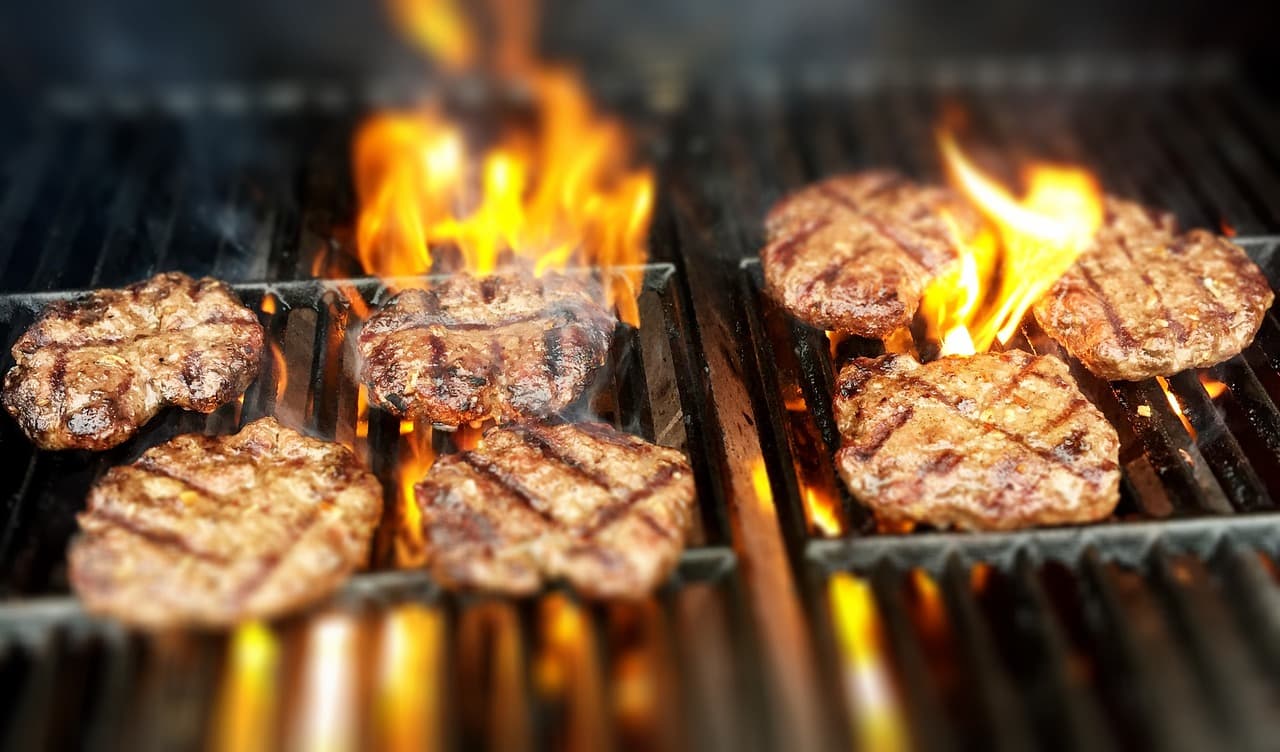
Grilled to Perfection: Mastering the Art of Temperature Control
Grilling is an art that combines skill, timing, and the right temperature to create perfectly cooked meals. Whether you're a seasoned grill master or a novice looking to improve your grilling game, understanding how to control the temperature of your grill is crucial. Here’s a detailed guide to help you master the art of temperature control on your grill.
Understanding Your Grill
Before diving into temperature control, it's important to understand the type of grill you're using:
- Charcoal Grills: Offer great flavor but require more skill for temperature control.
- Gas Grills: Easier to control with adjustable burners.
- Electric Grills: Best for indoor use, with straightforward temperature settings.
The Importance of Preheating
- Ensure Even Cooking: Preheating your grill helps in cooking food evenly.
- Achieving Grill Marks: A hot grill sears meats quickly, creating those professional-looking grill marks.
- Food Safety: A properly heated grill helps in eliminating harmful bacteria.
Tip: Preheat your grill for at least 15-20 minutes before you start cooking.
Mastering Temperature Zones
Creating different temperature zones on your grill is key to versatile cooking:
- High Heat Zone: Ideal for searing meats.
- Medium Heat Zone: Great for cooking through without burning.
- Low Heat Zone: Perfect for slow-cooking and smoking.
Example: On a charcoal grill, pile more coals on one side to create a high heat zone, and fewer coals on the other for a low heat zone.
Using a Thermometer
- Meat Thermometers: Essential for ensuring your meat is cooked safely and to your desired doneness.
- Grill Surface Thermometers: Help in monitoring the actual cooking surface temperature.
Example: Insert a meat thermometer into the thickest part of the steak to check for doneness.
Managing Flare-Ups
Flare-ups can burn your food and are a common challenge when grilling:
- Trim Excess Fat: Reduces the chances of flare-ups.
- Keep the Lid Open: When grilling fatty foods, keeping the lid open prevents sudden flare-ups.
- Have a Spray Bottle Handy: A quick spritz can tame a flare-up without putting out your coals.
Resting Your Meat
Allowing your meat to rest after grilling is crucial:
- Retains Moisture: Resting helps juices redistribute throughout the meat, making it juicier.
- Enhances Flavor: Gives time for the flavors to meld.
Example: Let a thick steak rest for about 10 minutes before slicing.
Continuous Learning
Grilling is a skill that improves with practice. Keep experimenting with different techniques, temperatures, and types of food. Mavyn offers both AI and human expert advice to help you refine your grilling techniques or troubleshoot any issues. Chat with Mavyn GPT or connect with a human expert to enhance your grilling skills.
Remember, mastering the grill is not just about cooking; it's about creating memorable meals and enjoying the process. Happy grilling!