Mastering Adaptive Cruise Control: A Guide
Adaptive Cruise Control (ACC) is a game-changer in modern driving, offering a blend of convenience, safety, and technology that transforms the driving experience. As vehicles become more advanced, understanding how to effectively use these features is crucial. This guide will walk you through the essentials of driving with Adaptive Cruise Control, ensuring you make the most out of this innovative technology.
What is Adaptive Cruise Control?
Adaptive Cruise Control is an advanced driver assistance system that automatically adjusts your vehicle's speed to maintain a safe distance from the car ahead. Unlike traditional cruise control, which maintains a constant speed, ACC adapts to the flow of traffic, slowing down or speeding up as necessary.
Benefits of Adaptive Cruise Control
- Enhanced Safety: By maintaining a safe distance from other vehicles, ACC reduces the risk of rear-end collisions.
- Reduced Driver Fatigue: On long journeys, ACC can alleviate the strain of constantly adjusting speed, making for a more comfortable drive.
- Improved Fuel Efficiency: By avoiding abrupt acceleration and deceleration, ACC can help optimize fuel consumption.
How to Use Adaptive Cruise Control
Activating ACC
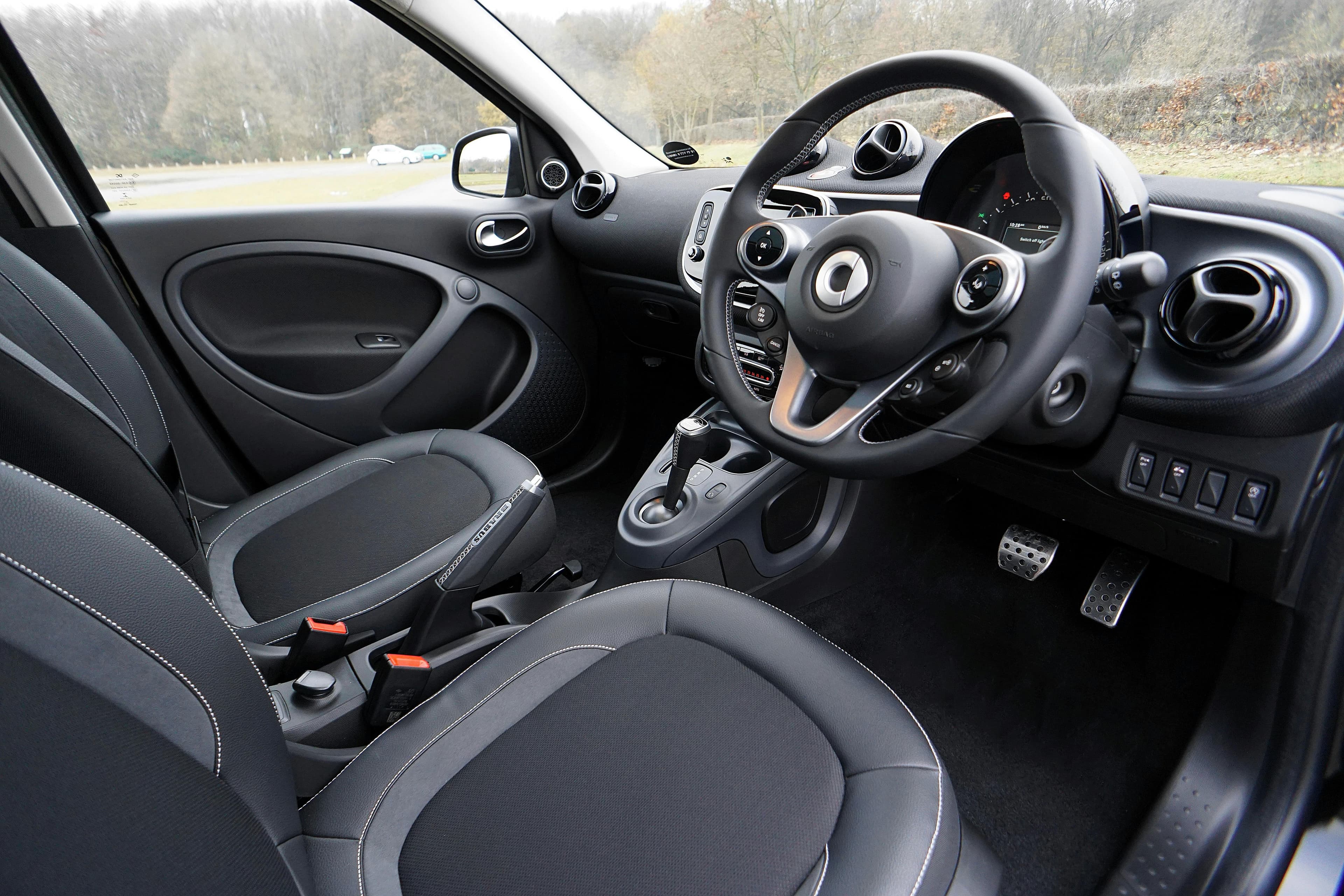
- Locate the ACC Controls: These are usually found on the steering wheel or a nearby dashboard panel.
- Set Your Desired Speed: Once you've reached a comfortable cruising speed, activate ACC to maintain that speed.
- Adjust Your Following Distance: Use the ACC controls to set how far you want to stay behind the vehicle in front of you. Most systems offer several distance settings.
While ACC is Engaged
- Stay Alert: Although ACC can handle some aspects of driving, it's crucial to remain attentive and ready to take control at any moment.
- Be Prepared to Brake: ACC can manage many situations, but sudden stops or unpredictable movements by other drivers may require manual intervention.
- Understand Limitations: ACC works best in clear conditions. Fog, heavy rain, or snow can interfere with the sensors, so be prepared to drive manually in poor weather.
Shop Car Temperature Gauge Now
Tips for Driving with Adaptive Cruise Control
- Familiarize Yourself: Before relying on ACC in heavy traffic, practice in less congested conditions to understand how your system responds.
- Know When to Use It: ACC is ideal for highways and clear roads. It's less suited for city driving where stop-and-go traffic is common.
- Monitor Traffic Conditions: Always be aware of your surroundings. ACC can't interpret traffic signals or make decisions based on road signs.
Troubleshooting Common ACC Issues
- ACC Disengages Unexpectedly: This can happen if the sensors are blocked (e.g., by mud or snow). Keep sensors clean and clear of obstructions.
- Inaccurate Speed Adjustments: Calibration issues can sometimes cause this. If problems persist, consult your vehicle's manual or a professional.
Conclusion
Adaptive Cruise Control is a powerful tool that, when used correctly, can significantly enhance the driving experience. By understanding how to effectively engage and manage ACC, drivers can enjoy the benefits of this technology while maintaining safety and comfort on the road. Remember, technology is there to assist, not replace, your judgment and skills as a driver. Stay alert, stay safe, and embrace the future of driving with confidence.