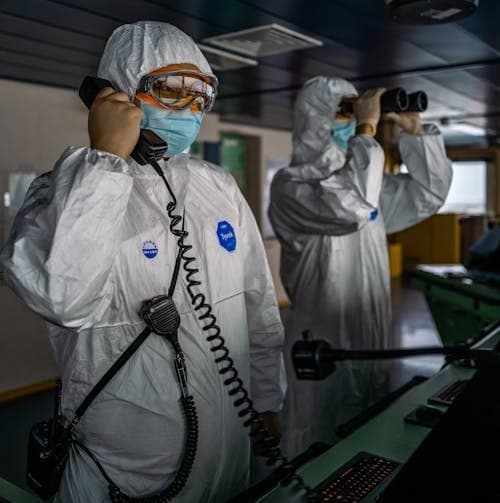
Maritime Education and Training: Building Skills for a Career at Sea
The maritime industry offers a vast array of career opportunities, ranging from ship navigation to marine engineering. However, entering this field requires specialized knowledge and skills that can only be acquired through dedicated maritime education and training programs. In this article, we'll delve into the importance of these programs, the types of courses available, and how they prepare you for a successful career at sea.
Why Maritime Education is Crucial
Maritime education is not just about learning to navigate a ship; it encompasses a broad spectrum of knowledge that is crucial for the safety, efficiency, and legality of maritime operations. Here are some reasons why maritime education is essential:
- Safety: Maritime training provides the necessary skills to handle emergencies and ensure the safety of the crew and cargo.
- Regulatory Compliance: The maritime sector is heavily regulated. Professionals must understand and comply with international laws and regulations.
- Technical Proficiency: From operating complex navigation systems to maintaining engines, technical skills are vital in this industry.
- Career Advancement: Higher qualifications and specialized training can lead to better job prospects and career growth.
Types of Maritime Courses
Maritime education offers a variety of courses tailored to different career paths in the maritime sector. Here are some of the key programs:
- Deck Officer Training: Prepares candidates for roles in navigation, cargo handling, and ship management.
- Marine Engineering: Focuses on the technical aspects of ship operation, including machinery and power systems.
- Maritime Law and Policy: Offers insights into the legal aspects of maritime operations and international maritime law.
- Marine Safety and Security: Teaches protocols for maintaining safety and handling security issues onboard.
- Environmental Science: Covers the impact of maritime activities on the environment and ways to mitigate them.
Real-World Application of Maritime Training
Maritime training combines theoretical knowledge with practical skills. Here are some examples of how this education is applied in real-world scenarios:
- Navigation Simulations: Trainees use simulators to hone their navigation skills without the risks associated with actual sea navigation.
- Emergency Drills: Regular drills for fire, piracy, and man-overboard situations prepare the crew for potential emergencies.
- Technical Workshops: Hands-on workshops on engine maintenance and repair are a critical part of marine engineering courses.
Choosing the Right Maritime School
Selecting the right institution is crucial for your maritime education. Consider the following factors:
- Accreditation: Ensure the school is accredited by relevant maritime authorities.
- Curriculum: Look for up-to-date and comprehensive course offerings.
- Faculty Expertise: Experienced instructors can provide valuable insights and mentorship.
- Facilities: State-of-the-art simulators and equipment enhance the learning experience.
Conclusion
A career at sea is both challenging and rewarding, and it starts with the right education and training. Maritime courses not only equip you with the necessary skills but also help you meet industry standards and regulations. Whether you aspire to be a deck officer or a marine engineer, the right training will set you on the path to success.
For those looking to explore more about maritime education or have specific queries, Mavyn offers both AI and human expert help services. You can chat with Mavyn GPT or connect with a human expert to get personalized answers to your questions.
Remember, the vast sea of opportunities in the maritime industry awaits those who are well-prepared and educated. Start your journey today by choosing the right education and training program!