Marine Conservation Success Stories: Restoring and Protecting Oceanic Environments
The ocean, covering over 70% of the Earth's surface, is home to diverse ecosystems and species. However, it faces threats from pollution, overfishing, and climate change. Fortunately, numerous initiatives worldwide have shown significant progress in marine conservation. Here, we explore some inspiring success stories that highlight the effectiveness of these efforts.
1. The Revival of the Coral Reefs in the Caribbean
Background
Coral reefs, often referred to as the "rainforests of the sea," are crucial for marine life but have been declining due to various environmental stresses.
Success Story
Organizations like the Mote Marine Laboratory have developed coral restoration techniques that involve growing corals in nurseries and then transplanting them to degraded areas. This method has successfully restored large sections of coral reefs in the Florida Keys and the Caribbean.
Impact
The restoration projects have not only brought back coral cover but also helped in increasing the population of fish and other marine species dependent on these habitats.
2. Protection of the Marine Reserves in New Zealand
Background
New Zealand's marine ecosystems are unique but were under threat from overfishing and habitat destruction.
Success Story
The establishment of marine reserves, where all forms of extraction like fishing and mining are prohibited, has led to remarkable recoveries. The no-take area around the Leigh Marine Reserve is a prime example, showing significant increases in snapper and crayfish populations.
Impact
These protected areas have become a haven for marine life, promoting biodiversity and serving as a blueprint for similar conservation efforts globally.
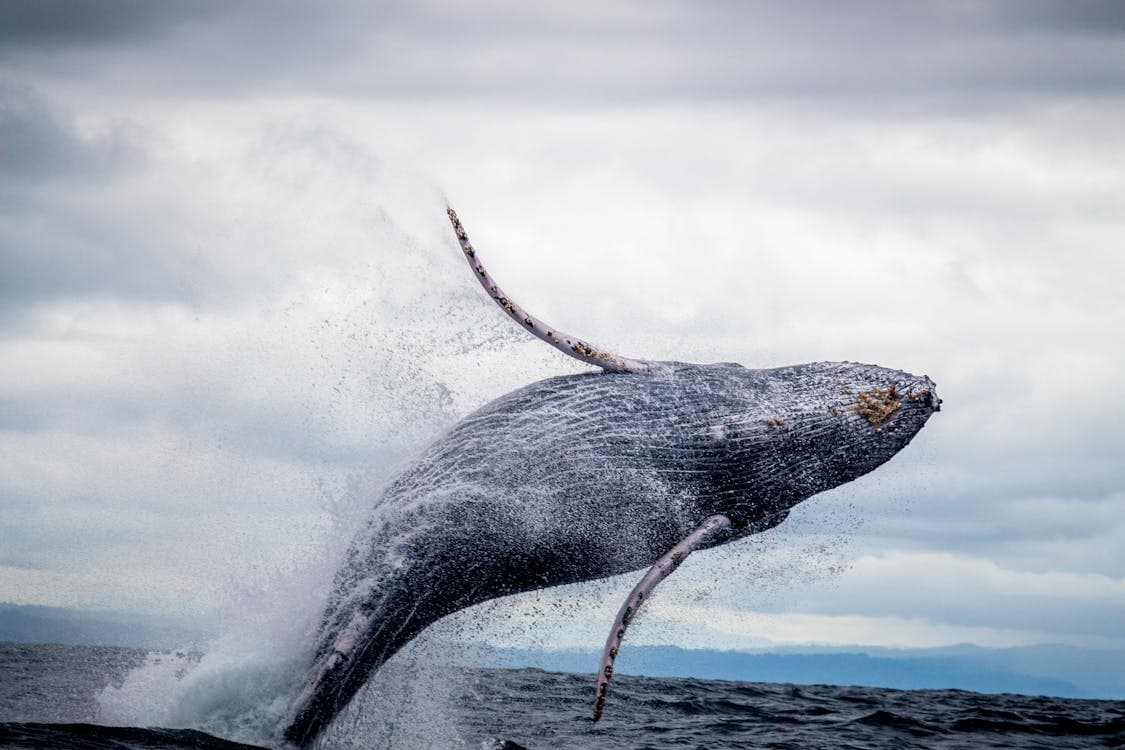
3. The Comeback of the Humpback Whales
Background
Humpback whales were once nearing extinction due to commercial whaling.
Success Story
International bans on commercial whaling, along with concerted global efforts for whale conservation, have led to a rebound in humpback whale populations. Countries like Australia have reported a significant increase in their numbers.
Impact
The resurgence of humpback whales is a testament to the effectiveness of global cooperation in wildlife conservation, enhancing biodiversity and stabilizing marine ecosystems.
4. Reduction of Plastic Pollution Through Innovative Campaigns
Background
Plastic pollution is one of the most pervasive problems affecting the marine environment, endangering countless marine species.
Success Story
Initiatives like the Ocean Cleanup project have developed technologies to remove plastics from oceans and rivers. Moreover, public awareness campaigns have significantly reduced single-use plastic usage in several countries.
Impact
These efforts have not only cleared substantial amounts of plastic waste but also fostered a global culture of sustainability and conservation.
Conclusion
These success stories demonstrate that with concerted effort and innovative approaches, it is possible to restore and protect our vital oceanic environments. They serve as beacons of hope and blueprints for future conservation projects worldwide.
At Mavyn, we are committed to supporting environmental conservation through our AI and human expert services. Whether you need detailed information on marine conservation or want to connect with experts in the field, Mavyn is here to assist. Explore how Mavyn GPT can provide instant information or how our human experts can offer in-depth insights and guidance.