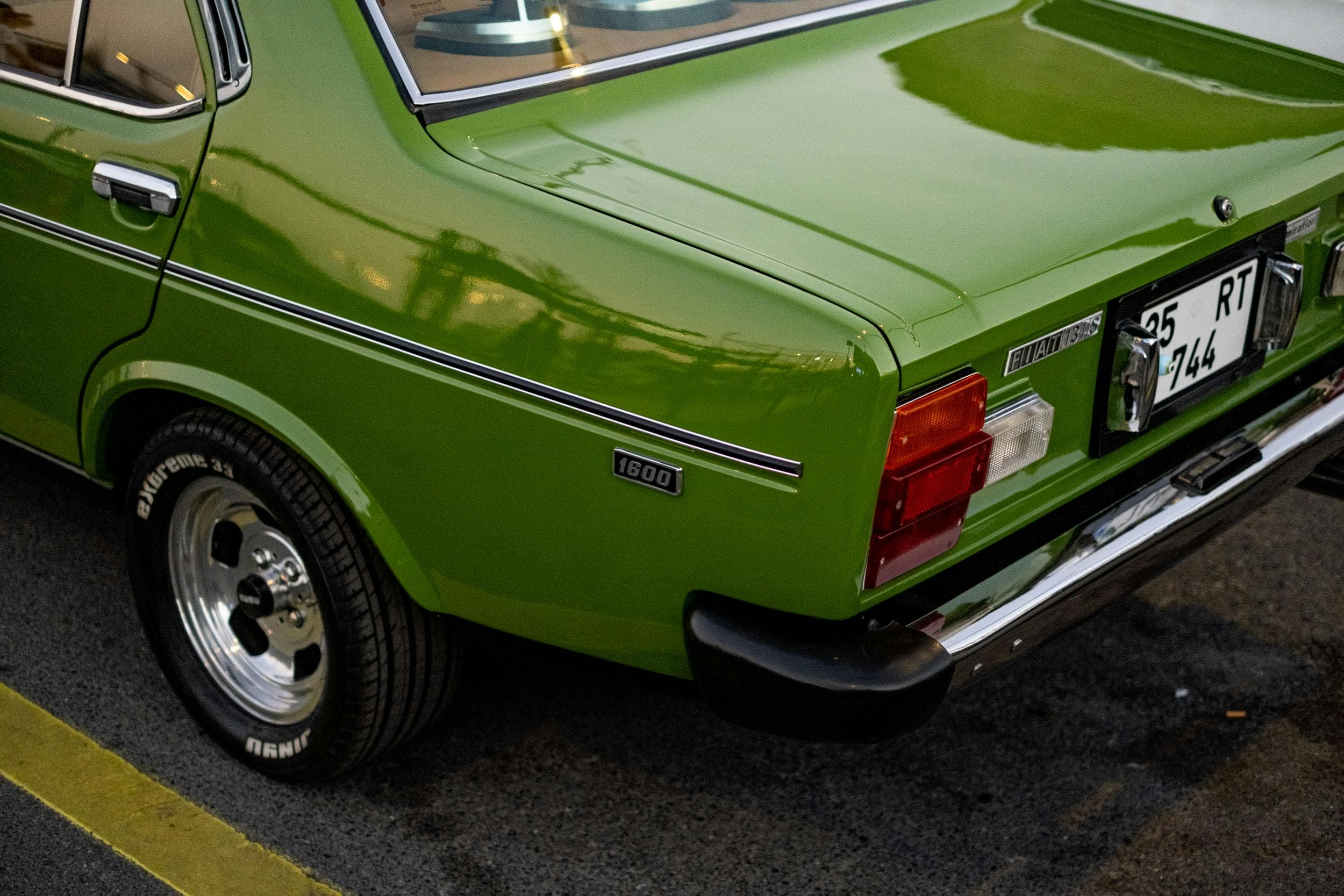
Managing Tire Pressure Issues in Classic Cars
Maintaining the correct tire pressure in classic cars is crucial not only for the vehicle's performance but also for its longevity and safety. Unlike modern vehicles, classic cars require a more hands-on approach to maintenance, and tire pressure is no exception. Here’s a detailed guide on how to manage tire pressure issues in classic cars, ensuring they run smoothly and safely.
Understanding the Importance of Correct Tire Pressure
Tire pressure can significantly affect a classic car's handling, fuel efficiency, and tire wear. It's essential to maintain the right pressure to avoid:
- Uneven tire wear: Incorrect pressure can lead to premature tire wear.
- Reduced fuel efficiency: Over or under-inflated tires can increase fuel consumption.
- Safety risks: Improper tire pressure can affect braking and handling.
Checking Tire Pressure Regularly
Tools You Need:
- A reliable tire pressure gauge
- A portable air compressor or access to an air pump
Steps to Check Tire Pressure:
- Buy a Quality Tire Pressure Gauge: Invest in a high-quality gauge for accurate readings.
- Check When Tires are Cold: Tire pressure should be checked when the tires are cold, as heat can expand the tires and give a false reading.
- Remove the Cap from the Valve Stem: Unscrew the cap and put it in a safe place.
- Place the Gauge on the Valve Stem: Press the gauge evenly onto the valve stem and read the pressure.
- Adjust as Necessary: If the pressure is too high, release some air. If too low, add air using your air compressor or a pump.
- Replace the Valve Stem Cap: Don’t forget to replace the cap to prevent dirt from entering.
Setting the Right Pressure
The correct tire pressure for classic cars can usually be found in the owner’s manual. If not, try these steps:
- Consult Online Forums: Look for information on dedicated classic car forums.
- Ask a Professional: Contact a classic car mechanic or use services like Mavyn, where you can chat with human experts or interact with Mavyn GPT for advice.
Regular Maintenance and Monitoring
Monthly Checks:
Make it a habit to check your tire pressure at least once a month and before any long trip.
Visual Inspections:
Regularly inspect tires for signs of wear or damage. Look for cracks, bulges, or objects that might have punctured the tire.
Use Technology:
Consider using a tire pressure monitoring system (TPMS) if your classic car doesn’t already have one. It can provide real-time pressure readings and alert you to sudden changes.
Conclusion
Managing tire pressure in classic cars might seem daunting, but with the right tools and knowledge, it can become a simple part of your maintenance routine. Regular checks and correct pressure adjustments will help ensure your classic car performs at its best and remains safe on the road.
For more detailed guidance or specific questions, consider using Mavyn’s services. Whether you prefer AI-driven advice through Mavyn GPT or personalized assistance from a human expert, Mavyn is here to help with all your classic car maintenance needs.