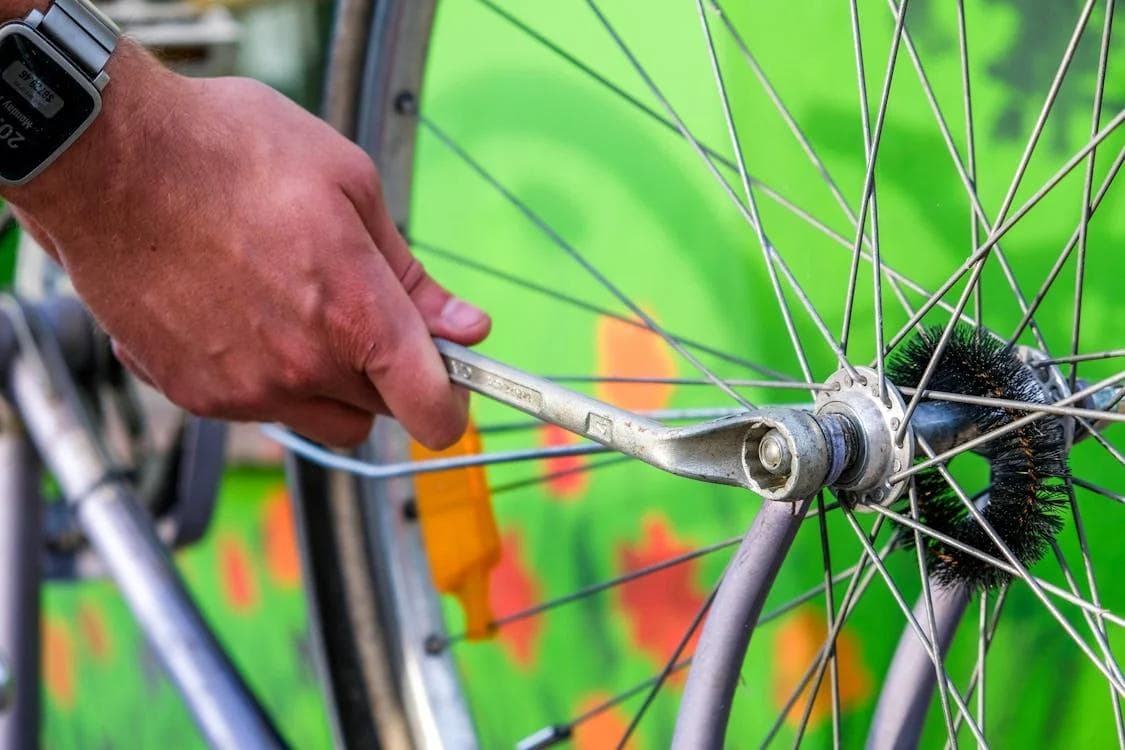
Keep Your Bike's Bearings Smooth: A Guide
Bicycle maintenance is crucial for a smooth, efficient ride and longevity of your bike. Among the most critical components requiring regular attention are the bearings. Bearings are found in the hubs, bottom bracket, pedals, and headset of your bicycle. They allow these parts to rotate smoothly with minimal friction. However, without proper care, bearings can wear out, leading to poor performance or even damage to your bike. This guide will walk you through the steps to prevent wearing out your bicycle's bearings.
Understanding Bearings
Before diving into maintenance, it's essential to understand the types of bearings your bike might have:
- Sealed Cartridge Bearings: These are maintenance-free and sealed from the elements. While they don't require regular maintenance, they need to be replaced when they wear out.
- Cup and Cone Bearings: These can be adjusted and serviced. They consist of loose bearings or a cage that sits between the cup (fixed part) and the cone (adjustable part).
Regular Maintenance Steps
1. Cleaning
Frequency: After riding in wet conditions or every few months for regular riders.
How-To:
- For Sealed Bearings: Wipe down the exterior of the bearing seals with a clean, damp cloth to remove dirt and grime.
- For Cup and Cone Bearings: Disassemble the component, carefully remove the bearings, and clean all parts with a degreaser. Avoid using high-pressure water jets as they can push dirt further into the bearings.
2. Lubrication
Frequency: Every few months or immediately after cleaning.
How-To:
- For Sealed Bearings: Generally, these do not need lubrication until they are replaced. However, a tiny drop of oil on the seal can help keep them running smoothly.
- For Cup and Cone Bearings: After cleaning, re-grease the bearings and components before reassembly. Use a high-quality bicycle grease.
3. Adjustment
Frequency: When you notice play in the component or after reassembling cup and cone bearings.
How-To:
- For Sealed Bearings: No adjustment is possible. Replace if there's play or roughness.
- For Cup and Cone Bearings: Adjust the cone so that there's no play, but the bearings can still rotate freely. This might require some trial and error.
4. Inspection
Frequency: Every 6 to 12 months, or if you notice any roughness or noise coming from the bearings.
How-To:
- Rotate the component slowly by hand. It should move smoothly without any grinding or crunching noises.
- Check for any side-to-side play in the component. There should be none.
Replacement
When to Consider: If after cleaning, lubricating, and adjusting, the bearings still feel rough, it might be time for a replacement. For sealed bearings, this is the only option once they've worn out.
Conclusion
Regular maintenance of your bicycle's bearings is essential for a smooth ride and to extend the life of your bike. By following these simple steps, you can prevent premature wear and enjoy many miles of hassle-free cycling. Remember, if you're ever unsure about performing maintenance on your bike, consult a professional mechanic. Happy cycling!