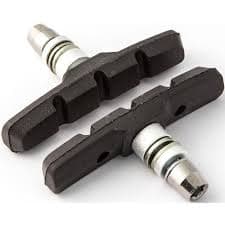
Keep Safe Cycling: Change Your Bike Brake Pads
Cycling, whether for leisure, fitness, or commuting, offers numerous benefits and joys. However, the condition of your bicycle can significantly affect both your performance and safety. One of the most critical components to regularly check and maintain are your brake pads. Understanding the importance of changing worn-out bicycle brake pads can make a significant difference in your cycling experience. Here's why it's essential and how you can go about it.
Why Change Your Brake Pads?
Safety First
The primary reason to keep your brake pads in top condition is safety. Worn-out brake pads can significantly increase your stopping distance, putting you at risk, especially in emergency situations. Ensuring your brake pads are in good condition helps you maintain control over your bike, whether you're navigating through traffic, descending a steep hill, or dodging obstacles on a trail.
Performance Enhancement
Good braking power is not just about stopping efficiently; it also affects your overall riding performance. With well-maintained brake pads, you can confidently approach turns and descents, knowing you can adjust your speed precisely. This confidence allows for a smoother, faster, and more enjoyable ride.
Protect Your Wheels
Worn brake pads can damage your bike's wheels. As the pads wear down, metal parts or overly hardened material may come into contact with the rim, causing scratches or dents. This not only affects your bike's performance but can also lead to costly repairs or replacements.
When to Change Your Brake Pads
Knowing when to change your brake pads is crucial. Here are some signs to look out for:
- Visual Wear: Most brake pads have wear indicators, such as lines or holes, that disappear as the pad wears down. If these indicators are gone, it's time for a change.
- Reduced Braking Power: If you notice a decrease in your braking efficiency or if your brakes feel "spongy," it might be due to worn pads.
- Unusual Noises: Squealing or grinding noises during braking are clear indicators that your brake pads need attention.
How to Change Your Brake Pads
Changing your brake pads is a straightforward process that you can often do at home with basic tools. Here's a simplified guide:
- Gather Your Tools: You'll typically need a set of Allen keys or a specific brake pad removal tool, depending on your bike's brake system.
- Remove the Wheel: This makes it easier to access the brake pads.
- Remove the Old Pads: Open the brake caliper and slide out the old pads. Note how they were installed to replicate it with the new pads.
- Clean the Caliper: Before installing new pads, clean the caliper and the area around it to ensure no dirt affects your braking.
- Install New Pads: Slide the new pads into place, ensuring they're correctly oriented and securely fastened.
- Adjust the Brake: Depending on your brake system, you may need to adjust the tension and alignment to ensure optimal performance.
- Test Your Brakes: Before heading out, test your brakes in a safe area to ensure they're working correctly.
Conclusion
Regularly checking and changing your bicycle's brake pads is a simple yet crucial part of maintaining your bike. Not only does it ensure your safety, but it also enhances your riding experience and protects your investment. By keeping an eye on the condition of your brake pads and knowing how to change them, you can enjoy worry-free rides and keep your focus on the joy of cycling.