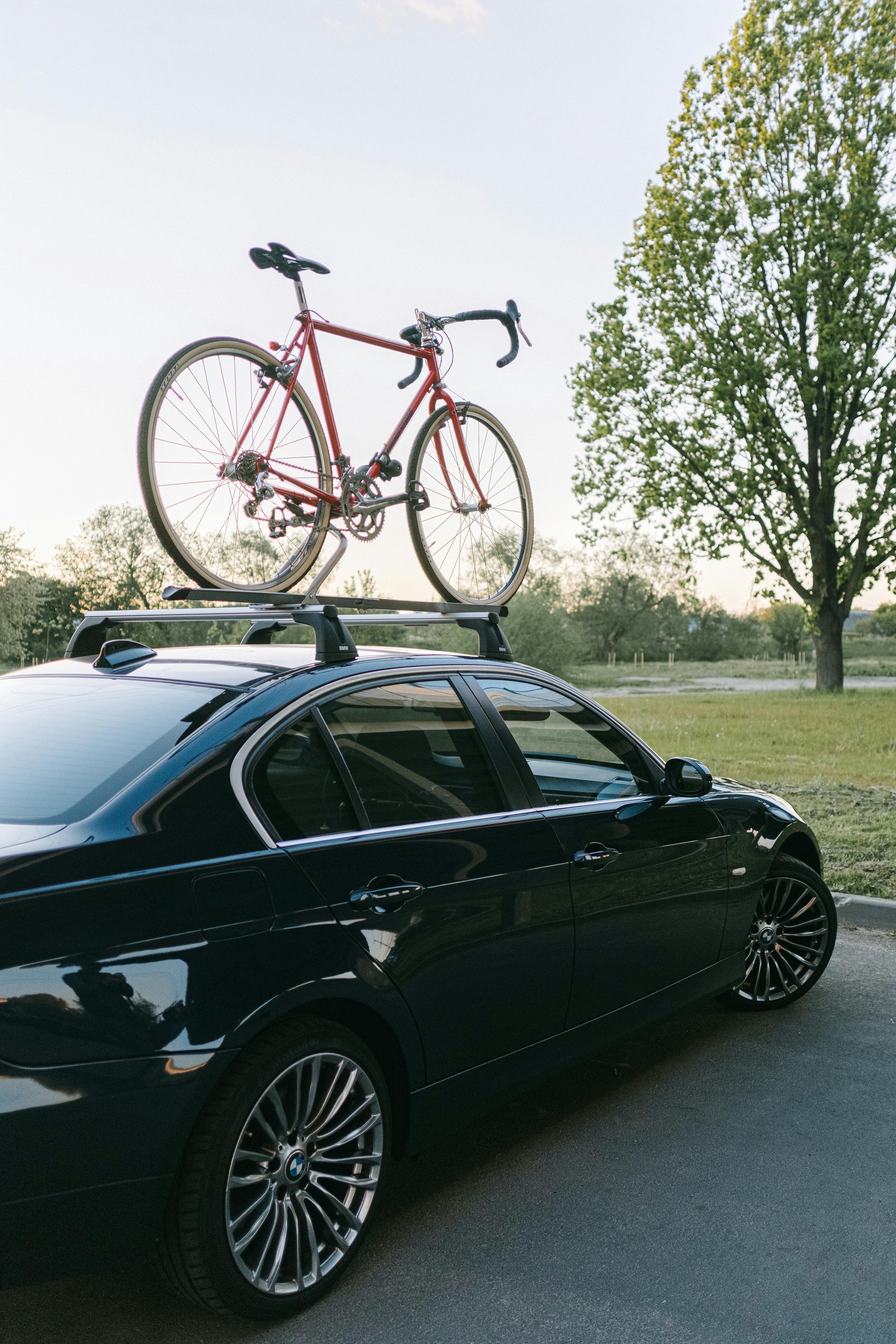
How to Install a Hitch-Mounted Rack: A Step-by-Step Guide
Installing a hitch-mounted rack on your vehicle can enhance your outdoor adventures by allowing you to easily transport bikes, cargo, and other equipment. Whether you're planning a biking trip or need extra space for luggage, a hitch-mounted rack provides a practical solution. Here’s a detailed guide on how to install one, ensuring you’re ready to hit the road safely and efficiently.
What You Need
Before you begin the installation process, make sure you have the following tools and components:
- Hitch-Mounted Rack: Choose one that fits your vehicle’s hitch size and meets your load requirements.
- Wrench Set: Needed for tightening bolts and nuts.
- Hitch Pin: Secures the rack to the hitch receiver.
- Measuring Tape: Helps ensure the rack is centered.
- Level: To check that the rack is perfectly horizontal.
- Light Kit (if necessary): For racks that might obscure the vehicle’s tail lights.
Step-by-Step Installation
Step 1: Check Your Hitch
- Type and Capacity: Ensure your vehicle has a hitch receiver and that it matches the rack’s specifications. Most racks are compatible with either a 1.25-inch or a 2-inch receiver.
- Condition: Inspect the hitch receiver for any signs of rust or damage.
Step 2: Assemble the Rack
- Follow the manufacturer’s instructions to assemble the rack. This typically involves attaching the main frame to the support arms and securing them with bolts and nuts.
- Tip: It’s easier to assemble the rack on the ground or a large table.
Step 3: Attach the Rack to the Hitch
- Lift the assembled rack and slide it into the hitch receiver on your vehicle.
- Align the hole in the rack’s shank with the hitch pin hole on the receiver.
- Insert the hitch pin and secure it with a clip or lock to prevent the rack from sliding out.
Step 4: Ensure Stability
- Gently shake the rack to check for any movement. If it wobbles, consider using an anti-rattle device or tightening the bolts further.
- Use a level to ensure the rack is horizontally aligned.
Step 5: Load Test
- Place a light load on the rack and drive around your neighborhood to test the setup. Listen for any unusual noises and check the stability.
- Adjust as necessary before embarking on a longer trip.
Step 6: Install Lighting (if necessary)
- If the rack blocks your vehicle’s tail lights, install an auxiliary light kit on the rack to ensure visibility and compliance with traffic laws.
Safety Tips
- Check Load Limits: Never exceed the weight capacity of your hitch or rack to avoid damage and ensure safe driving.
- Regular Inspections: Before each use, inspect the rack and hitch for any signs of wear or damage.
- Secure Cargo: Use straps or a cargo net to secure items to the rack, preventing movement during transit.
Conclusion
Installing a hitch-mounted rack is a straightforward process that can significantly increase your vehicle's carrying capacity. By following these steps, you can ensure a safe and secure installation, ready for whatever adventure lies ahead.
For further assistance or if you encounter any issues during installation, remember that Mavyn offers both AI and human expert help services. Chat with Mavyn GPT or connect with a human expert to get personalized answers to your questions.