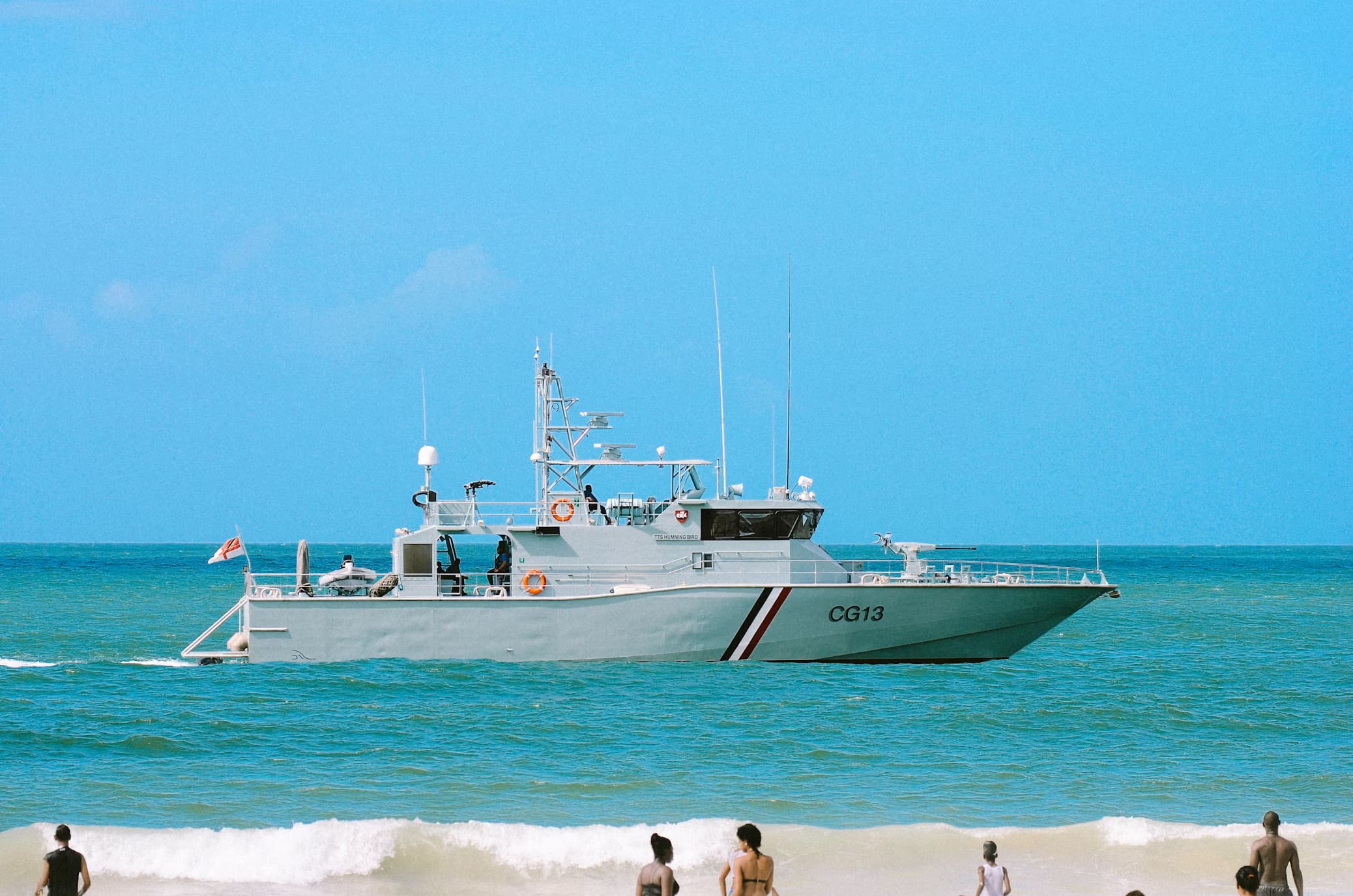
High-Speed Patrol Vessels: Classifications and Capabilities
High-speed patrol vessels are crucial assets in maritime security, used by navies, coast guards, and law enforcement agencies worldwide. These vessels are designed for various tasks including border patrol, anti-smuggling operations, fisheries protection, and search and rescue missions. Understanding the different classifications and capabilities of these vessels can provide insights into their strategic importance and operational roles.
1. Classifications of High-Speed Patrol Vessels
High-speed patrol vessels can be classified based on their size, speed, armament, and the nature of their deployment. Here are the main types:
a. Fast Patrol Boats
- Size: Typically under 50 meters in length.
- Speed: Can reach speeds in excess of 45 knots.
- Armament: Lightly armed with machine guns and sometimes short-range missiles.
- Example: The U.S. Navy’s Cyclone-class Patrol Ships.
b. Offshore Patrol Vessels (OPVs)
- Size: Larger than fast patrol boats, usually between 70 to 120 meters.
- Speed: Generally capable of achieving speeds up to 25 knots.
- Armament: Equipped with a more extensive array of weaponry, including cannons and advanced electronic surveillance systems.
- Example: The UK’s River-class offshore patrol vessels.
c. Coastal Patrol Vessels
- Size: Smaller than OPVs, often around 30 to 50 meters in length.
- Speed: Designed for high speeds, typically around 30 knots.
- Armament: Light armament similar to fast patrol boats.
- Example: The U.S. Coast Guard’s Sentinel-class cutters.
2. Capabilities of High-Speed Patrol Vessels
The capabilities of high-speed patrol vessels are defined by their design and equipment, which enable them to perform a variety of roles:
a. Surveillance and Reconnaissance
- Equipped with advanced radar and sensor systems to monitor vast areas of maritime territory.
- Use of drones and aerial surveillance technology to enhance their reconnaissance capabilities.
b. Search and Rescue Operations
- High-speed capabilities allow for rapid response to emergency situations at sea.
- Often equipped with medical facilities to provide immediate care.
c. Anti-Piracy and Anti-Smuggling Operations
- High maneuverability and speed are crucial in chasing down fast-moving targets.
- Use of onboard security teams and interception tactics to combat threats.
d. Environmental Protection
- Monitoring and enforcement of environmental regulations in protected maritime areas.
- Capable of oil spill response and containment operations.
Shop Marine Safety & Flotation Devices Now
3. Technological Advancements
- Integration of AI and unmanned systems for enhanced operational efficiency.
- Use of hybrid propulsion systems for better fuel efficiency and reduced environmental impact.
4. Strategic Importance
- Essential for maintaining maritime security and sovereignty.
- Act as a deterrent against illegal activities and enhance the maritime domain awareness of a nation.
High-speed patrol vessels are indispensable in the modern naval and coast guard fleets, offering versatility and rapid response capabilities. Their continued evolution and adaptation to new technologies signify their enduring value in securing maritime interests and enhancing naval operations.
Shop Boat Docking & Anchoring Equipment Now
For more detailed insights into maritime security technologies and vessel capabilities, connect with Mavyn’s AI or our human experts. Whether you need in-depth technical data or strategic advice, Mavyn provides the expertise you need.