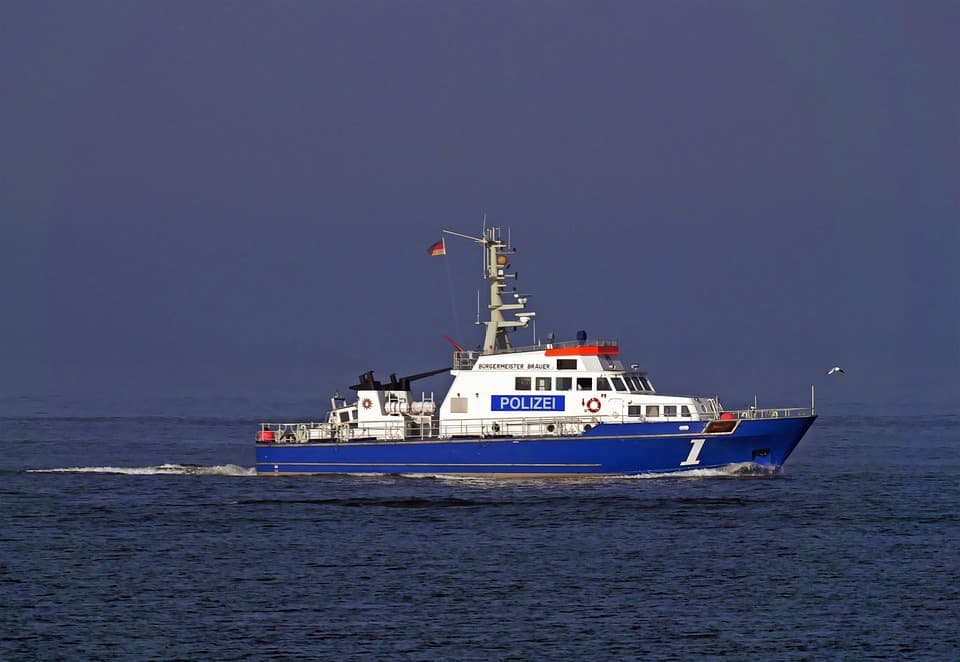
Understanding the Use and Design of Police Patrol Boats
Police patrol boats are specialized vessels designed for law enforcement duties on waterways. These boats are crucial for a range of operations including search and rescue missions, border security, and crime prevention on water bodies. This article delves into the design features, uses, and operational strategies of police patrol boats, providing insights into how these vessels maintain safety and order on the waters.
Shop Boat Docking & Anchoring Equipment Now
Key Features of Police Patrol Boats
Police patrol boats are equipped with various features that enhance their functionality and efficiency in law enforcement operations. Here are some of the key features:
1. Advanced Navigation Systems
- GPS and Radar: Essential for navigation and locating objects or individuals in poor visibility conditions.
- Sonar Systems: Used for underwater detection and terrain mapping.
2. High-Performance Engines
- Power and Speed: Police boats are equipped with powerful engines that allow high-speed pursuits and quick response times.
- Fuel Efficiency: Modern engines are also designed to be more fuel-efficient to extend operational range.
Shop Boat Trailer Parts & Accessories Now
3. Communication Equipment
- Radio and Satellite Communications: Ensure seamless communication with other vessels and shore-based operations.
- Public Address Systems: Used for broadcasting messages to other boats or individuals near the water.
4. Safety and Rescue Equipment
- Life Rafts and Jackets: Essential for rescue operations.
- Firefighting Gear: Some patrol boats are equipped with pumps and hoses to combat fires on or near the water.
5. Surveillance and Security Features
- CCTV Cameras: Provide real-time surveillance and recording capabilities.
- Boarding Equipment: Specialized gear for boarding other vessels when necessary.
Uses of Police Patrol Boats
The versatility of police patrol boats allows them to be deployed in a variety of missions:
1. Law Enforcement
- Patrolling: Regular patrols to deter criminal activities like smuggling and illegal fishing.
- Interception: Engaging in pursuits to intercept suspect vessels.
2. Search and Rescue
- Emergency Response: Quick deployment during accidents or disasters.
- Medical Assistance: Providing immediate medical help or evacuation.
3. Environmental Monitoring
- Pollution Control: Monitoring and addressing environmental pollution incidents.
- Wildlife Protection: Enforcing regulations to protect marine life.
4. Public Relations and Education
- Community Engagement: Participating in public events to educate about water safety.
- Training Exercises: Collaborating with other agencies for joint training operations.
Operational Strategies
Effective use of police patrol boats involves strategic planning and coordination:
1. Routine Patrols
- Scheduled patrols in key areas to maintain a visible law enforcement presence.
2. Targeted Operations
- Operations based on intelligence to tackle specific threats or incidents.
3. Interagency Collaboration
- Working with other law enforcement and emergency response teams to enhance effectiveness.
4. Continuous Training
- Regular training for crew members to handle various scenarios and equipment proficiently.
Shop Boat Steering Equipment Now
Conclusion
Police patrol boats are a critical asset in the arsenal of law enforcement agencies tasked with maintaining safety and security on waterways. Their specialized design and equipment enable them to perform a wide range of operations, from high-speed chases to delicate search and rescue missions. Understanding these vessels' capabilities and strategic use helps in appreciating the complex nature of maritime law enforcement.
For more detailed information or specific inquiries about police patrol boats, you can chat with Mavyn GPT or connect with a human expert at Mavyn, where we offer both AI and human expert help services to answer all your questions.