Growing Dwarf Lemon Trees: A Complete Guide
Dwarf lemon trees are a popular choice for those who want the freshness and beauty of citrus trees but have limited space. These miniature trees can thrive indoors or in small outdoor gardens, making them perfect for urban dwellers or anyone looking to add a bit of zest to their home gardening projects. Here’s your complete guide to growing and caring for dwarf lemon trees, brought to you by Mavyn.
What Are Dwarf Lemon Trees?
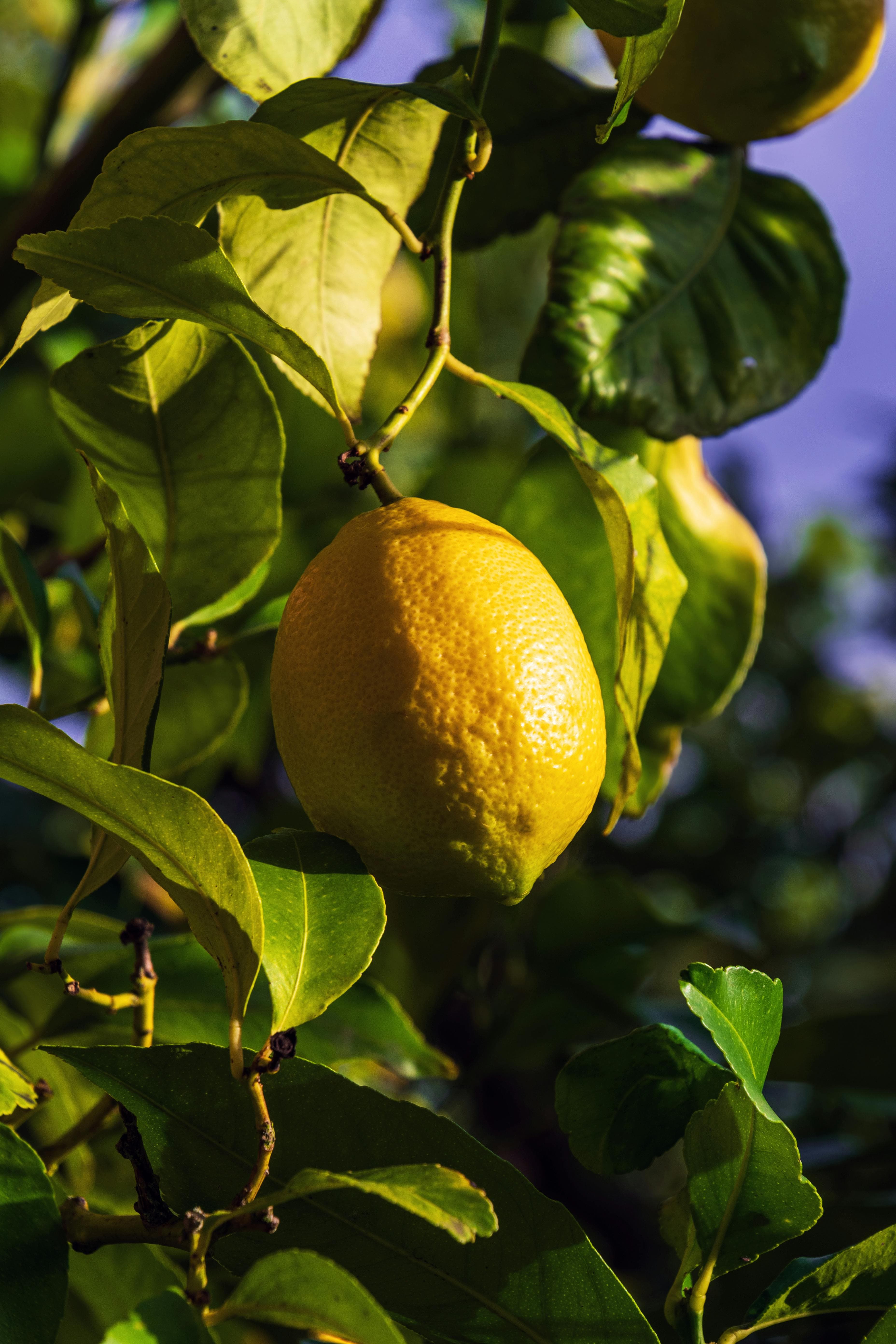
Dwarf lemon trees are compact versions of standard lemon trees, genetically modified or grafted onto rootstocks that limit their growth. Typically, they grow between 4 to 8 feet tall, which is much smaller compared to their full-sized counterparts that can reach up to 20 feet. Despite their small size, dwarf lemon trees produce full-sized lemons and are known for their fragrant flowers and glossy, evergreen leaves.
Benefits of Growing Dwarf Lemon Trees
- Space Efficiency: Perfect for balconies, patios, or small gardens.
- Indoor and Outdoor Versatility: They can be grown inside with adequate light or outdoors in moderate climates.
- Aesthetic Appeal: Adds a refreshing touch of greenery and vibrancy to any space.
- Fruit Production: Enjoy home-grown lemons for cooking, drinks, or natural remedies.
How to Care for Your Dwarf Lemon Tree
1. Choosing the Right Pot
- Size: Start with a pot that is 12-18 inches in diameter.
- Material: Ceramic, clay, or plastic with good drainage.
2. Soil and Planting
- Soil Type: Use well-draining, slightly acidic soil.
- Planting: Ensure the root ball is level with the top of the soil when planting.
3. Lighting
- Indoor Growing: Place near a south-facing window where it can receive 8-12 hours of sunlight.
- Outdoor Growing: Choose a sunny spot protected from strong winds.
4. Watering
- Frequency: Water when the top inch of soil feels dry.
- Method: Water deeply but infrequently to promote healthy root growth.
5. Fertilizing
- Schedule: Fertilize every few months with a high-nitrogen citrus-specific fertilizer.
- Application: Follow the instructions on the fertilizer package for the best results.
6. Pruning
- When: Early spring or late winter.
- How: Remove any dead, damaged, or overcrowded branches to encourage growth.
7. Pest Management
- Common Pests: Watch out for aphids, spider mites, and scale.
- Control: Use organic pesticides or introduce natural predators like ladybugs.
Common Problems and Solutions
- Yellowing Leaves: Often a sign of overwatering or poor drainage. Adjust your watering schedule and ensure your pot has adequate drainage.
- Leaf Drop: Can be caused by temperature changes or drafts. Keep the tree in a stable environment.
- No Fruit Production: This could be due to inadequate light or improper fertilization. Ensure your tree gets enough sunlight and nutrients.
Conclusion
Dwarf lemon trees are a delightful addition to any home, offering both decorative and practical benefits. With the right care, you can enjoy the sight and scent of blooming lemons even in the smallest spaces. Remember, whether you need more detailed advice or run into specific issues, Mavyn’s AI and human expert services are here to help. Chat with Mavyn GPT or connect with a human expert to get tailored answers to your gardening questions.
Remember, growing dwarf lemon trees is not just about adding a plant to your space; it's about bringing a slice of nature’s magic into your everyday life. Happy gardening!