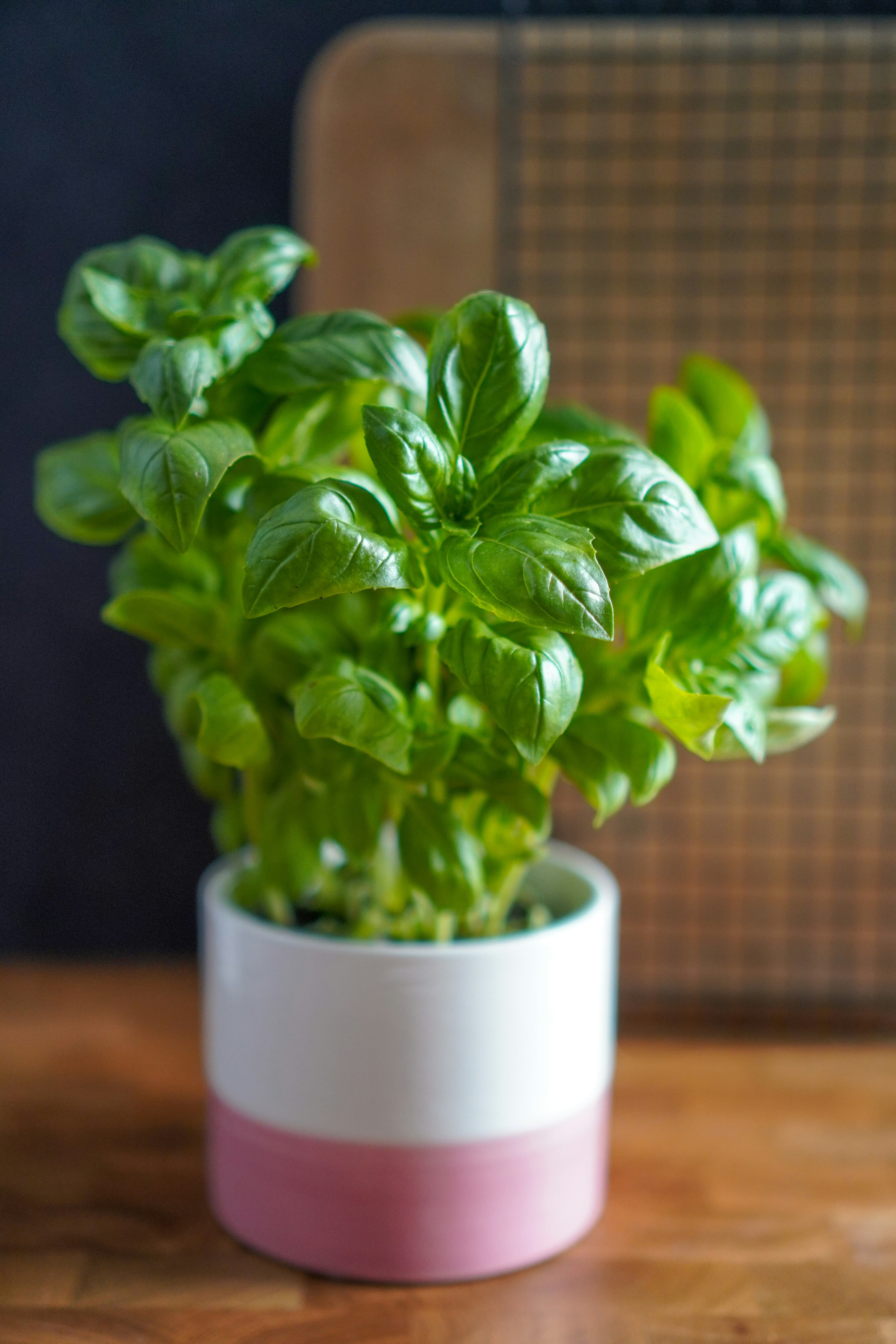
Growing Basil at Home: A Simple Guide
Growing basil at home is both rewarding and practical. This aromatic herb not only enhances your cooking but also beautifies your garden or windowsill. Whether you're a seasoned gardener or a beginner, this guide will help you grow lush, flavorful basil with ease.
Why Grow Basil?
Basil is a versatile herb used in various cuisines worldwide, particularly Italian and Southeast Asian dishes. It's known for its fresh scent and a sweet, peppery flavor that complements many recipes. Growing basil at home ensures you have a fresh supply of this herb, which is far superior in flavor and aroma to the dried basil you find in stores.
Choosing the Right Basil Variety
There are several varieties of basil, each with unique flavors and uses:
- Sweet Basil: The most common type used in Italian dishes like pesto.
- Thai Basil: Has a licorice flavor and is commonly used in Asian cuisine.
- Purple Basil: Adds a pop of color to dishes with its deep violet leaves.
- Lemon Basil: Offers a citrusy twist, perfect for refreshing salads.
Step-by-Step Guide to Growing Basil
1. Selecting Your Planting Method
Basil can be grown indoors in pots or outdoors in a garden. Choose a method based on your space and climate.
Indoor Growing:
- Pot Size: Choose a pot that is at least 8 inches deep to accommodate the roots.
- Soil: Use a well-draining potting mix.
- Location: Place your basil in a spot that receives at least 6 hours of sunlight daily.
Outdoor Growing:
- Timing: Plant basil after the last spring frost when the soil is warm.
- Spacing: Space plants about 12 to 16 inches apart to ensure adequate airflow.
- Soil: Basil prefers rich, moist, well-drained soil with a pH of 6 to 7.
2. Planting Your Basil
- Seeds: Sow seeds 1/4 inch deep and cover lightly with soil. Water gently.
- Seedlings: If starting with seedlings, transplant them into your garden or pot without disturbing the roots too much.
3. Caring for Your Basil
- Watering: Keep the soil consistently moist but not soggy. Water when the top inch of soil feels dry.
- Feeding: Use a liquid fertilizer every 4-6 weeks, or add compost to the soil to provide nutrients.
- Pruning: Regularly pinch off the tips of the plants to encourage bushy growth and prevent flowering, which can make the leaves bitter.
4. Harvesting Basil
- When to Harvest: Pick leaves as needed once the plant is 6-8 inches tall. For larger harvests, cut the entire plant just above the bottom set of leaves.
- How to Harvest: Use scissors or your fingers to snip the leaves or stems.
5. Storing Basil
- Short-Term: Store fresh basil in the refrigerator wrapped in a damp paper towel for up to a week.
- Long-Term: Freeze basil leaves in an airtight container or make pesto and store it in the freezer.
Common Problems and Solutions
- Yellowing Leaves: Usually a sign of overwatering. Let the soil dry out before watering again.
- Wilting Plants: Could be due to lack of water or root rot from too much water. Adjust your watering schedule accordingly.
- Leaf Spots: Keep leaves dry and ensure good air circulation to prevent fungal diseases.
Growing basil at home is a simple and satisfying process that rewards you with a bounty of fresh, aromatic leaves. Whether in a pot on your windowsill or in a sunny garden spot, basil is a delightful addition to your home gardening projects. Enjoy the fresh taste of home-grown basil in your next culinary creation!