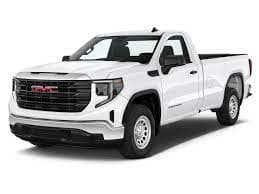
GMC Sierra Troubleshooting Guide
The GMC Sierra is known for its robust performance and reliability. However, like any vehicle, it can encounter issues. This guide will walk you through troubleshooting some of the most common problems faced by GMC Sierra owners. Whether it's engine trouble, electrical glitches, or transmission woes, we've got you covered with practical tips to get your Sierra back in top shape.
Engine Problems
1. Hard Starting or No Start
- Check the Battery: A weak or dead battery is a common cause. Ensure it's fully charged and terminals are clean and tight.
- Fuel System: Inspect for a clogged fuel filter or issues with the fuel pump. A lack of fuel reaching the engine can prevent starting.
- Ignition System: Faulty spark plugs or a bad ignition coil can lead to starting issues. Check and replace these components if necessary.
2. Overheating
- Coolant Level: Ensure the coolant level is adequate. Low levels can lead to overheating.
- Radiator and Hoses: Check for leaks or blockages. A compromised cooling system can cause the engine to overheat.
- Thermostat: A stuck thermostat might be the culprit. Replacing it can solve the problem.
Electrical Issues
1. Malfunctioning Lights
- Bulbs and Fuses: Start by checking if the bulbs are burnt out or if a fuse has blown. These are easy fixes.
- Wiring: Loose or damaged wiring can lead to light failures. Inspect and repair any faulty wiring.
2. Dashboard Warning Lights
- Diagnostic Scan: Use an OBD-II scanner to read the error codes. This can pinpoint specific issues.
- Battery and Alternator: If the battery or alternator warning lights are on, test both to ensure they're functioning correctly.
Transmission Problems
1. Difficulty Shifting Gears
- Transmission Fluid: Low or dirty fluid can cause shifting issues. Check the level and condition of your transmission fluid and replace if necessary.
- Linkage: Inspect the shift linkage for damage or misalignment. Adjustments or replacements may be needed.
2. Slipping Gears
- Fluid Pressure: Low fluid pressure can lead to gear slipping. This might require professional diagnosis and repair.
- Clutches and Bands: Worn clutches or bands inside the transmission can also cause slipping. These components may need to be replaced.
Suspension and Steering Issues
1. Unusual Noises
- Bushings and Bearings: Worn bushings or bearings can cause squeaking or grinding noises. Inspect and replace as needed.
- Power Steering Fluid: Low power steering fluid can lead to whining noises. Check the fluid level and top up if necessary.
2. Poor Handling
- Tire Pressure: Incorrect tire pressure can affect handling. Ensure all tires are inflated to the manufacturer's recommended levels.
- Alignment: Misalignment can cause the vehicle to pull to one side. Have your alignment checked and adjusted if needed.
Conclusion
While the GMC Sierra is a dependable truck, encountering issues is not uncommon. By following this troubleshooting guide, you can address many common problems yourself. However, if you're unsure or the issue persists, it's always best to consult with a professional mechanic. Regular maintenance and timely repairs are key to keeping your GMC Sierra running smoothly for years to come.