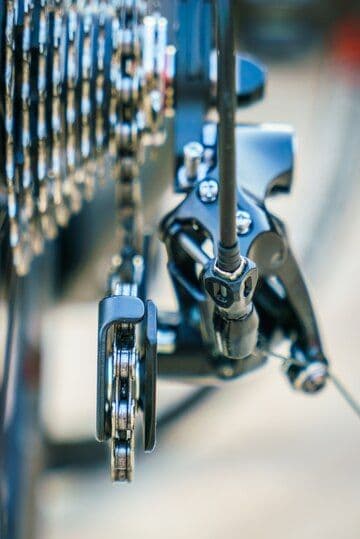
Fixing Gear Slippage: A Cyclist's Guide
Gear slippage can be a frustrating issue for cyclists, causing a loss of power and potentially leading to dangerous situations. Fortunately, with a bit of knowledge and some basic maintenance skills, you can prevent and fix gear slippage on your bike. This guide will walk you through the steps to identify, prevent, and resolve gear slippage, ensuring a smoother and safer ride.
Understanding Gear Slippage
Gear slippage occurs when the chain fails to engage properly with the sprockets, causing it to slip under load. This can happen for several reasons, including worn or damaged components, improper adjustment, or lack of lubrication.
Common Causes of Gear Slippage:
- Worn or damaged chain: Over time, chains stretch and wear out, reducing their ability to grip the sprockets.
- Worn sprockets: Similar to chains, sprockets can wear down, making it difficult for the chain to hold.
- Improperly adjusted derailleurs: Derailleurs that are not correctly adjusted can lead to poor shifting and slippage.
- Lack of lubrication: A dry or dirty chain can cause increased friction and wear, leading to slippage.
Preventing Gear Slippage
Prevention is key when it comes to gear slippage. Regular maintenance and checks can help you avoid this issue altogether.
Maintenance Tips:
- Regular cleaning and lubrication: Keep your chain clean and well-lubricated to reduce wear and improve performance.
- Check for wear: Regularly inspect your chain and sprockets for signs of wear. Replace them if necessary.
- Proper adjustment: Ensure your derailleurs are correctly adjusted. Consult your bike's manual or a professional mechanic if you're unsure how to do this.
Fixing Gear Slippage
If you're experiencing gear slippage, follow these steps to diagnose and fix the issue:
Step 1: Identify the Cause
Inspect your chain, sprockets, and derailleurs for any signs of wear, damage, or improper adjustment. This will help you determine the root cause of the slippage.
Step 2: Replace Worn Components
If your chain or sprockets are worn out, replace them. It's often a good idea to replace both the chain and sprockets at the same time to ensure optimal performance.
Step 3: Adjust Your Derailleurs
If the components are in good condition, the issue may be with your derailleur adjustment. Follow your bike manufacturer's guidelines to adjust the derailleurs correctly.
Step 4: Test Your Bike
After making adjustments or replacements, take your bike for a test ride to ensure the issue has been resolved. Pay close attention to the shifting performance under various conditions.
Conclusion
Gear slippage can be a nuisance, but with the right knowledge and tools, it's a problem that can be easily fixed. Regular maintenance, including cleaning, lubrication, and component checks, can prevent most issues before they start. If you do encounter gear slippage, take the time to diagnose and fix the problem, ensuring your rides are smooth and enjoyable. Remember, if you're ever in doubt, consult a professional mechanic to help diagnose and fix any issues with your bike.