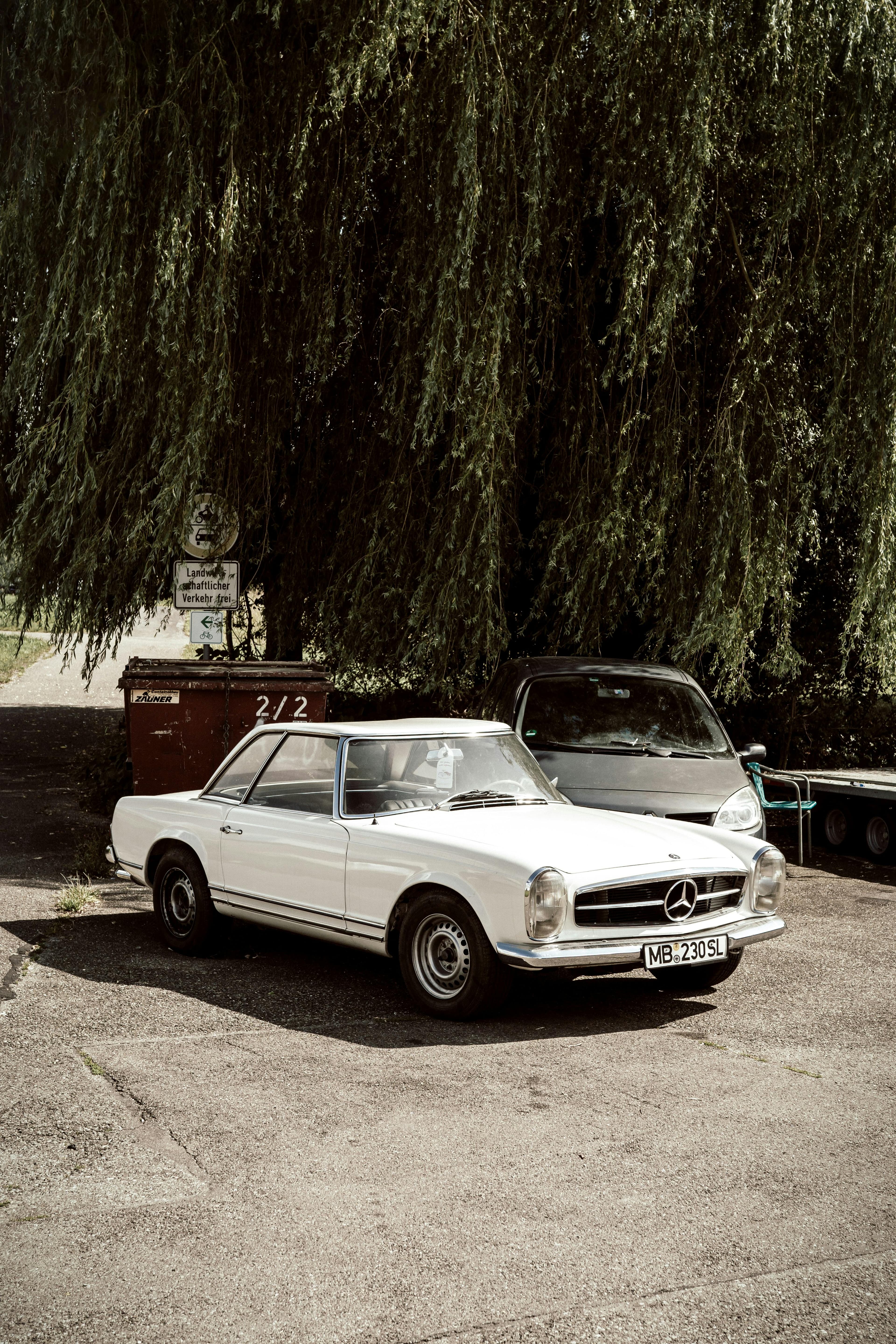
Fixing Drum Brake Problems in Vintage Cars
Vintage cars are treasures that encapsulate the history and technological advancements of their time. However, maintaining them, especially their braking systems, can be a challenge. Drum brakes, common in older cars, often require specific care to keep them functioning properly. In this article, we'll explore common drum brake problems in vintage cars and provide step-by-step solutions to ensure your classic vehicle remains safe and operational.
Common Drum Brake Problems
-
Worn Brake Shoes: The brake shoes are the part of the drum brakes that press against the drum to stop the car. Over time, these can wear down and reduce braking efficiency.
-
Stuck Brake Drums: Brake drums can become stuck due to rust or debris, making it difficult to remove them during maintenance.
-
Incorrectly Adjusted Brakes: Drum brakes need regular adjustment to maintain proper contact between the brake shoes and the drum.
-
Leaking Wheel Cylinders: The wheel cylinders can leak brake fluid, which impairs the braking ability.
-
Noisy Brakes: Squeaking or grinding noises during braking are common issues that indicate that the brakes may need attention.
Step-by-Step Solutions
1. Replacing Worn Brake Shoes
- Tools Needed: Jack, lug wrench, screwdriver, brake spring tool.
- Steps:
- Lift the car using a jack and secure it with jack stands.
- Remove the wheel.
- Take off the brake drum. If it's stuck, tap gently with a hammer around the edges to loosen it.
- Remove the old brake shoes using the brake spring tool.
- Install new brake shoes, ensuring they are the correct size and type for your vehicle.
- Reassemble the drum and wheel, then lower the car.
2. Adjusting Drum Brakes
- Tools Needed: Brake spoon, jack, lug wrench.
- Steps:
- Lift and secure the car.
- Remove the wheel and brake drum.
- Locate the adjustment screw behind the brake assembly.
- Turn the brake spoon to expand the brake shoes until you feel slight resistance when turning the drum by hand.
- Reassemble and test drive at low speed to ensure proper adjustment.
3. Fixing Leaky Wheel Cylinders
- Tools Needed: Jack, lug wrench, screwdriver, new wheel cylinder.
- Steps:
- Lift and secure the car.
- Remove the wheel and brake drum.
- Disconnect the brake line from the wheel cylinder.
- Remove the retaining bolts and replace the wheel cylinder.
- Reconnect the brake line, ensuring no leaks.
- Bleed the brake system to remove air from the lines.
- Reassemble and test the brakes.
4. Addressing Noisy Brakes
- Possible Causes: Worn shoes, debris in the drum, misalignment.
- Solutions:
- Inspect and replace worn brake shoes.
- Clean the drum thoroughly to remove any debris.
- Check the alignment of the brake shoes and adjust as necessary.
Conclusion
Maintaining the drum brakes of your vintage car doesn't have to be a daunting task. With the right tools and knowledge, you can address common issues like worn brake shoes, stuck drums, and leaky cylinders. Regular maintenance and timely repairs are key to preserving the performance and safety of your classic vehicle.
For further assistance or more complex issues, consider connecting with a human expert at Mavyn, or chat with Mavyn GPT for quick guidance and support tailored to your needs.