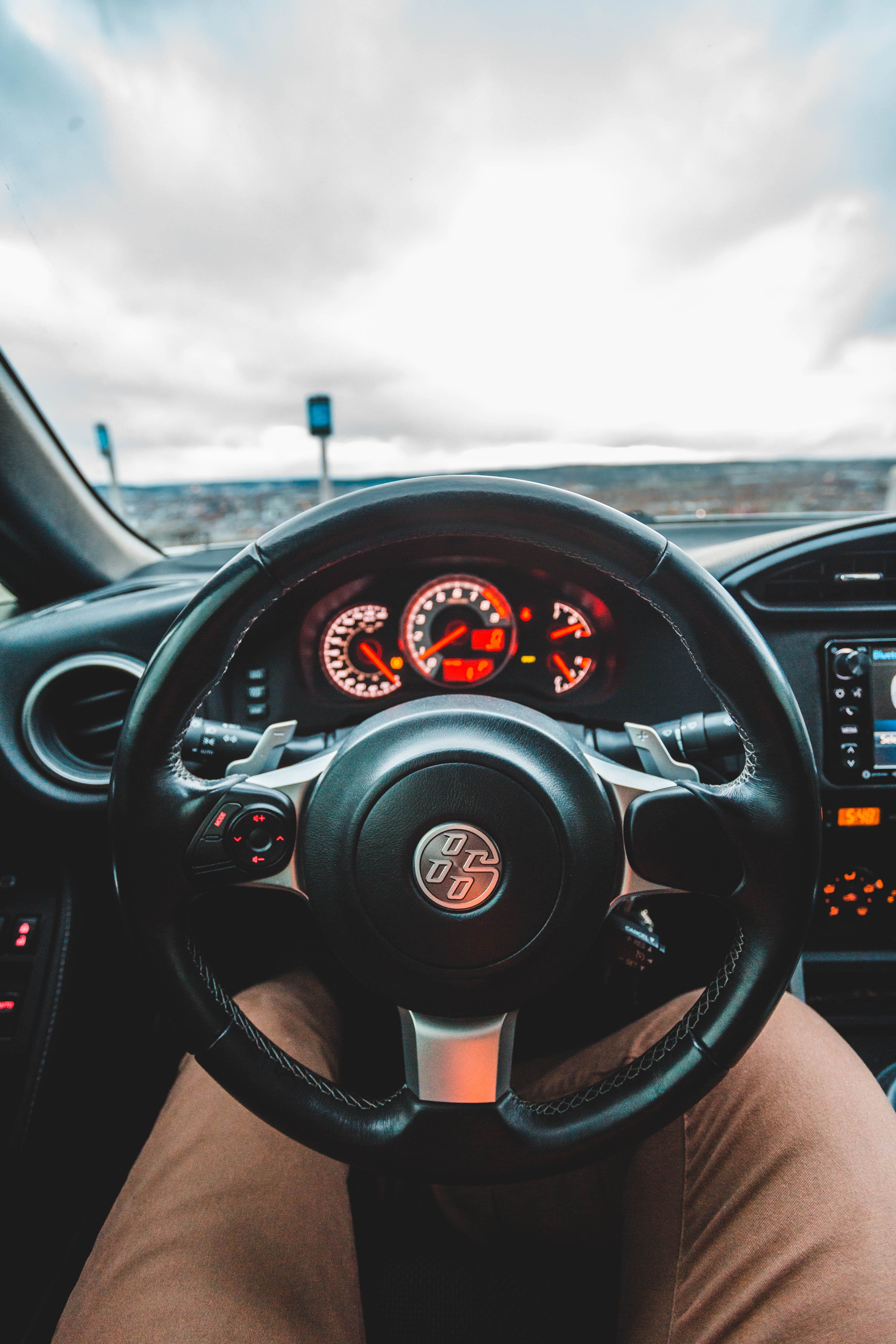
Fixing Dashboard Warning Lights: A Guide
Dashboard warning lights are your car's way of communicating with you. These lights can indicate anything from a minor issue that requires your attention to a serious problem that needs immediate action. Ignoring these signals can lead to more significant issues down the line, including costly repairs or even putting your safety at risk. This guide will walk you through the strategies for troubleshooting and fixing dashboard warning lights, ensuring your vehicle remains in top condition.
Understanding Dashboard Warning Lights
Before diving into troubleshooting, it's crucial to understand what different dashboard warning lights mean. While these can vary slightly between vehicle makes and models, some common lights include:
- Check Engine Light: Indicates a problem with the engine or emissions system.
- Oil Pressure Warning: Signals low oil pressure, which could lead to engine damage.
- Battery/Charging Alert: Indicates a problem with the car's charging system.
- Brake System: Indicates an issue with the brake system.
- Temperature Warning: Warns that the engine is overheating.
Troubleshooting Strategies
1. Consult Your Vehicle's Manual
The first step in troubleshooting is to consult your vehicle's manual. It will provide specific information about what each light means for your car model and what steps you should take when they illuminate.
2. Perform a Visual Inspection
Sometimes, the cause of a warning light can be something simple that you can identify through a visual inspection. For example, a loose gas cap can trigger the check engine light. Ensure all caps are tight and inspect for any obvious signs of damage or wear on visible components.
3. Check Fluid Levels
Low fluid levels, such as oil, coolant, or brake fluid, can trigger warning lights. Regularly check these fluids and top them up if necessary, following the guidelines in your vehicle's manual.
4. Use a Diagnostic Scanner
For more complex issues, especially those related to the check engine light, a diagnostic scanner can be invaluable. These devices can be plugged into your car's onboard diagnostics port (OBD-II) to read trouble codes that help pinpoint the problem. Some auto parts stores offer free scanning services, or you can purchase a scanner for home use.
5. Reset the Light to See If It Comes Back On
After addressing the issue, you may need to reset the warning light. This can sometimes be done by disconnecting the car battery for a few minutes, but consult your manual first as this can affect other systems in your car. If the light comes back on after resetting, it indicates a persistent issue that needs further investigation.
When to Seek Professional Help
While many dashboard warning lights can be addressed with basic troubleshooting, some issues require professional attention. If you're unable to identify or fix the problem, or if the warning light indicates a serious issue like brake system failure or engine overheating, it's crucial to seek help from a qualified mechanic. Ignoring these warnings can lead to dangerous driving conditions and expensive repairs.
Conclusion
Dashboard warning lights should never be ignored. By understanding what these lights mean and following a systematic approach to troubleshooting, you can address many common issues yourself. However, when in doubt, always err on the side of caution and consult a professional. Keeping your vehicle well-maintained and heeding its warning signals will ensure it remains safe and reliable for years to come.