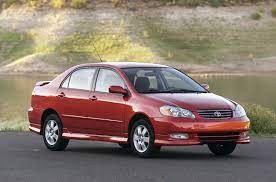
Fixing Common Toyota Corolla Issues
The Toyota Corolla is renowned for its reliability and longevity. However, like any vehicle, it can encounter problems. This guide will help you troubleshoot and address some of the most common concerns that Corolla owners may face.
1. Engine Problems
Symptoms:
- Rough idling
- Loss of power
- Check engine light is on
Troubleshooting:
- Check the spark plugs and ignition coils: These are common culprits for engine misfires. Replacing worn spark plugs or faulty ignition coils can often resolve the issue.
- Inspect the air filter: A clogged air filter can restrict airflow to the engine, affecting its performance. Replace if necessary.
- Scan for error codes: Use an OBD-II scanner to check for any error codes that could indicate specific engine problems.
2. Electrical Issues
Symptoms:
- Battery draining quickly
- Headlights and interior lights dimming
- Power windows operating slowly or not at all
Troubleshooting:
- Check the battery: Ensure the battery terminals are clean and tight. Test the battery's charge and replace it if it's not holding a charge.
- Inspect the alternator: The alternator charges the battery while the car is running. If it's failing, it could cause electrical issues. Testing the alternator's output with a multimeter can confirm its condition.
- Examine fuses and relays: A blown fuse or faulty relay can lead to various electrical problems. Check the vehicle's manual for the location of the fuse box and replace any blown fuses.
3. Transmission Concerns
Symptoms:
- Difficulty shifting gears
- Transmission slipping
- Unusual noises when in gear
Troubleshooting:
- Check the transmission fluid: Low or dirty transmission fluid can cause shifting issues. Ensure the fluid is at the correct level and replace it if it's dirty or smells burnt.
- Use a diagnostic scanner: Modern vehicles can store fault codes related to transmission issues. A diagnostic scan can reveal specific problems that may require professional attention.
4. Braking Problems
Symptoms:
- Squealing or grinding noises when braking
- Brake pedal feels spongy
- Car pulls to one side when braking
Troubleshooting:
- Inspect the brake pads and rotors: Worn brake pads or damaged rotors can cause noise and reduced braking performance. Replace them if necessary.
- Check the brake fluid: Low brake fluid can lead to a spongy pedal feel. Top up the fluid if low and check for leaks in the system.
- Bleed the brakes: Air in the brake lines can also cause a spongy pedal. Bleeding the brakes can remove the air and restore proper brake function.
Conclusion
While the Toyota Corolla is a dependable car, it's not immune to problems. Regular maintenance and timely troubleshooting can prevent minor issues from becoming major headaches. If you're unsure about any procedures or encounter complex problems, it's always best to consult with a professional mechanic. Keeping your Corolla in top condition will ensure it remains reliable for years to come.