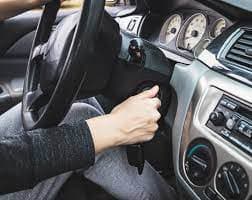
Fixing Car Starter Issues: A Handy Guide
Having trouble getting your car to start can be a frustrating experience, especially when you're in a hurry or far from home. The starter system is a crucial component of your vehicle, and understanding how to troubleshoot common issues can save you time and money. This guide will walk you through some tips for diagnosing and fixing starter problems, helping you get back on the road faster.
Understanding the Starter System
Before diving into troubleshooting, it's essential to understand the basics of how the starter system works. The starter is an electric motor that, when supplied with power from the battery, turns the engine over to start the vehicle. It consists of several key components including the starter motor, solenoid, battery, ignition switch, and starter relay.
Common Symptoms of Starter Problems
- The car does not start, and you hear a clicking noise: This often indicates a dead battery or a problem with the starter solenoid.
- The car does not start, but there are no sounds: This could be due to a dead battery, faulty wiring, or a bad ignition switch.
- The engine turns over slowly and fails to start: This might suggest a weak battery or a failing starter motor.
Troubleshooting Tips
1. Check the Battery
The first step is always to check the battery since it's the power source for the starter. Ensure the battery terminals are clean and tightly connected. You can also test the battery voltage with a multimeter; a healthy battery should read around 12.6 volts.
2. Inspect the Starter Solenoid
The starter solenoid acts as a bridge between the battery and the starter motor. A faulty solenoid may not be able to transfer enough power, leading to starting issues. Listen for a clicking sound when you try to start the car – it's a common indicator of solenoid problems.
3. Examine the Starter Motor
If the battery and solenoid are in good condition, the problem might lie with the starter motor itself. Signs of a failing starter motor include a grinding noise when trying to start the car or a whirring sound without the engine turning over.
4. Check the Ignition Switch
If turning the key in the ignition does nothing, the ignition switch could be the culprit. Test other electrical components in your car (like headlights or dashboard lights); if they work, the issue might be isolated to the ignition switch.
5. Inspect Wiring and Connections
Faulty wiring or loose connections can prevent power from reaching the starter motor. Check all connections between the battery, starter solenoid, and starter motor for corrosion, damage, or looseness.
6. Test the Starter Relay
The starter relay can fail, preventing power from reaching the starter motor. You can test the relay by swapping it with another identical relay in your vehicle (if available) and attempting to start the car.
When to Seek Professional Help
If you've gone through these troubleshooting steps and your car still won't start, it might be time to seek professional help. Auto electricians and mechanics have the tools and expertise to diagnose and fix more complex starter system issues.
Conclusion
Troubleshooting starter problems can seem daunting, but by following these tips, you can identify and possibly fix the issue yourself. Remember, regular maintenance and checks can prevent many starter problems from occurring in the first place. Safe travels!