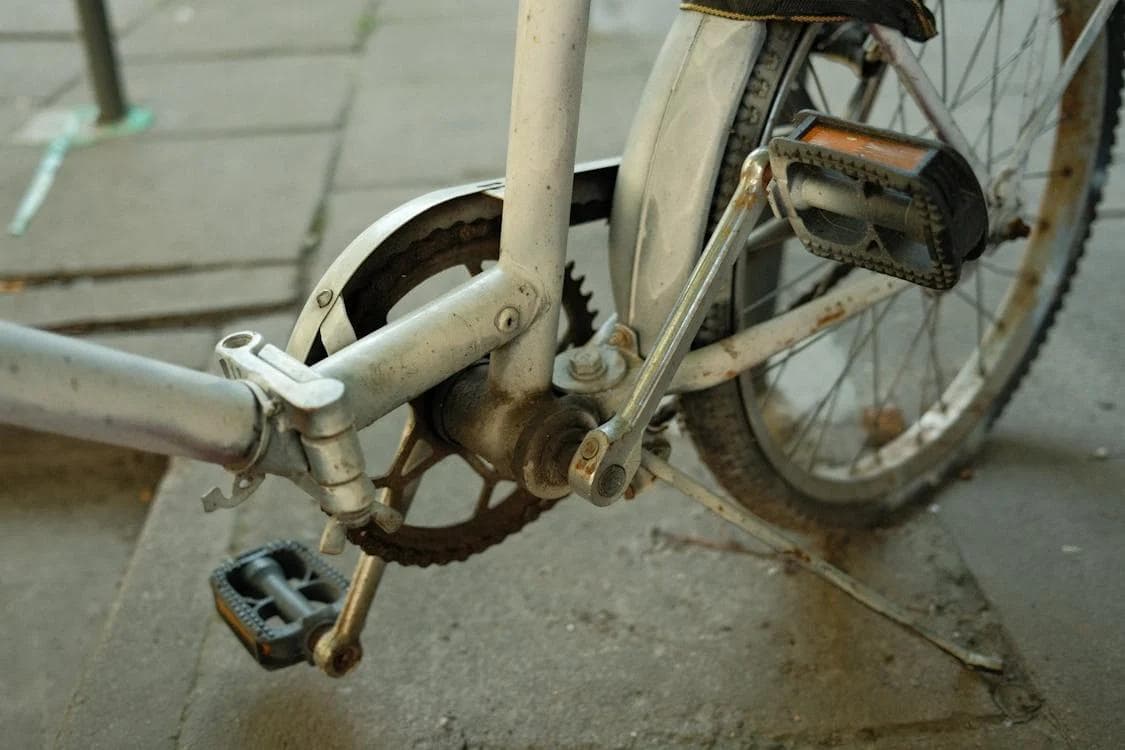
From Novice to Pro - Learning to Fix a Bicycle Flat Tire
Getting a flat tire can put a damper on any cycling trip, but knowing how to fix it can turn you from a novice into a self-sufficient cyclist. This guide will walk you through the process of fixing a flat tire, ensuring you're back on the road or trail in no time.
What You'll Need
Before you start, make sure you have the following tools:
- A spare inner tube or a patch kit
- Tire levers
- A bicycle pump or CO2 inflator
- A wrench (if your bike has bolt-on wheels)
Step 1: Remove the Wheel
First, if you have a quick-release lever, open it. If your bike has bolt-on wheels, use a wrench to loosen the bolts. For rear wheels, shift your gears to the smallest cog to make removal easier.
Front Wheel:
- Open the brake caliper to give the tire more clearance.
- Lift the bike and pull the wheel out.
Rear Wheel:
- Open the brake caliper.
- Lift the rear end of the bike.
- Push the derailleur back and lift the wheel out.
Step 2: Remove the Tire and Inner Tube
- Deflate the tire completely.
- Insert a tire lever under the tire bead and hook it to a spoke.
- Use a second tire lever a few inches away from the first and slide it around the rim to free the tire.
- Once one side is off, remove the inner tube.
Step 3: Find the Cause of the Flat
Before replacing or patching the tube, inspect the tire and rim for:
- Thorns, glass, or other sharp objects.
- Rim damage or sharp edges.
This step is crucial to prevent another flat.
Step 4: Patch or Replace the Inner Tube
To Patch:
- Locate the puncture.
- Roughen the area around the hole with sandpaper.
- Apply the adhesive and wait a few minutes.
- Place the patch firmly over the hole.
To Replace:
- Slightly inflate the new tube to give it shape.
- Insert the valve through the rim valve hole.
- Tuck the tube into the tire.
Step 5: Put the Tire Back On
- Starting at the valve, use your hands to push the tire bead back inside the rim.
- Work your way around the tire, pushing the bead inside the rim.
- Make sure the tube isn't pinched between the tire and rim.
Step 6: Inflate the Tire
Inflate the tire to the recommended pressure, which is usually indicated on the tire's sidewall.
Step 7: Reattach the Wheel
- Place the wheel back into the frame or fork.
- For the rear wheel, make sure the chain is on the smallest cog.
- Tighten the quick-release lever or bolts.
- Close the brake caliper.
Final Check
Before you ride off, do a quick check:
- Spin the wheel to ensure it's not rubbing against the brake pads.
- Check the tire pressure.
Congratulations! You've successfully fixed a flat tire. With practice, this process will become second nature, and you'll be prepared for any flat tire situation on your cycling adventures. Remember, the key to becoming a pro at fixing flats is practice and preparation. Happy cycling!