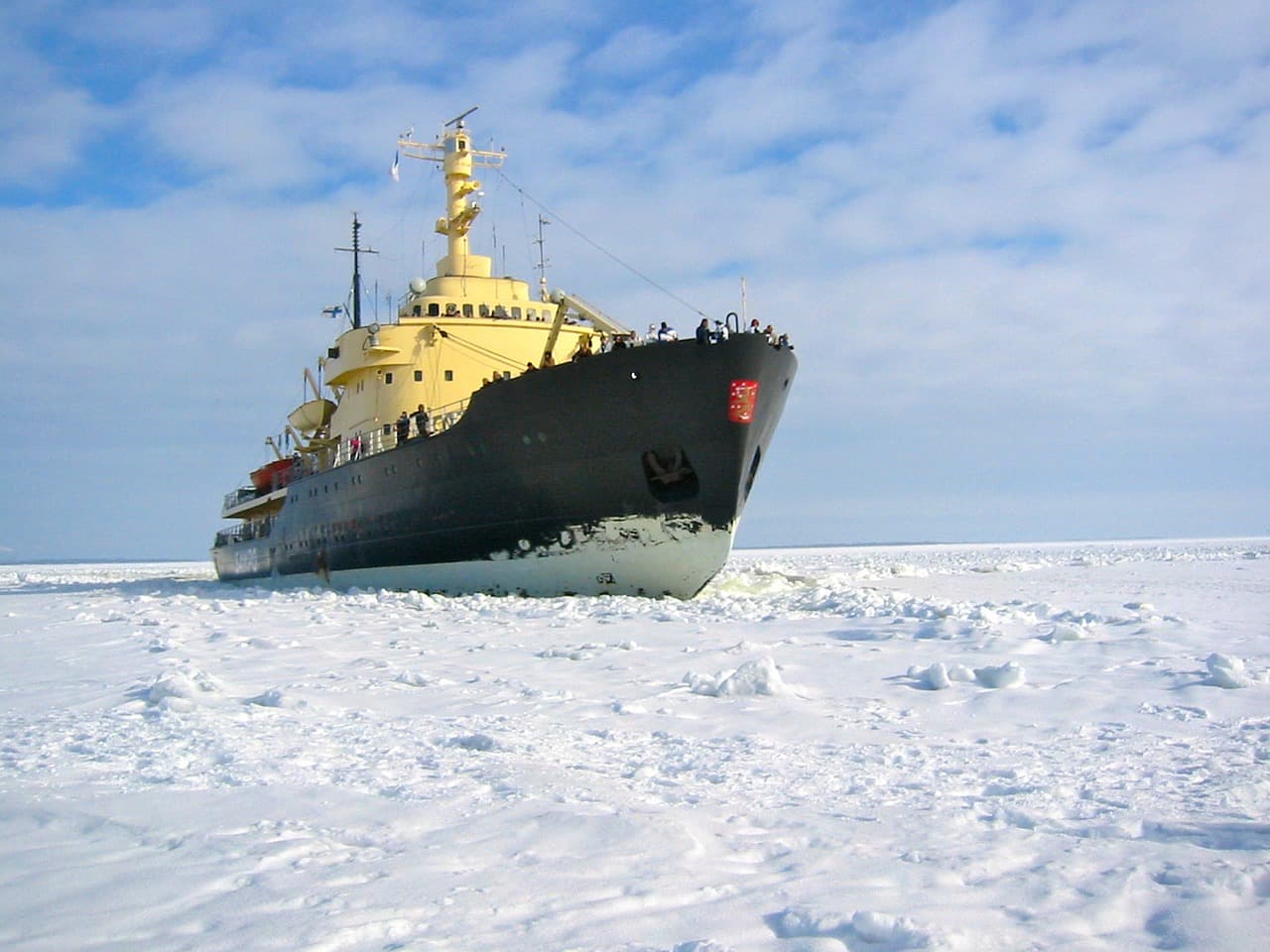
Exploring the Unique Characteristics of Icebreaker Ships
Icebreaker ships are specialized vessels designed to navigate through ice-covered waters, providing safe passage for other boats and facilitating access to remote polar regions. These vessels are crucial for scientific research, resource exploration, and maintaining year-round shipping routes in icy waters. In this article, we delve into the unique characteristics that distinguish icebreaker ships from other maritime vessels.
1. Reinforced Hulls
One of the most distinctive features of an icebreaker is its reinforced hull. Unlike standard ships, icebreakers have hulls made from thicker steel, allowing them to withstand the immense pressures of ice compression.
- Example: The hull of a typical icebreaker can be up to several feet thick, significantly more robust than that of a cargo ship.
2. Ice-Clearing Shape
The shape of an icebreaker's hull is specifically designed to break through ice efficiently. The bow is usually rounded rather than pointed, which helps in lifting the ship slightly so that the weight of the vessel can be used to break the ice.
- Example: The Arktika, a famous Russian icebreaker, features a spoon-shaped bow designed to break ice up to 3 meters thick.
Shop Marine Safety & Flotation Devices Now
3. Powerful Engines
Icebreakers are equipped with extremely powerful engines to navigate through thick ice. These engines provide the necessary force to push the ship forward against significant resistance.
- Example: The Polar Star, the United States' only heavy icebreaker, uses diesel-electric engines combined with gas turbines, delivering up to 75,000 horsepower.
4. Azipod Propulsion Systems
Many modern icebreakers utilize Azipod propulsion systems, which consist of podded propellers that can rotate 360 degrees. This provides superior maneuverability in challenging ice conditions.
- Example: The Finnish icebreaker MSV Nordica uses Azipod units, enhancing its ability to maneuver and break ice effectively.
Shop Boat Docking & Anchoring Equipment Now
5. Heated Decks and Other Structures
To prevent the accumulation of ice on the decks and other critical structures, icebreakers often feature heated surfaces. This ensures safety and operational efficiency by keeping essential areas clear of ice.
- Example: Decks, handrails, and stairways may be equipped with internal heating coils to prevent ice build-up.
6. Ice Radar and Other Navigational Aids
Navigating through ice-laden waters requires advanced radar systems designed to detect ice formations. These radars help the crew in planning the safest and most efficient route through the ice.
- Example: Icebreakers like the Canadian Coast Guard's Louis S. St-Laurent are equipped with dual radar systems for enhanced ice detection.
Shop Boat Trailer Parts & Accessories Now
Conclusion
Icebreaker ships are marvels of maritime engineering, equipped with unique features that enable them to operate in some of the world's most challenging environments. Their robust construction, powerful engines, and advanced navigational aids make them indispensable for polar exploration and maintaining essential shipping lanes.
For further information or to discuss the engineering behind these incredible vessels, you can chat with Mavyn GPT or connect with a human expert at Mavyn. We are here to provide detailed answers and insights into your queries about icebreaker ships and other technological marvels.