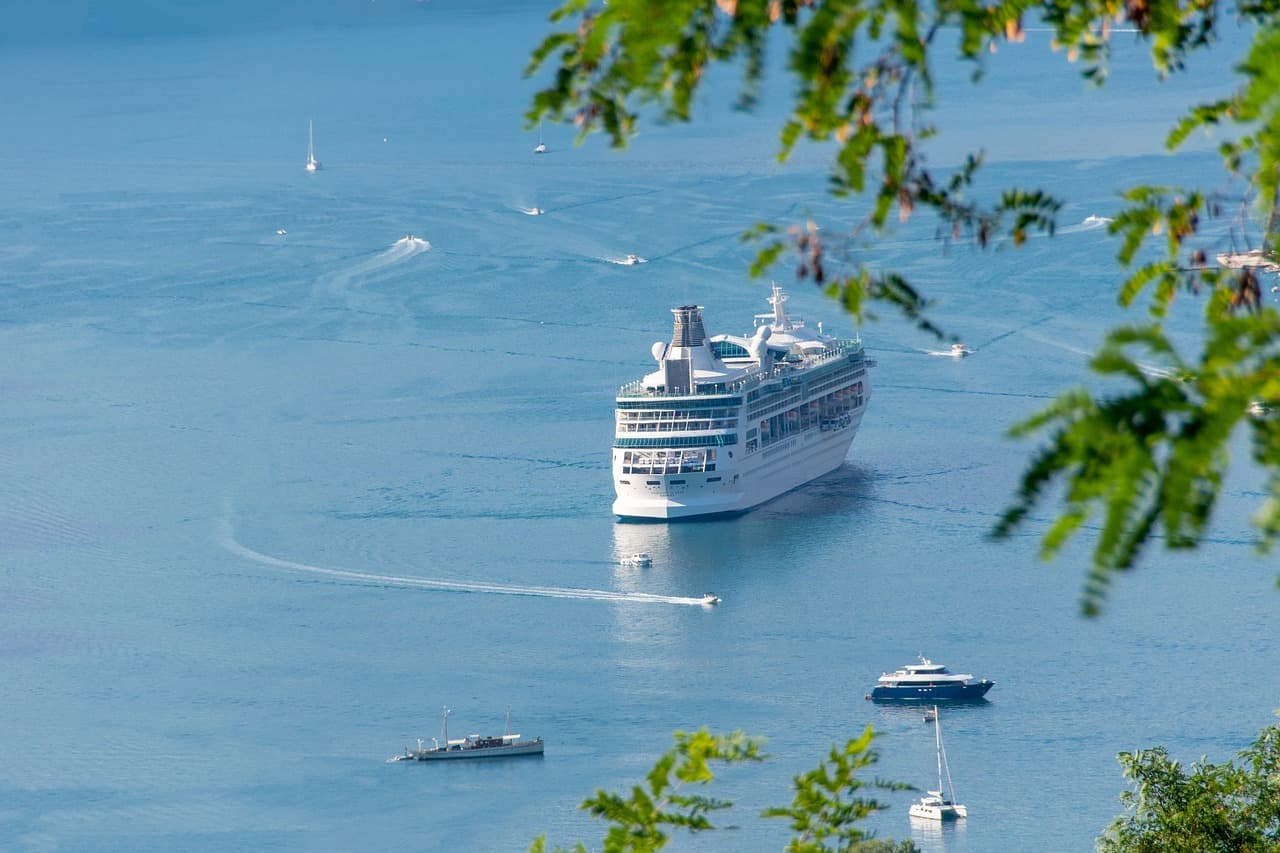
Exploring the Capabilities of High-Speed Ferries
High-speed ferries have revolutionized maritime transport by offering faster, more efficient services that connect cities and countries across bodies of water. These vessels are not only pivotal in reducing travel time but also play a significant role in promoting sustainable maritime transport. In this article, we delve into the capabilities of high-speed ferries, examining their efficiency, technological advancements, and environmental impacts.
Efficiency and Speed
High-speed ferries are designed for rapid transit. Their ability to cruise at speeds significantly higher than conventional ferries reduces travel time and increases the convenience for passengers. Here are some key points regarding their efficiency:
- Reduced Travel Time: High-speed ferries can travel at speeds of up to 55 knots, significantly cutting down journey times compared to traditional ferries.
- High Capacity: Despite their speed, these ferries can carry a large number of passengers and vehicles, making them an efficient choice for mass transit.
- Frequent Departures: With shorter journey times, high-speed ferries offer more frequent departures, increasing travel flexibility for passengers.
Technological Advancements
The technology behind high-speed ferries is continually evolving, incorporating innovations that enhance performance and passenger comfort. Some notable technological features include:
- Advanced Hull Designs: High-speed ferries often feature catamaran or trimaran designs, which provide greater stability and speed.
- Waterjet Propulsion Systems: Many high-speed ferries use waterjet propulsion to achieve greater speeds without the vibrations and noise associated with traditional propellers.
- Dynamic Positioning Systems: These systems allow ferries to maintain their position accurately, which is particularly useful during docking and in rough seas.
Environmental Impact
As the focus on sustainable transport grows, high-speed ferries are increasingly designed with environmental considerations in mind:
- Fuel Efficiency: Newer models are equipped with engines that are more fuel-efficient, reducing the overall environmental footprint.
- Alternative Fuels: Some high-speed ferries are beginning to use alternative fuels such as LNG (Liquefied Natural Gas) or even hybrid systems to further decrease emissions.
- Eco-Friendly Materials: The construction of high-speed ferries now often involves materials that are lighter and more eco-friendly, contributing to better fuel efficiency and lower emissions.
Conclusion
High-speed ferries represent a critical advancement in maritime transport, offering a blend of speed, efficiency, and environmental sustainability. As technology progresses, these vessels continue to evolve, promising even greater benefits and capabilities in the future.
For those interested in exploring more about high-speed ferries or other technological innovations, Mavyn offers expert insights through both AI and human expertise. Whether you choose to interact with Mavyn GPT or connect with a human expert, you can get detailed answers and guidance tailored to your interests and questions.