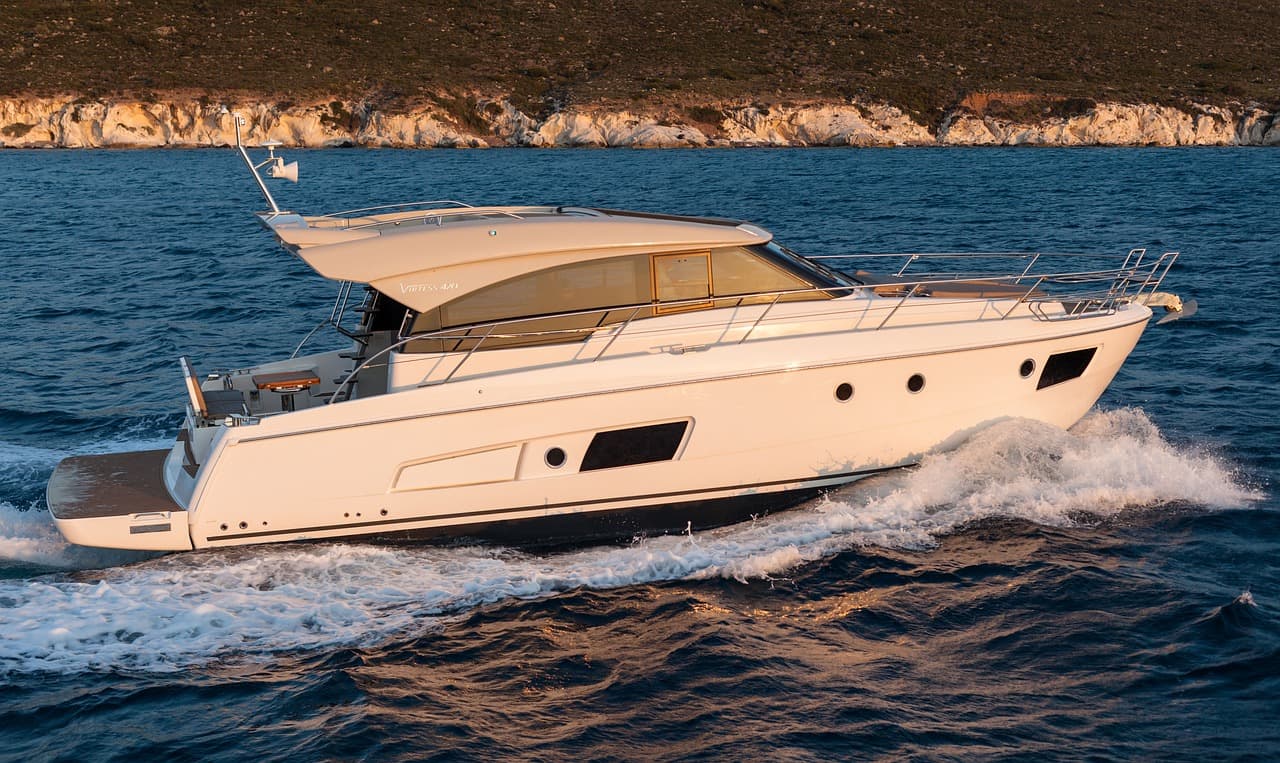
The Evolution of Motor Yachts: From Classic to Modern Designs
The world of motor yachts has seen a remarkable evolution from the classic designs of the early 20th century to the sleek, technology-driven models of today. This transformation reflects not only advances in technology but also changes in aesthetic preferences and functionalities demanded by yacht enthusiasts. In this article, we'll take a closer look at how motor yachts have evolved over the years, highlighting key developments and what they mean for both manufacturers and consumers.
Classic Designs (1900s-1950s)
Characteristics:
- Material: Early motor yachts were primarily built from wood, which was both abundant and easy to work with. Classic yachts like the ones built by Chris-Craft were known for their wooden hulls and elegant, timeless designs.
- Design: These yachts featured long, narrow hulls and were often custom-built to reflect the wealth and status of their owners. The design was focused on beauty and craftsmanship rather than performance or efficiency.
- Functionality: Classic yachts were more about leisurely cruising and socializing, with spacious decks and luxurious interiors.
Notable Examples:
- The Christina O: Owned by billionaire Aristotle Onassis, it was a symbol of luxury and excess.
- The SS Delphine: Built in 1921, this steam-powered yacht is a quintessential example of early 20th-century luxury.
Transition Era (1960s-1980s)
Developments:
- Introduction of Fiberglass: The 1960s saw the introduction of fiberglass as a material for constructing yachts, which allowed for easier mass production and maintenance.
- Focus on Performance: There was a shift towards designing yachts that were not only beautiful but also faster and more efficient, catering to a growing market of yacht racing enthusiasts.
Notable Models:
- The Bertram 31: Launched in 1961, it was one of the first fiberglass yachts and is still celebrated for its durable design and excellent performance.
Modern Designs (1990s-Present)
Innovations:
- Advanced Materials: Modern yachts are often made from advanced composites, which provide superior strength and durability while allowing for greater design flexibility.
- Technology Integration: Today’s yachts are equipped with the latest technology, including GPS navigation, digital control systems, and state-of-the-art entertainment systems.
- Eco-friendly Features: With growing environmental awareness, many yachts now feature hybrid propulsion systems and other eco-friendly innovations to minimize their environmental impact.
Notable Trends:
- Superyachts: These are large, luxurious yachts equipped with amenities like helipads, swimming pools, and movie theaters. They represent the pinnacle of luxury and are custom-built for the ultra-rich.
- Explorer Yachts: Designed for long voyages, these yachts are built to withstand rough conditions and often come equipped with amenities that allow for extended stays at sea.
Conclusion
The evolution of motor yachts from classic to modern designs showcases a fascinating blend of tradition and innovation. As technology continues to advance, the boundaries of what is possible in yacht design continue to expand, offering ever more luxurious and efficient options for enthusiasts around the world.
For those interested in exploring the world of yachts further, whether through AI-driven insights or expert human advice, Mavyn offers comprehensive services to cater to all your needs. Chat with Mavyn GPT or connect with a human expert today to discover more about the luxurious world of motor yachts.