The Evolution and Impact of Historic Ships: Galleons to Frigates
The history of maritime exploration and warfare is richly populated with various types of ships, each marking a significant period in naval architecture and maritime strategy. Among these, galleons and frigates stand out for their roles in shaping naval history and their impact on global trade and warfare. This article delves into the evolution of these historic ships and their lasting impact on the world.
Galleons: The Treasure Ships of the Ocean
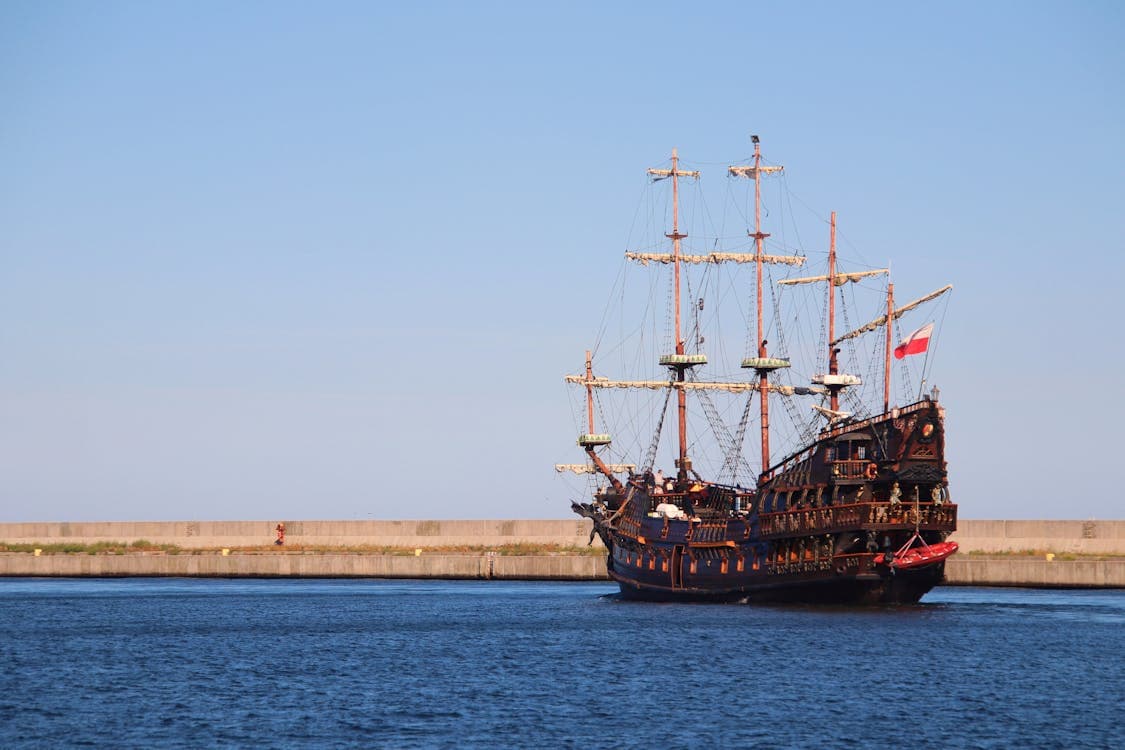
Galleons were large, multi-decked sailing ships used primarily by European states from the 16th to the 18th centuries. Predominantly used by the Spanish and Portuguese for long ocean voyages, galleons were the backbone of maritime empires and played a crucial role in trans-oceanic conquests and trade.
Characteristics of Galleons:
- Size and Structure: Galleons were typically 500 to 1200 tons in displacement and featured a distinctive square-rigged design with three or more masts.
- Armament: They were heavily armed with cannons placed along the gun deck, making them formidable opponents in naval battles.
- Cargo Capacity: The design also allowed for substantial cargo holds, essential for transporting goods, treasures, and supplies across vast ocean distances.
Shop Boat Steering Equipment Now
Examples of Famous Galleons:
- The San José: Known as the "Holy Grail of Shipwrecks," this Spanish galleon was sunk in 1708 carrying a treasure of gold, silver, and emeralds.
- The Revenge: A notable English galleon commanded by Sir Francis Drake, instrumental in the defeat of the Spanish Armada in 1588.
Frigates: The Swift Beasts of the Sea
Emerging in the mid-17th century, frigates represented a significant evolution in naval warfare. These ships were smaller and faster than galleons and were designed for speed and maneuverability, making them ideal for scouting, escort, and blockade duties.
Characteristics of Frigates:
- Design: Frigates typically featured a single continuous gun deck and were square-rigged on all masts.
- Speed and Agility: Their design prioritized speed to outrun larger ships, making them perfect for delivering messages, intelligence, and rapid troop movements.
- Versatility: They were used in a variety of roles, from patrolling and escorting convoys to raiding and commerce warfare.
Examples of Notable Frigates:
- HMS Victory: Although later classified as a ship of the line, it was initially designed as a frigate and played crucial roles in battles such as the Battle of Trafalgar.
- USS Constitution: Known as "Old Ironsides," this American frigate famously saw action in the War of 1812 and remains afloat to this day as a museum ship.
Impact of Galleons and Frigates on Global Affairs
The introduction and evolution of galleons and frigates had profound impacts on global trade, colonization, and naval warfare:
- Expansion of Empires: Galleons enabled European powers to establish and maintain vast overseas colonies and trade networks.
- Naval Warfare: The agility and firepower of frigates transformed naval tactics, emphasizing speed and maneuverability.
- Cultural Exchanges: These ships facilitated extensive cultural exchanges, including the spread of goods, ideas, and technologies across continents.
Conclusion
The historic ships like galleons and frigates not only exemplify the technological advancements of their times but also highlight the strategic importance of naval power in global history. Their legacy continues to inspire and inform modern naval architecture and maritime strategy.
For those interested in exploring more about historic ships or seeking expert insights into maritime history, Mavyn offers both AI and human expert services. Whether you want to chat with Mavyn GPT or connect with a human expert, Mavyn is here to help answer your questions and deepen your understanding of maritime history.