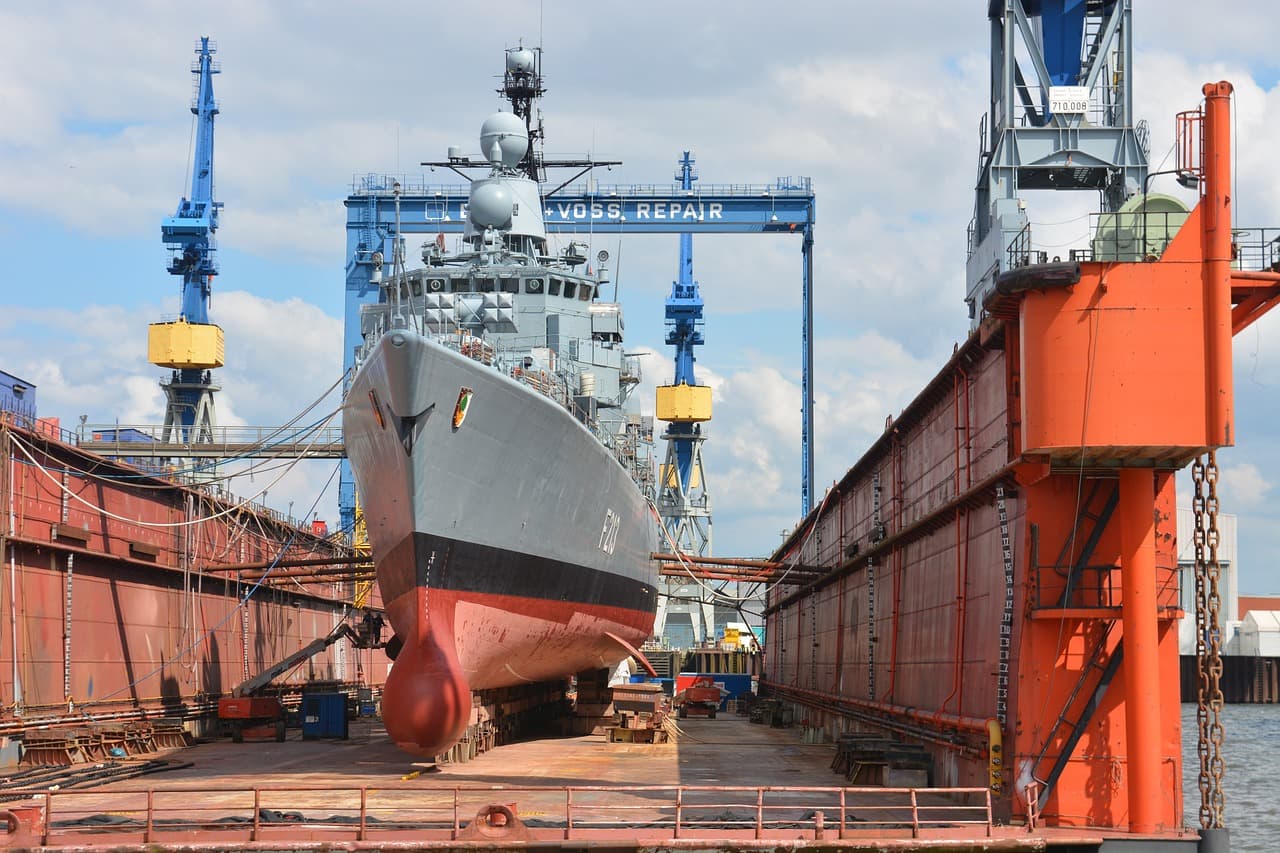
The History and Evolution of American Shipbuilding
The American shipbuilding industry has played a pivotal role in the economic and military development of the United States. From humble beginnings in the colonial period to its status as a global leader in shipbuilding technology, the journey of this industry is a testament to American ingenuity and perseverance. This article will explore the key milestones in the history and evolution of American shipbuilding.
Shop Marine Safety & Flotation Devices Now
Colonial Beginnings
The American shipbuilding industry began in the early 17th century when the abundant timber resources in the colonies made them an ideal place for building ships. The first ship built by European settlers in America was the Virginia, constructed in 1607 at the Popham Colony in Maine. This period was characterized by small-scale production, primarily focusing on fishing vessels and small merchant ships.
Key Shipyards:
- Popham Colony, Maine: Site of the first ship built by European settlers.
- Essex, Massachusetts: Became known for its high-quality fishing schooners.
The Golden Age of Sail
During the 19th century, American shipbuilding saw significant growth due to increased demand for maritime trade and military needs. The introduction of the famous Clipper ships in the mid-1800s, which were fast sailing ships, marked a golden era. These ships were crucial during the California Gold Rush and for tea trade from China.
Notable Developments:
- Clipper Ships: Revolutionized fast maritime travel.
- Naval Expansion: The War of 1812 and Civil War prompted enhancements in military shipbuilding.
Shop Boat Docking & Anchoring Equipment Now
Transition to Steel Ships
The late 19th and early 20th centuries marked a significant transition from wooden ships to steel-hulled ships. This change was driven by the durability and efficiency of steel, coupled with the propulsion advancements from sail to steam. American shipyards began to modernize, and cities like Philadelphia and New York became centers of innovation.
Technological Advancements:
- Ironclad Warships: First used during the Civil War.
- Steam Propulsion: Replaced sails, leading to more reliable and faster ships.
World Wars and Mass Production
World War I and II were transformative periods for American shipbuilding. The industry scaled dramatically to meet the wartime demands. The introduction of assembly line techniques, especially during WWII, led to the mass production of ships. The Liberty and Victory ships are prime examples of this era's efficiency.
Shop Boat Trailer Parts & Accessories Now
Key Contributions:
- Liberty Ships: Over 2,700 built, crucial in WWII logistics.
- Victory Ships: Improved version of Liberty ships, faster and more durable.
Modern Shipbuilding
Post-WWII, the focus shifted towards more specialized and technologically advanced ships, including aircraft carriers, submarines, and LNG carriers. Innovations such as nuclear propulsion and the use of digital design tools have kept the American shipbuilding industry at the forefront.
Innovations:
- Nuclear-Powered Vessels: Used primarily by the U.S. Navy.
- Digital Shipbuilding: Computer-aided design and manufacturing processes.
Conclusion
The American shipbuilding industry's evolution from wooden ships to advanced steel vessels highlights its adaptability and technological prowess. Today, despite global competition, the United States remains a leader in producing innovative and high-quality ships for both military and commercial use.
For those interested in exploring more about the American shipbuilding industry or seeking expert insights, Mavyn offers both AI and human expert services. Whether you want to chat with Mavyn GPT or connect with a human expert, Mavyn is here to answer your questions and provide detailed information tailored to your needs.