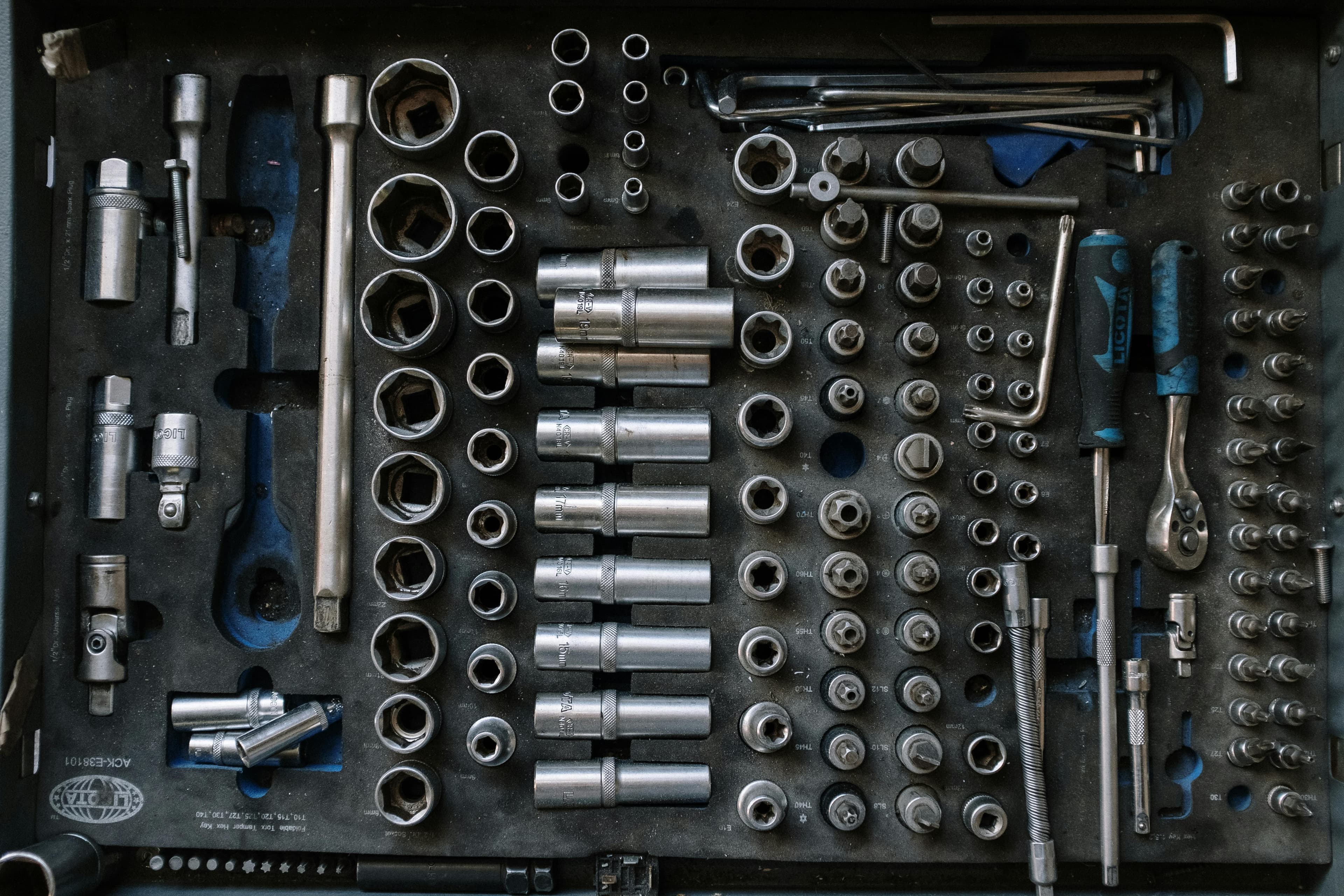
Setting up a home garage workshop can be an exciting venture for DIY enthusiasts, hobbyists, and even professionals looking for a personal space to work on projects. Whether you're repairing your vehicle, building furniture, or engaging in any form of creative or repair work, having the right tools and equipment is crucial. This guide will walk you through the essential tools and equipment you need to create a practical and efficient home garage workshop.
Basic Hand Tools
1. Screwdrivers: A set of screwdrivers of various sizes and types (flathead and Phillips) is indispensable for any workshop.
2. Hammers: A claw hammer for driving nails and a rubber mallet for more delicate surfaces that you don't want to damage.
3. Wrenches: Adjustable wrenches, combination wrenches, and a set of Allen keys (hex keys) are essential for dealing with nuts and bolts.
4. Pliers: Needle-nose pliers, slip-joint pliers, and locking pliers (vice grips) should cover most of your needs.
5. Measuring Tools: A high-quality tape measure, a ruler, and a level are crucial for precision in any project.
Power Tools
1. Drill: A cordless drill/driver is incredibly versatile for drilling holes and driving screws. Consider investing in a set of drill bits for various materials.
2. Circular Saw: For cutting wood, plastic, or metal, a circular saw is a must-have. It's ideal for straight cuts.
3. Jigsaw: For more intricate cutting work, such as curves or patterns, a jigsaw is the tool for the job.
4. Sander: A power sander (orbital or belt) can save you a lot of time and effort in preparing surfaces for painting or finishing.
5. Air Compressor: An air compressor can power a variety of tools, such as nail guns and impact wrenches, and is also useful for inflating tires.
Workshop Equipment
1. Workbench: A sturdy workbench is the heart of any workshop. Consider one with built-in storage for keeping tools organized.
2. Lighting: Good lighting is essential. LED shop lights or adjustable work lights can help illuminate your projects without casting shadows.
3. Storage Solutions: Tool chests, pegboards, and shelving units will help keep your tools and materials organized and easily accessible.
4. Safety Gear: Safety should always be a priority. Ensure you have protective eyewear, gloves, ear protection, and a first aid kit.
5. Vice: A bench vice is invaluable for holding workpieces steady while you work on them.
Advanced Equipment (Optional)
For those looking to expand their capabilities, consider investing in:
- Table Saw: For precise wood cuts and larger projects.
- Welding Equipment: For metalworking projects.
- Air Filtration System: To keep the air in your workshop clean, especially important if you're working with wood or chemicals.
Conclusion
Setting up your home garage workshop with the right tools and equipment will make your DIY projects more enjoyable and efficient. Start with the basics and gradually build up your collection as your skills and interests grow. Remember, safety comes first, so always use tools and equipment according to the manufacturer's instructions and wear appropriate safety gear. Happy DIY-ing!