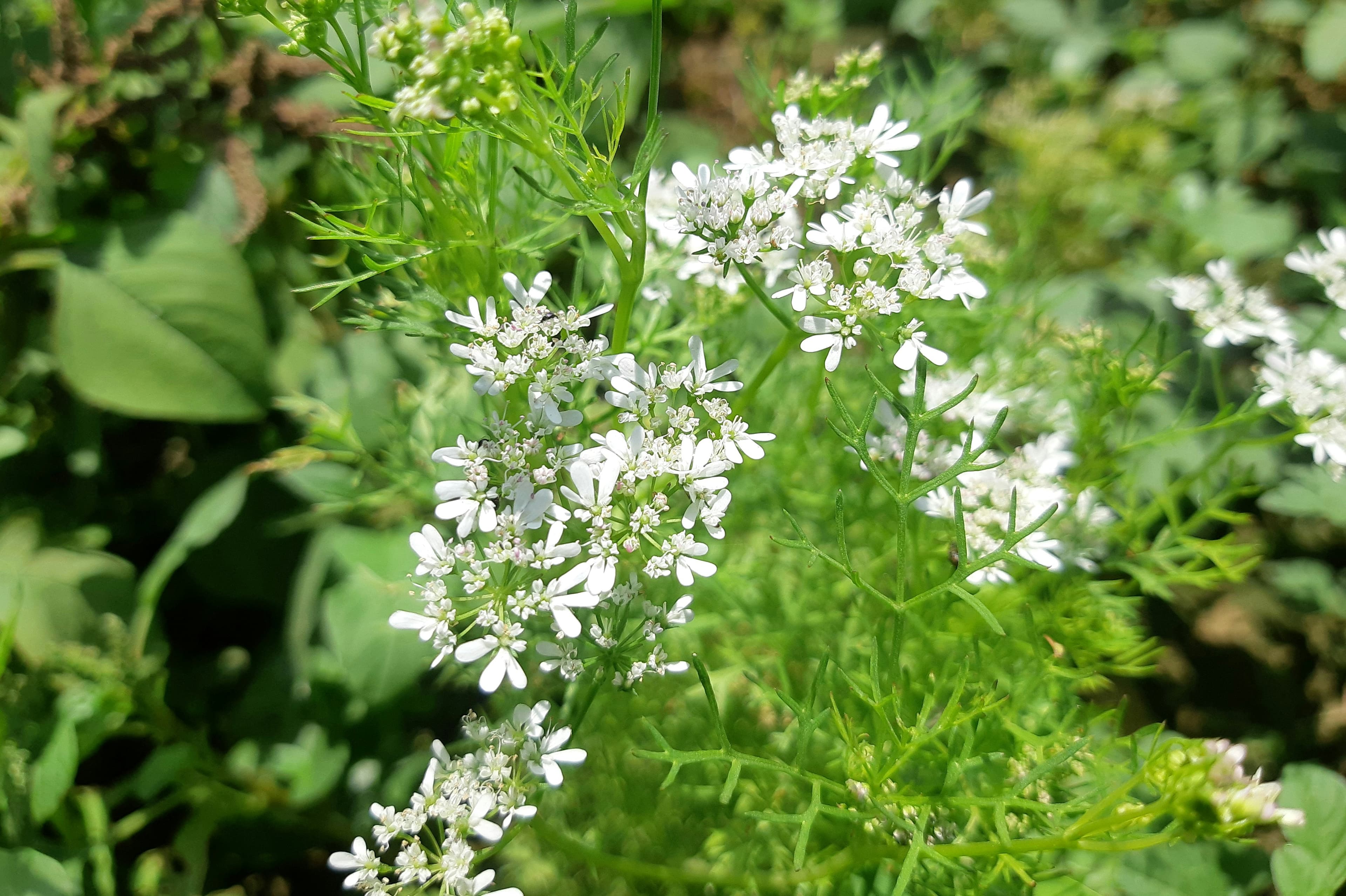
Essential Tips for Growing Healthy Cilantro
Cilantro, also known as coriander, is a popular herb cherished for its fresh leaves and aromatic seeds. It's a staple in culinary traditions around the world, from Mexican salsas to Indian chutneys. Growing cilantro at home can be rewarding, providing fresh herbs right from your garden or windowsill. Here’s a comprehensive guide to help you cultivate healthy cilantro plants.
Choosing the Right Variety
There are several varieties of cilantro available, each with its own unique characteristics. Some common varieties include:
- Leisure: Known for its slow bolting, making it ideal for longer harvesting.
- Jantar: Resistant to bolting and well-suited for warmer climates.
- Calypso: Another slow-bolting variety that is great for continuous cutting.
Select a variety that suits your climate and culinary needs.
Planting Cilantro
Best Time to Plant
Cilantro thrives in cooler temperatures. The best times to plant are:
- Spring: As soon as all dangers of frost have passed.
- Fall: A few weeks before the first expected frost.
Soil Preparation
Cilantro prefers well-draining soil with a pH between 6.5 and 7.5. Enrich the soil with compost or well-rotted manure before planting to ensure healthy growth.
Planting Seeds
- Direct Sowing: Plant seeds 1/4 inch deep and space them about 6-8 inches apart.
- Germination: Seeds should sprout within 7-10 days.
Caring for Cilantro
Watering
Cilantro needs regular watering to keep the soil moist but not soggy. Water at the base of the plant to avoid wetting the foliage, which can lead to fungal diseases.
Sunlight
Cilantro does best with about 4-6 hours of sunlight per day. In hotter climates, provide some shade to prevent the plant from bolting too quickly.
Fertilizing
Feed cilantro plants with a balanced, water-soluble fertilizer every 4-6 weeks to support lush leaf production.
Pest and Disease Management
Cilantro can attract pests like aphids and whiteflies. Use insecticidal soap or neem oil to control these pests. Keep an eye out for common diseases like leaf spot and root rot, which can be mitigated by proper spacing and air circulation around the plants.
Harvesting Cilantro
Cilantro leaves can be harvested once the plant is 6 inches tall. Cut the outer leaves first, allowing the inner leaves to continue growing. For coriander seeds, allow the flowers to bloom and set seeds. Harvest the seeds when they turn brown.
Using Cilantro
Fresh cilantro leaves are best used immediately but can be stored in the refrigerator for a few days. Coriander seeds can be dried and stored in an airtight container.
Growing cilantro at home is simple and rewarding. With these tips, you can enjoy a steady supply of fresh cilantro to enhance your meals. Whether you're making a zesty salsa or a flavorful curry, fresh cilantro can make all the difference.
For more detailed guidance on growing cilantro or other herbs, connect with a gardening expert through Mavyn. Our platform offers both AI and human expert services to answer all your gardening queries. Happy planting!