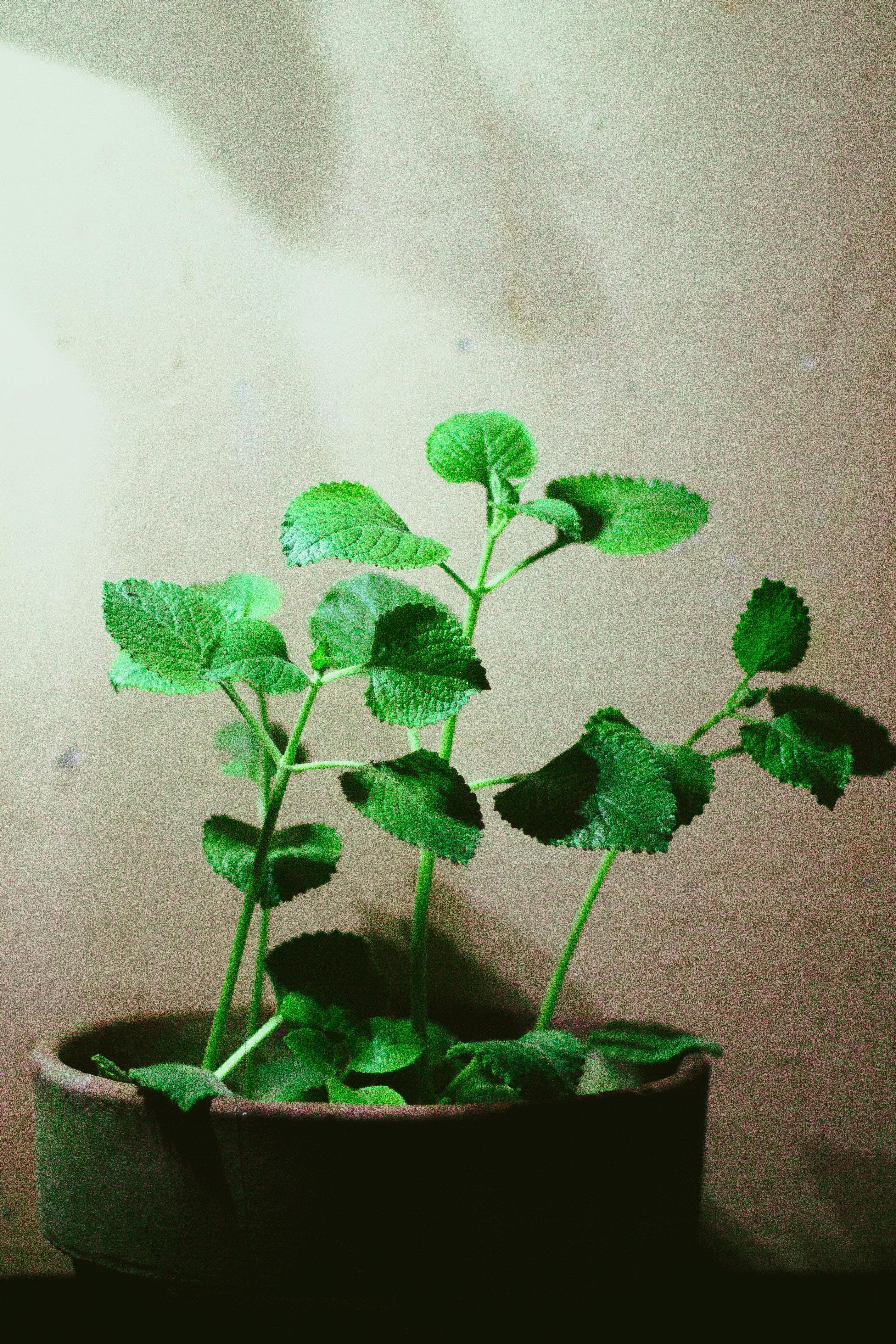
Essential Oregano Planting Tips for Beginners
Oregano is a popular herb known for its robust flavor and ease of cultivation, making it a favorite among both culinary professionals and gardening enthusiasts. Whether you're looking to spice up your dishes or simply add to your garden, growing oregano can be a rewarding endeavor. Here’s a detailed guide on how to plant and care for oregano, brought to you by Mavyn, where you can always seek further advice from our AI or human experts.
Choosing the Right Variety
Oregano comes in several varieties, each with its own unique flavor and growth habits. The most commonly grown types are:
- Greek Oregano (Origanum vulgare var. hirtum): Known for its strong, spicy flavor, this is the classic choice for Greek and Italian dishes.
- Italian Oregano (Origanum x majoricum): A milder option, this hybrid combines the flavors of oregano and marjoram.
- Golden Oregano (Origanum vulgare 'Aureum'): Not only flavorful but also visually appealing with its golden-colored leaves.
Selecting a Planting Site
Oregano thrives in full sun and well-drained soil. When choosing a location, consider these factors:
- Sunlight: Aim for a spot that receives at least 6-8 hours of direct sunlight daily.
- Soil Quality: Oregano prefers a sandy loam soil with a pH between 6.0 and 8.0. Ensure good drainage as the plant is susceptible to root rot in soggy soil.
Planting Oregano
You can start oregano from seeds, cuttings, or transplants. Here’s how to plant each:
From Seeds:
- Sow seeds indoors: Start seeds indoors 6-8 weeks before the last frost date. Use a seed starting mix and place seeds on the surface, pressing them lightly into the soil.
- Transplant seedlings: Once all danger of frost has passed and seedlings have grown strong, transplant them outdoors, spacing them about 8-10 inches apart.
From Cuttings:
- Cut a stem: In late spring or early summer, cut a 4-6 inch stem from an existing oregano plant.
- Root the cutting: Remove the leaves from the bottom half of the stem and place it in water or directly into soil.
- Transplant: Once roots develop, plant the cutting in your garden.
From Transplants:
- Prepare the soil: Loosen the soil and mix in some compost to provide nutrients.
- Plant: Dig a hole slightly larger than the root ball of your transplant. Place the plant in the hole and fill it with soil. Water thoroughly.
Caring for Oregano
Once established, oregano requires minimal care. Here are some tips to keep your plants healthy:
- Watering: Water oregano deeply but infrequently, allowing the soil to dry out between waterings.
- Fertilizing: Feed with a balanced, all-purpose fertilizer in the spring.
- Pruning: Regular pruning not only helps maintain an attractive shape but also encourages fuller growth. Trim back oregano plants in early spring and after flowering.
- Harvesting: Harvest oregano leaves as needed. For the best flavor, pick leaves just before the plant flowers.
Common Pests and Problems
Oregano is relatively hardy but can occasionally suffer from issues like:
- Spider mites and aphids: These pests can be controlled with insecticidal soap or neem oil.
- Root rot: Avoid overwatering and ensure good soil drainage to prevent this.
By following these tips, you can successfully grow and enjoy oregano in your garden. If you encounter any issues or have further questions, remember that Mavyn offers both AI and human expert help services. Whether you chat with Mavyn GPT or connect with a human expert, we’re here to assist you with your gardening queries.