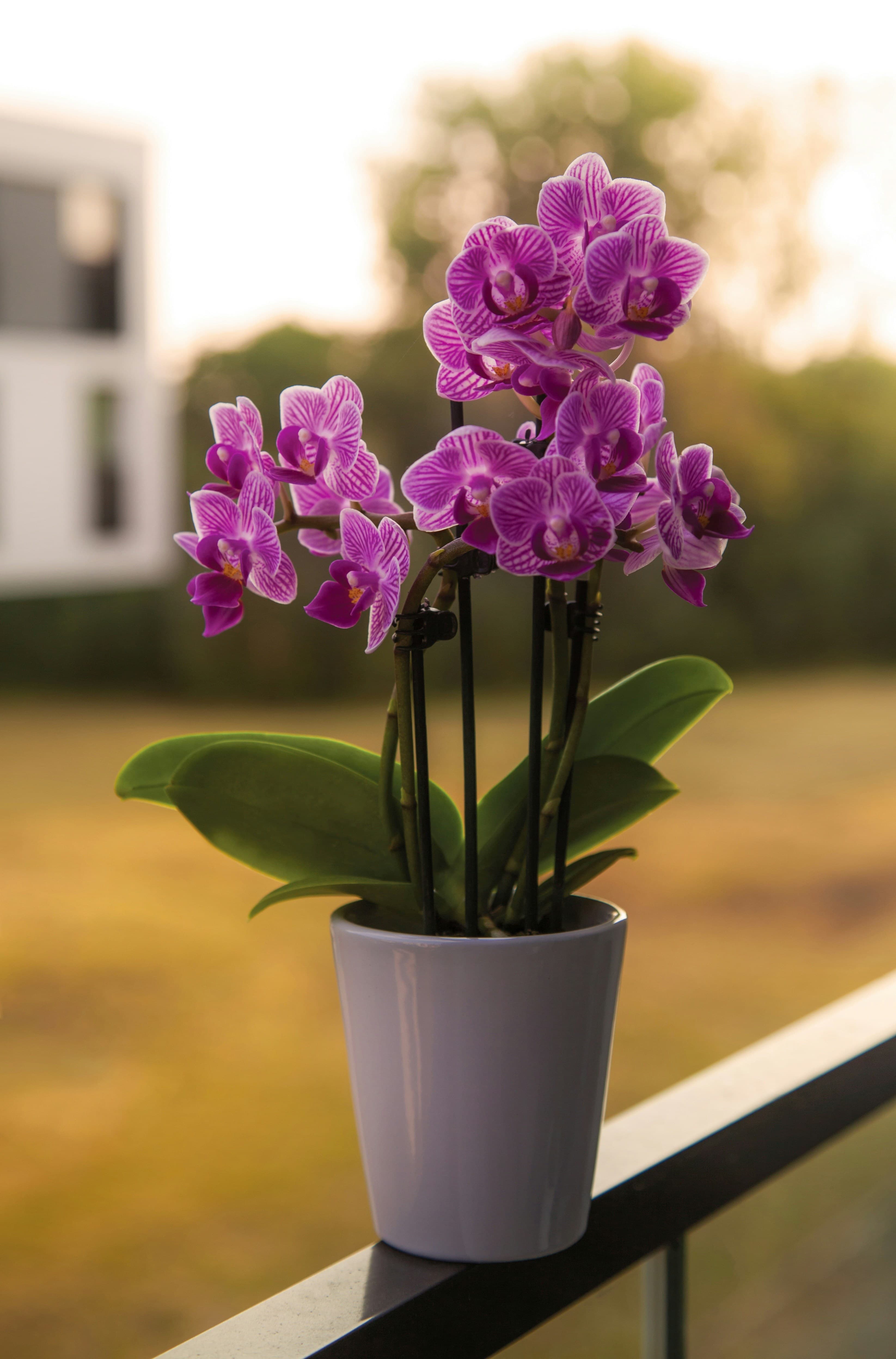
Essential Orchid Maintenance Tips
Orchids are renowned for their delicate beauty and exotic charm, making them a favorite among plant enthusiasts. However, caring for orchids can seem daunting to beginners. Fear not! With a few expert tips, you can keep your orchids thriving. Whether you're consulting Mavyn GPT or our human experts, we're here to help you master the art of orchid maintenance.
1. Understanding Your Orchid
Before diving into care routines, identify your orchid species. The most common type is the Phalaenopsis orchid, known for its long-lasting flowers. Each species has slightly different care requirements.
2. Proper Lighting
Orchids generally thrive in moderate conditions – think bright, indirect sunlight. A few pointers include:
- East-facing windows are ideal for most orchids.
- Sheer curtains can help diffuse direct sunlight, preventing burns on the delicate petals.
- Artificial lighting can substitute natural light, especially in winter months. Fluorescent lights placed a few inches above the plants can be very effective.
3. Watering Wisely
Overwatering is a common mistake. Here’s how to water your orchids properly:
- Check the potting medium before watering. It should be dry an inch deep before you water again.
- Water in the morning. This allows excess moisture to evaporate through the day, reducing the risk of root rot.
- Use lukewarm water. Cold water can shock the roots, while hot water can damage them.
4. Humidity and Temperature
Orchids enjoy a humid environment with the following considerations:
- Maintain 40-70% humidity. Use a humidity tray or a small room humidifier to achieve this.
- Keep temperatures between 65-75°F (18-24°C) during the day and slightly cooler at night. This temperature variation can help trigger blooming.
5. Feeding Your Orchid
Fertilize your orchid every other week during the growing season and once a month during the winter. Use a balanced, water-soluble fertilizer, diluted to half the strength recommended on the package.
6. Repotting
Repot your orchid every two to three years or when the potting medium starts to decompose. This is crucial for maintaining a healthy root system. Use an orchid-specific potting mix and a pot that allows for good drainage.
7. Regular Checks for Pests and Diseases
Inspect your orchids regularly for signs of pests or disease. Common issues include aphids, spider mites, and fungal infections. Early detection and treatment are key to managing these problems.
Shop Plant Indoor Pesticide Now
8. Expert Help from Mavyn
If you're unsure about any aspect of orchid care or encounter a problem, Mavyn is here to help. Chat with Mavyn GPT for instant guidance or connect with one of our human experts for personalized advice.
Caring for orchids can be a rewarding experience, offering a stunning display of flowers when their needs are met. With these tips, even a beginner can enjoy the beauty of thriving orchids in their home.
Remember, whether you're a seasoned gardener or just starting out, Mavyn's AI and human expert services are here to assist you with all your plant care queries. Happy gardening!